Schlumbergera (Zygocactus) 'Dutch Pink'
Schlumbergera 'Dutch Pink' is a cultivated hybrid in the Cactaceae family, more widely known as a Zygocactus or Christmas Cactus. Its parent species originate from the coastal mountain forests of south-eastern Brazil, where they grow as epiphytes or lithophytes in shaded, humid conditions. In their native habitat, they establish in mossy tree branches or rocky crevices, receiving filtered light, high humidity, and free-draining organic matter as their growing medium.
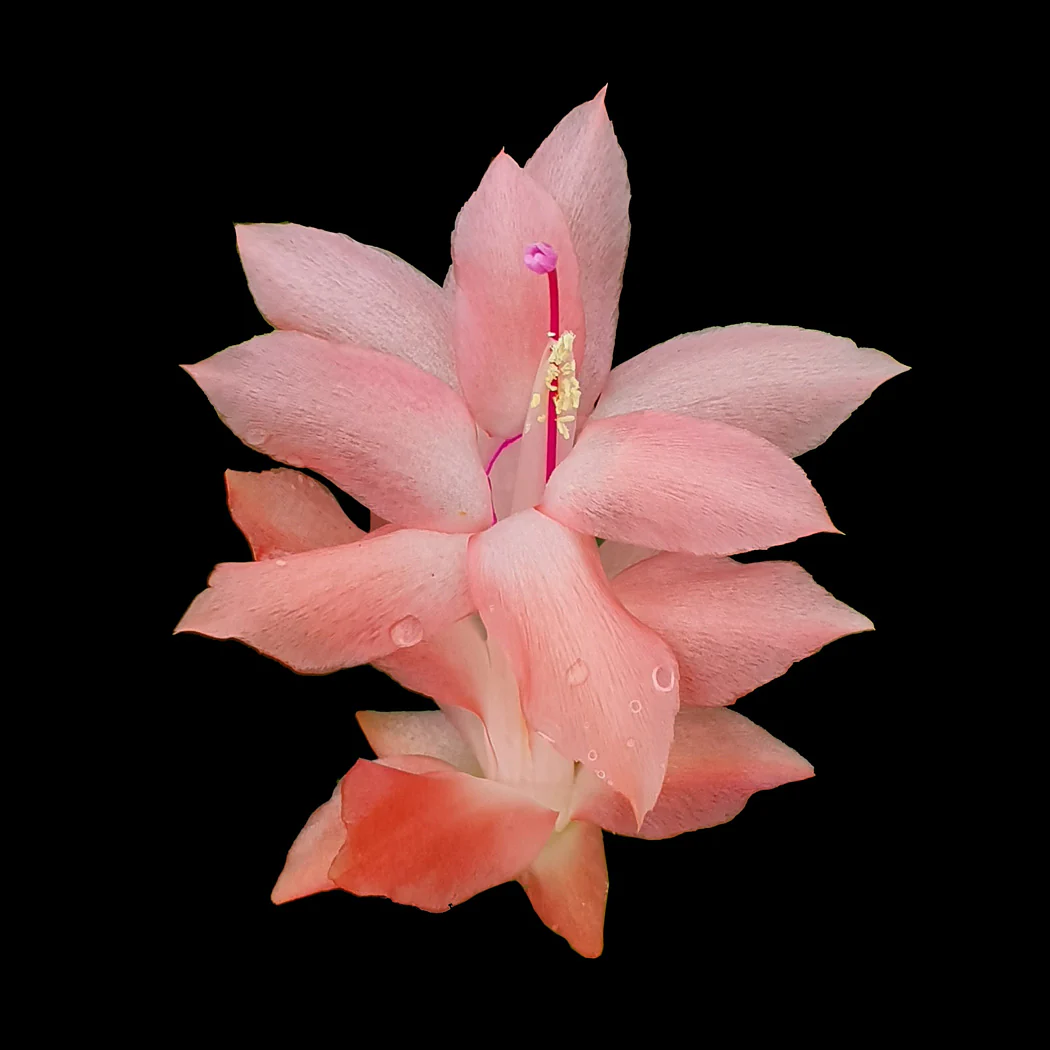
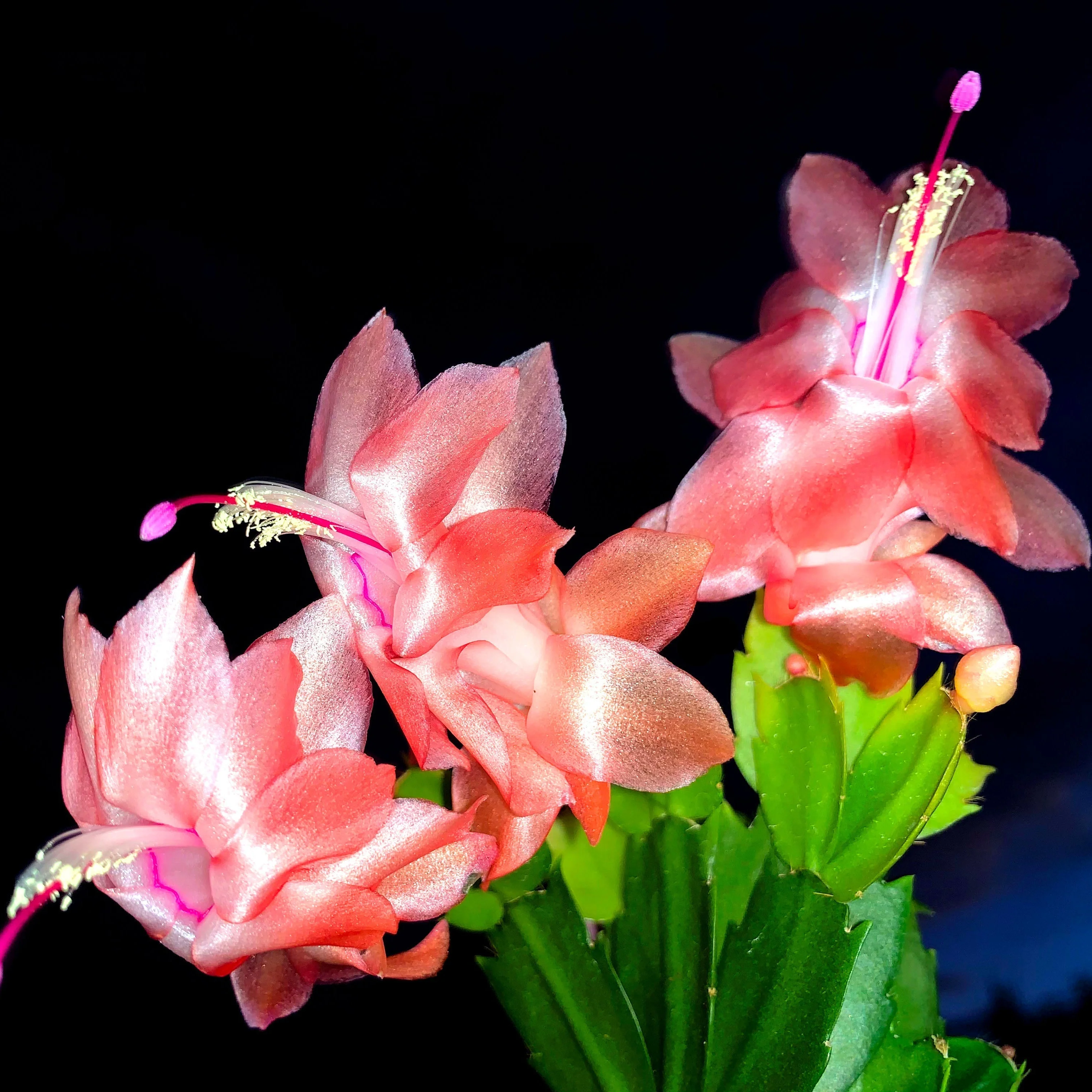
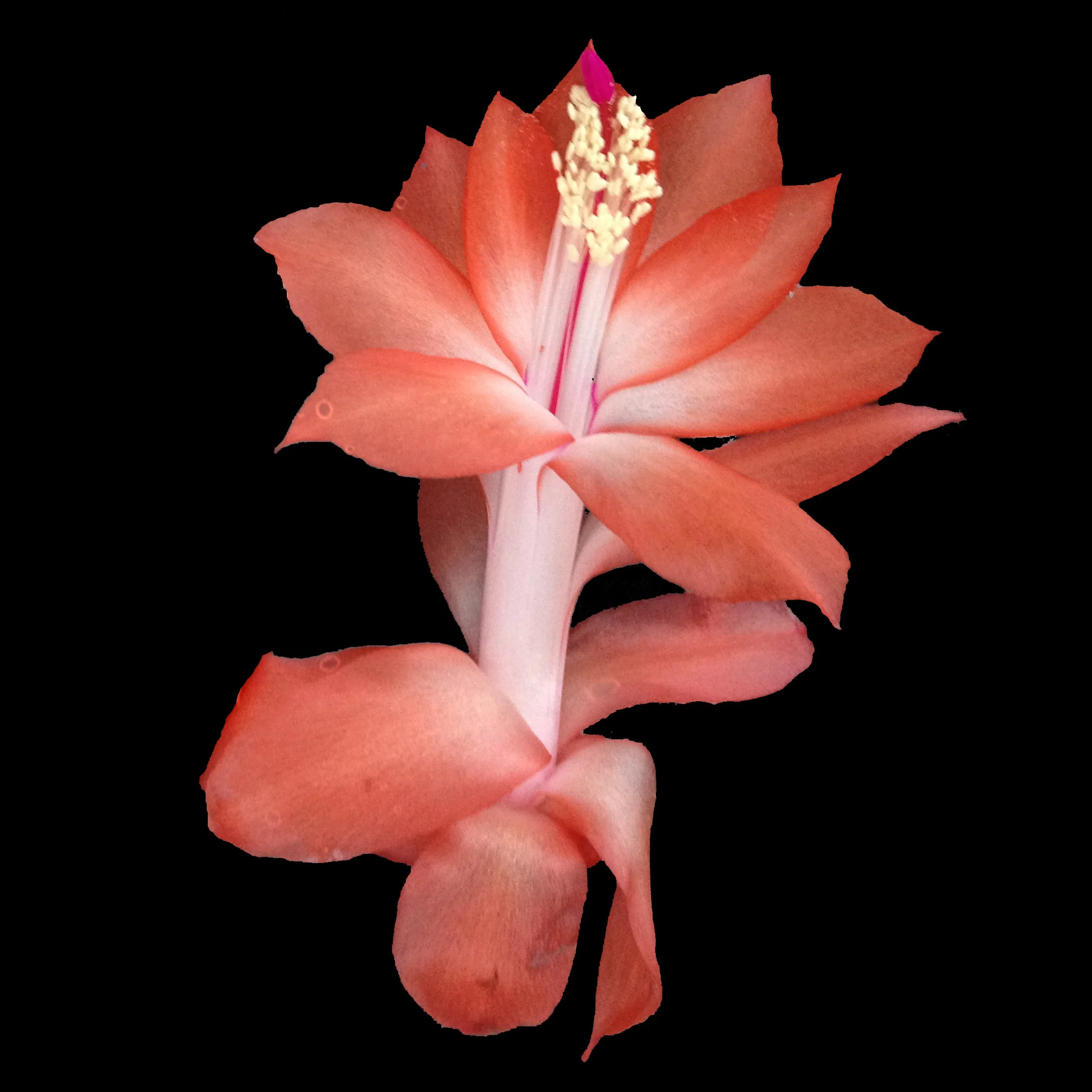
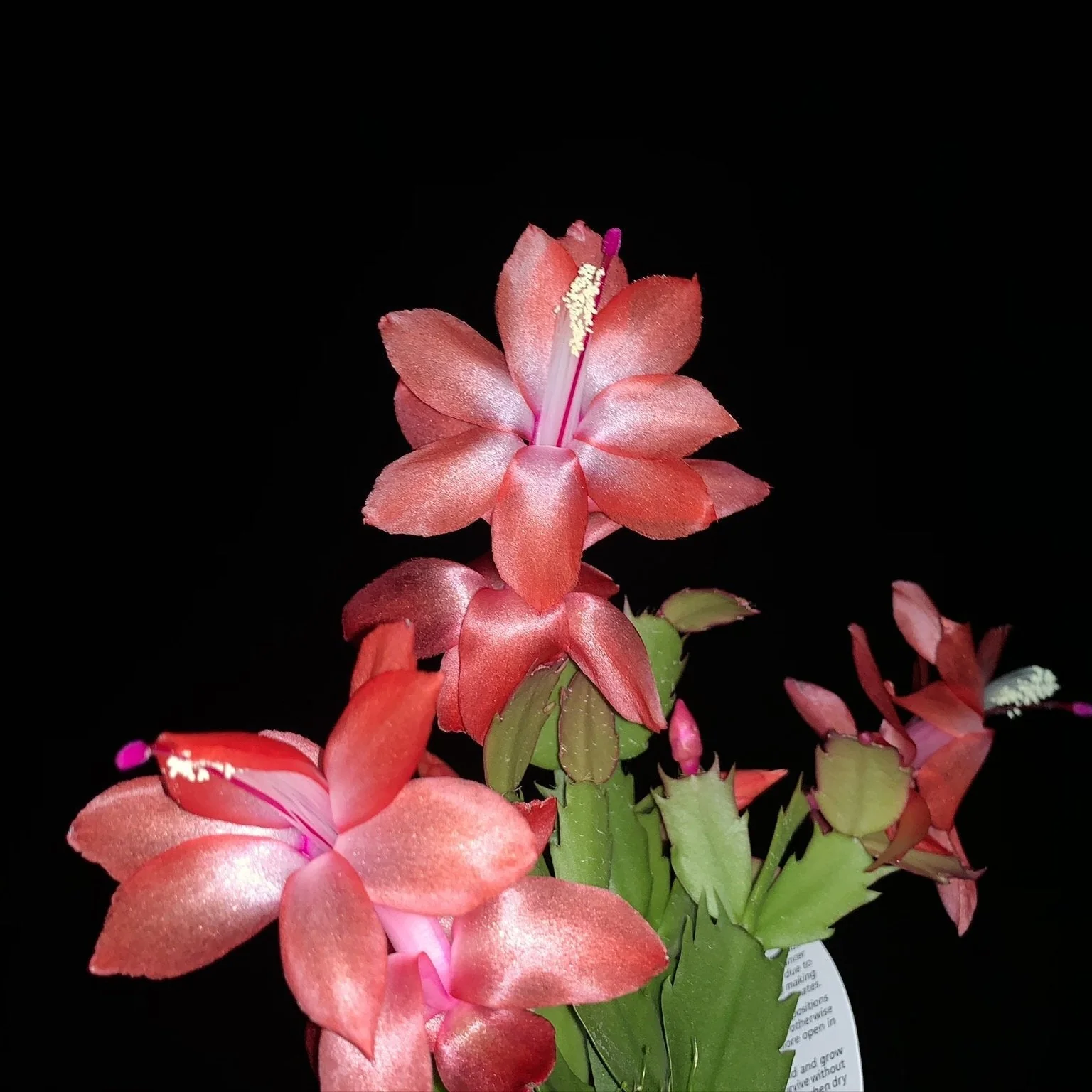
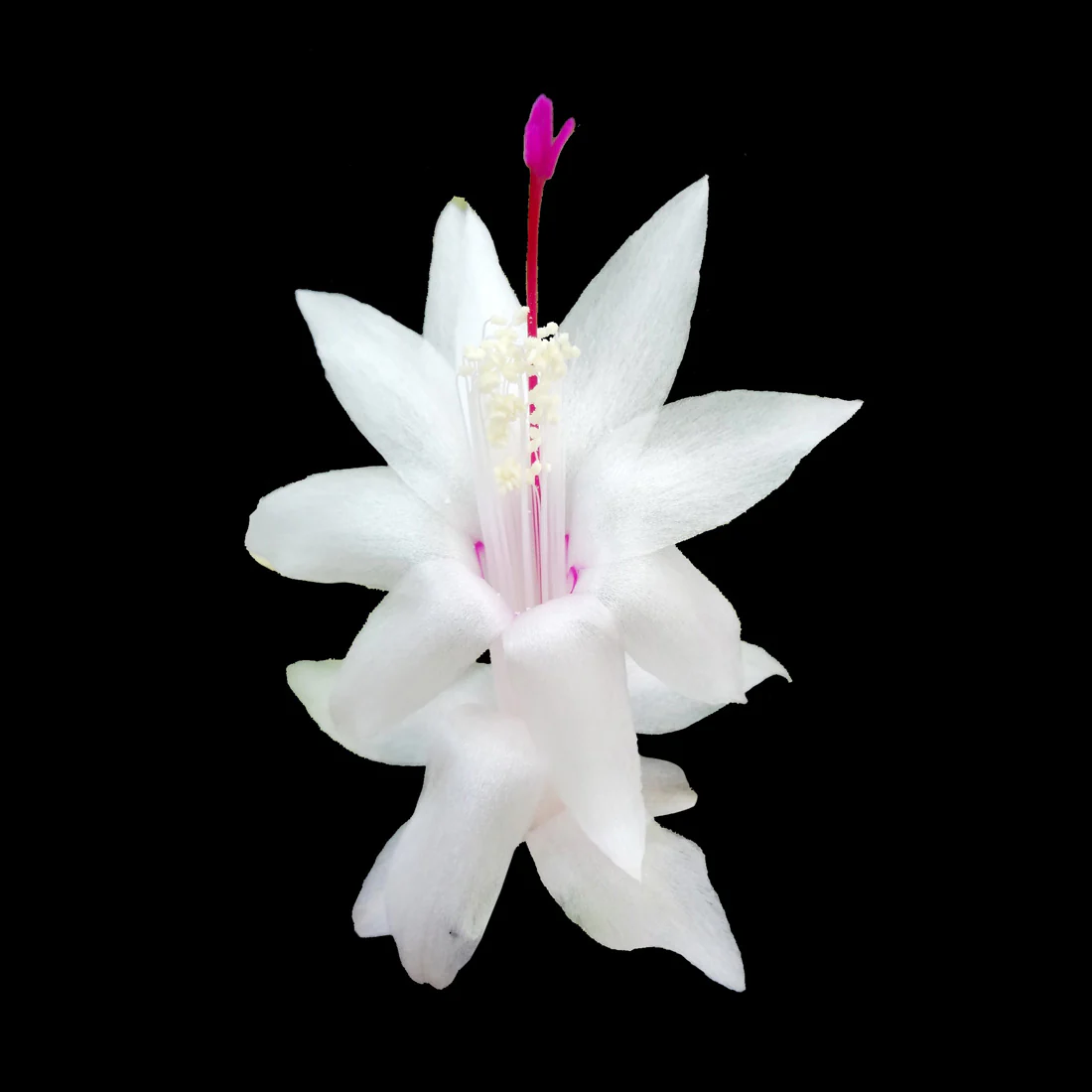
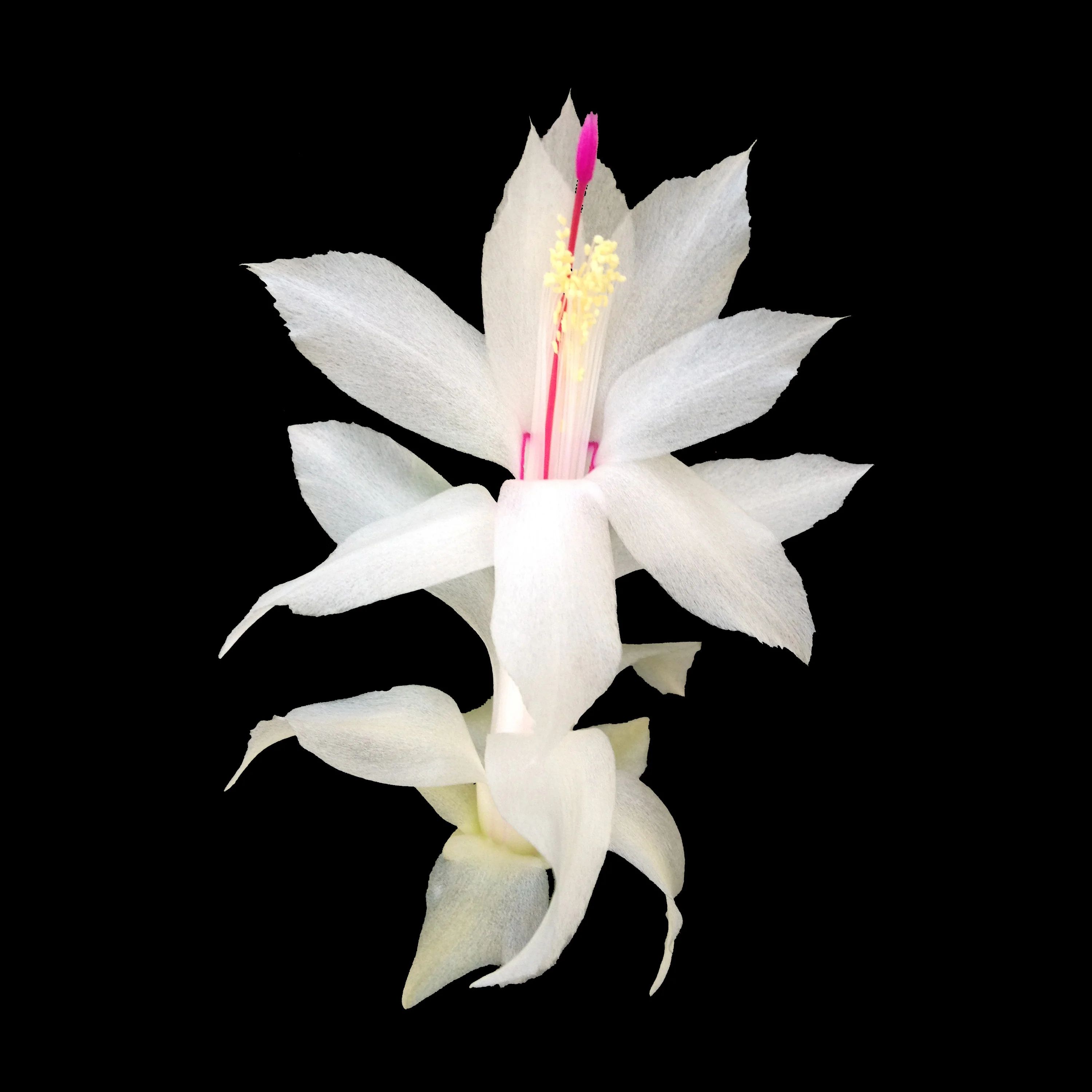
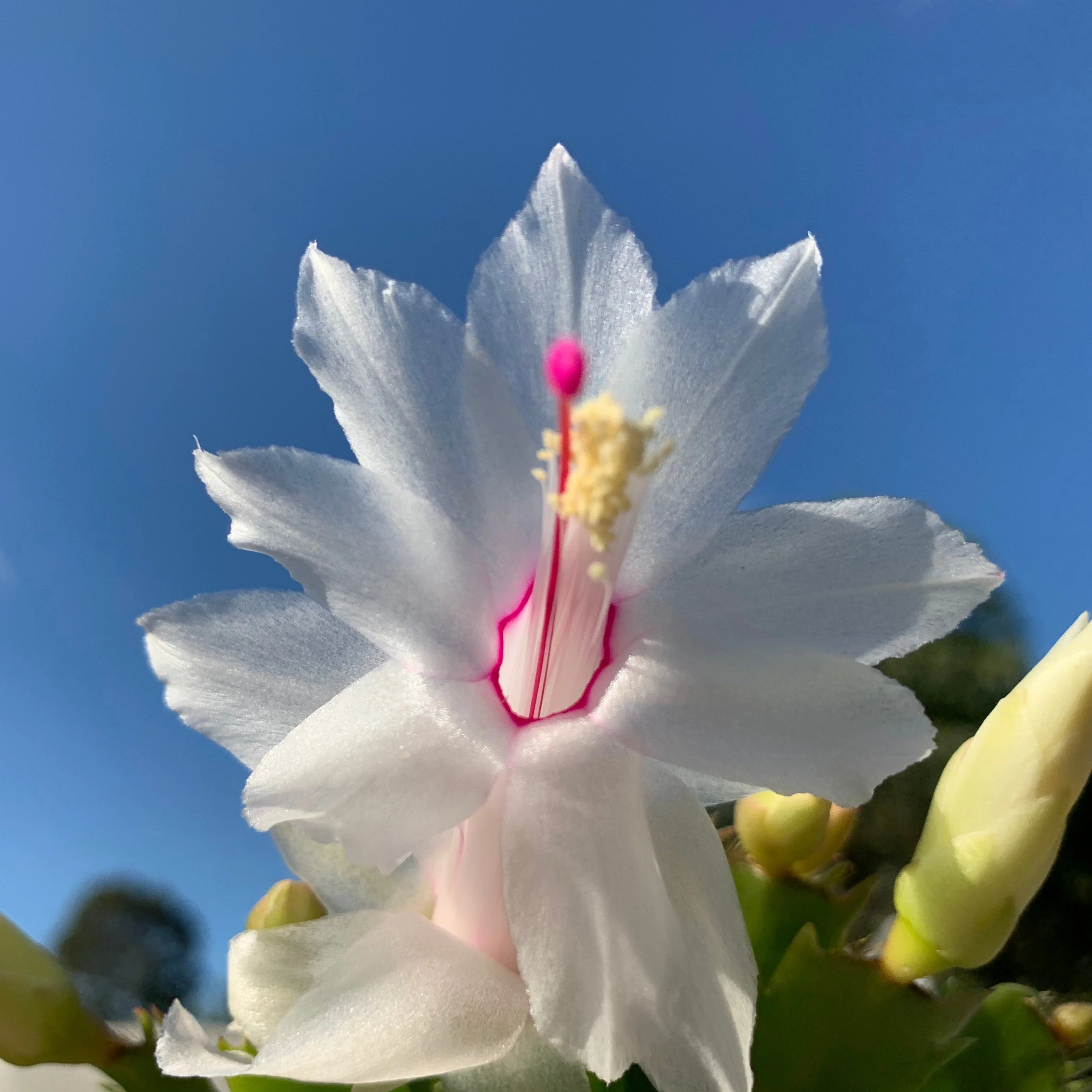
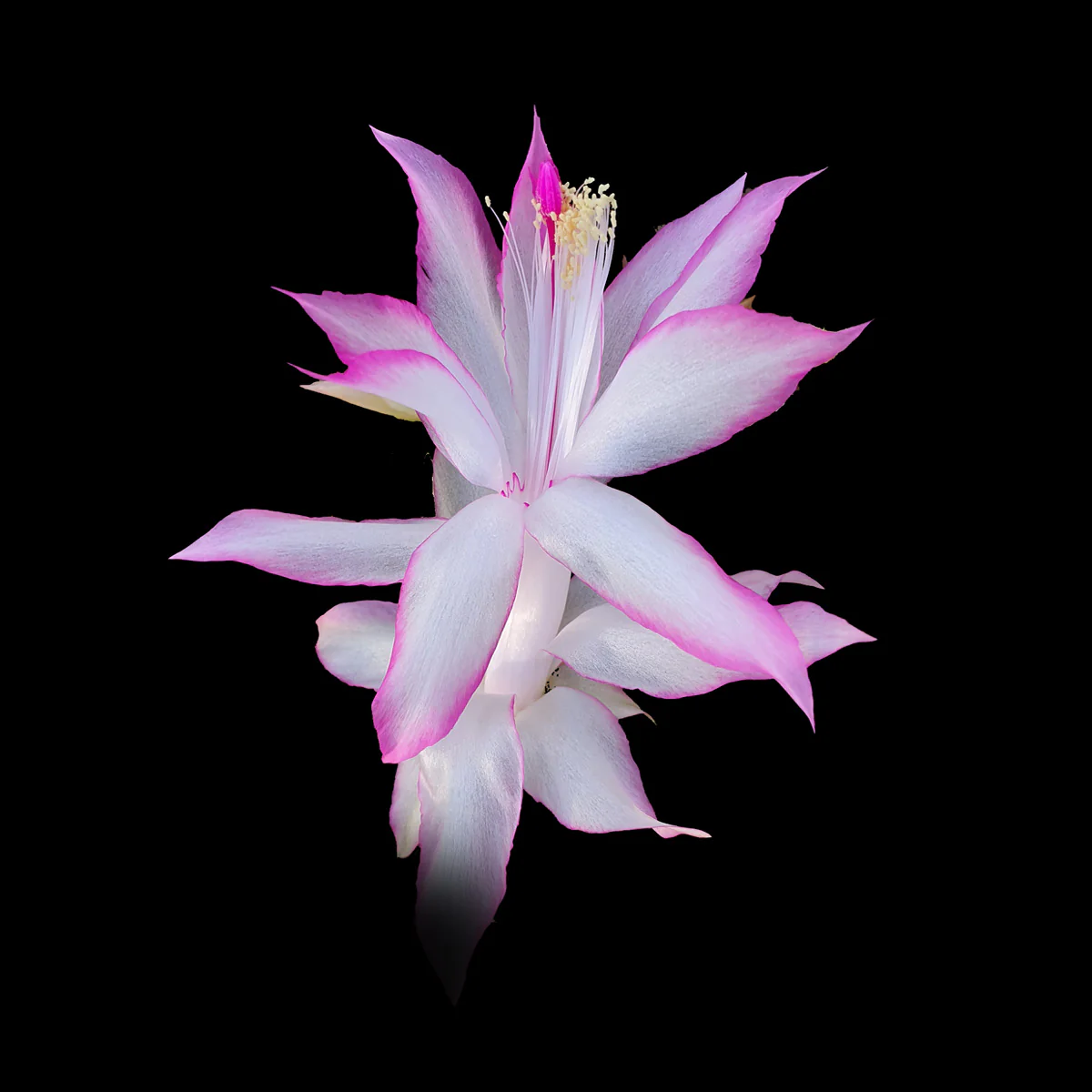
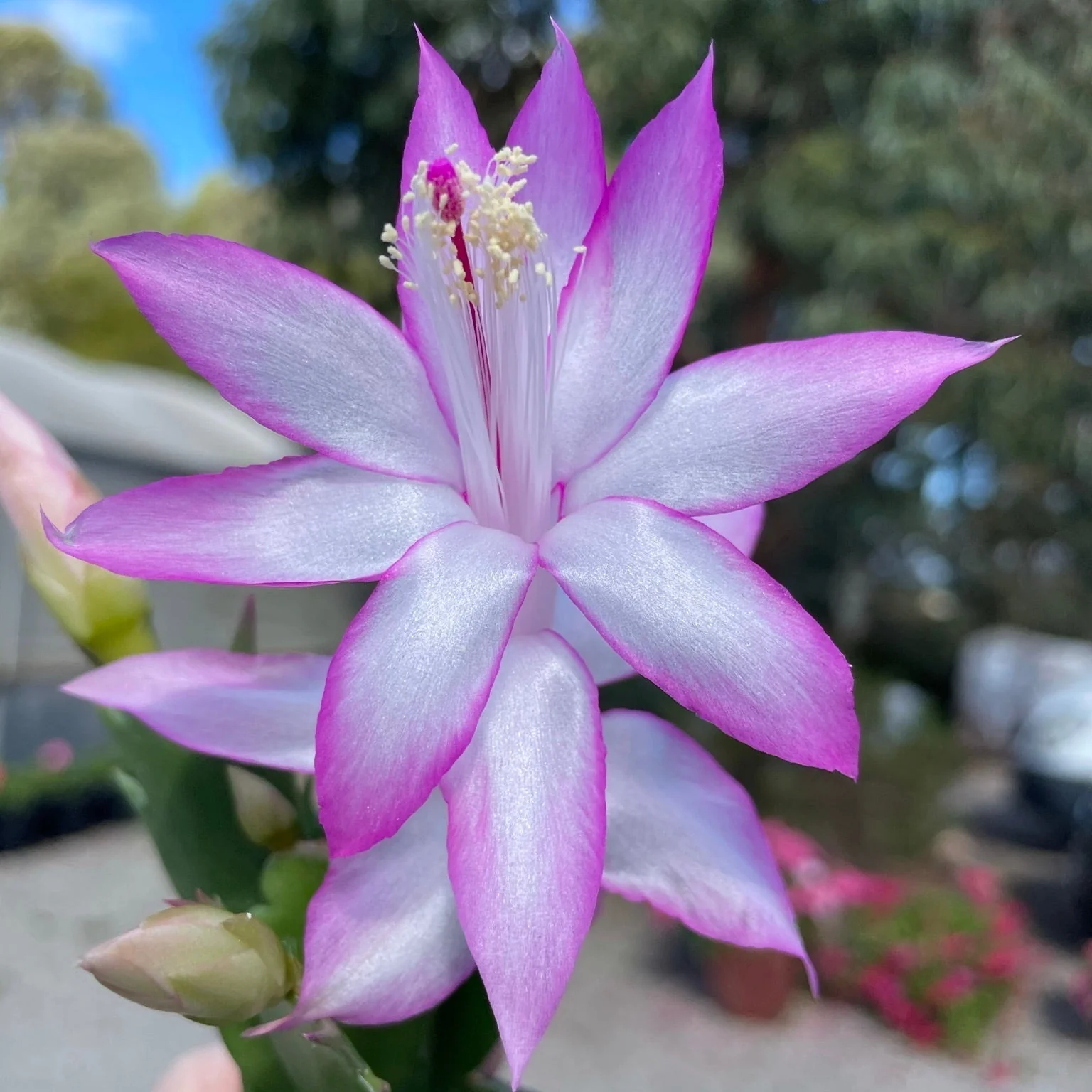
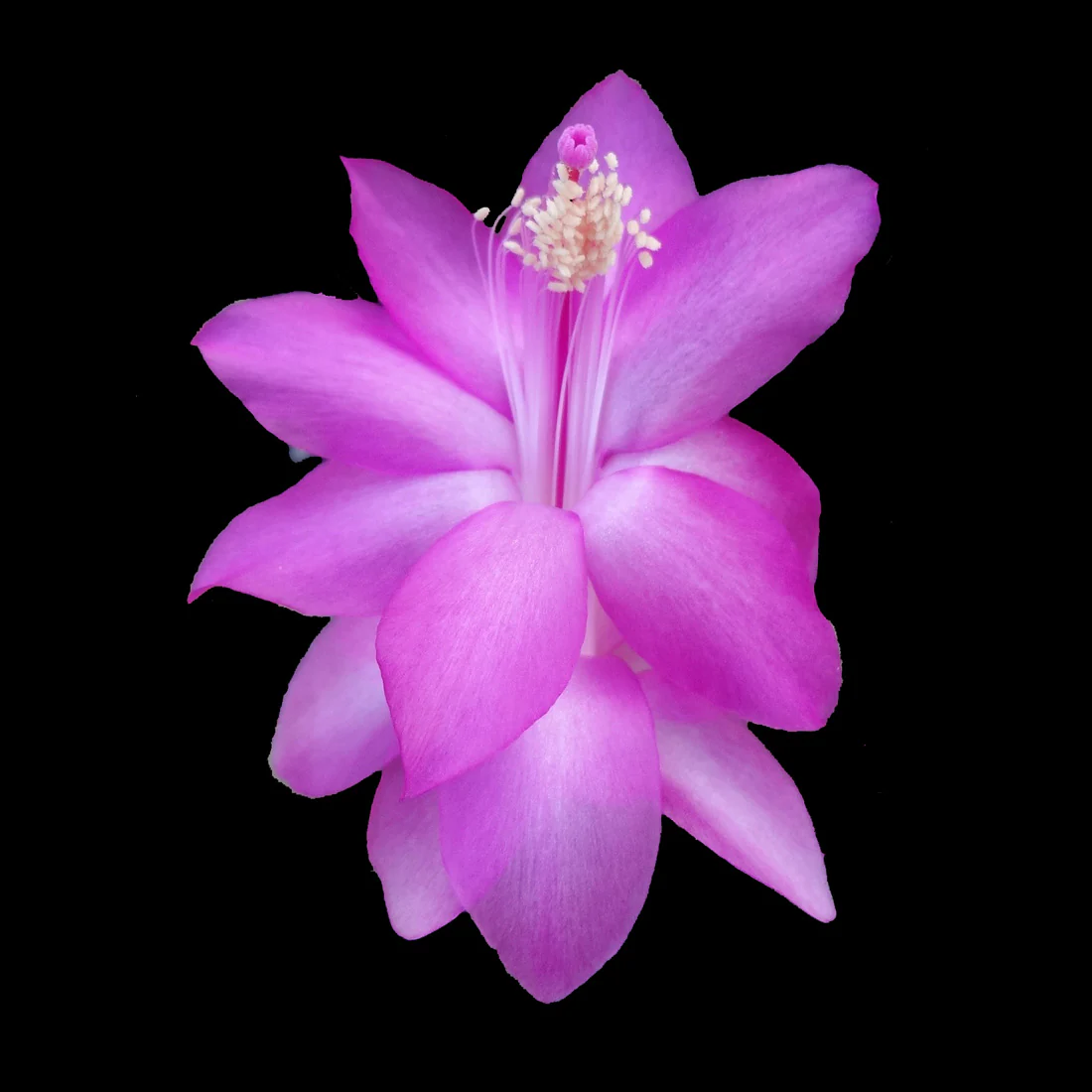
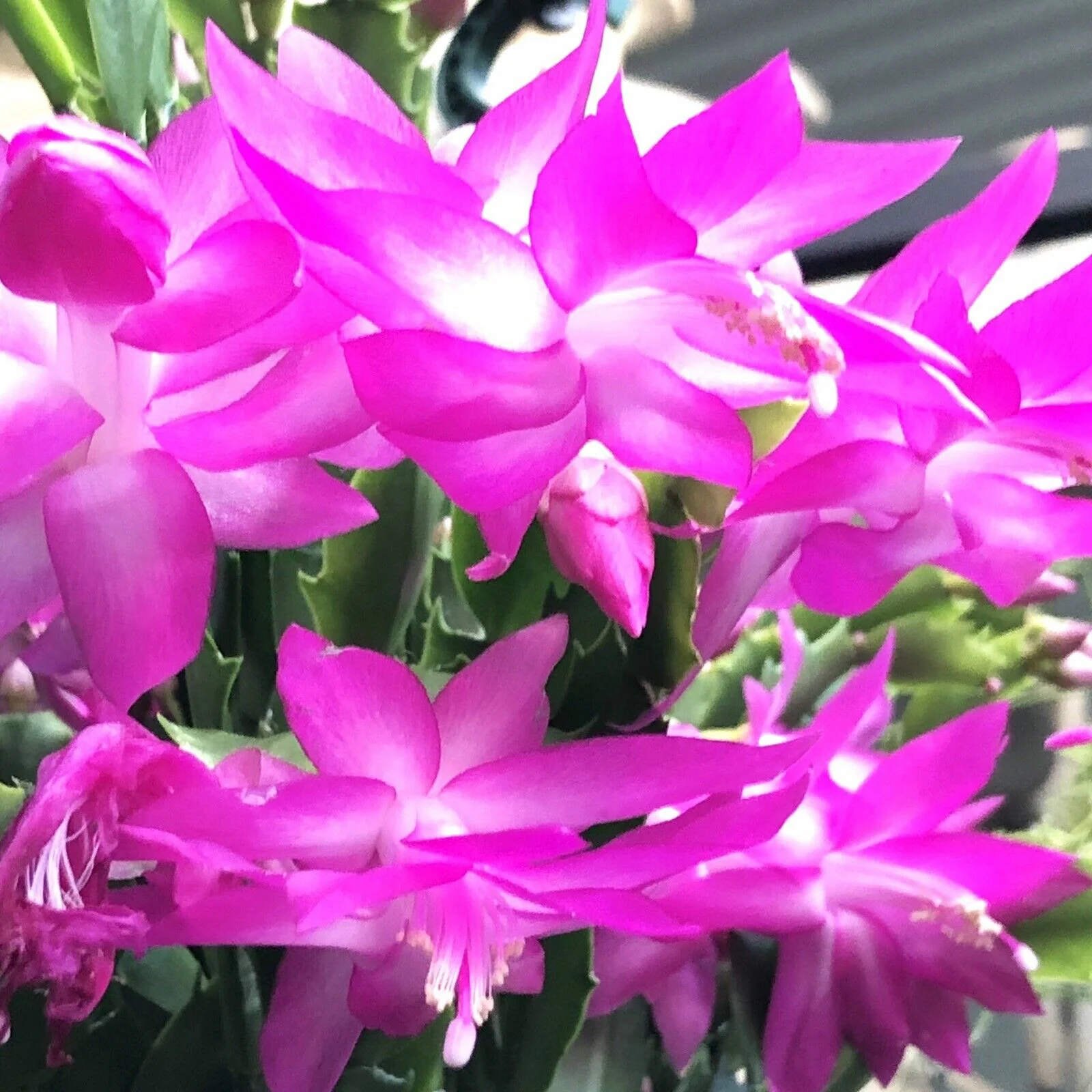
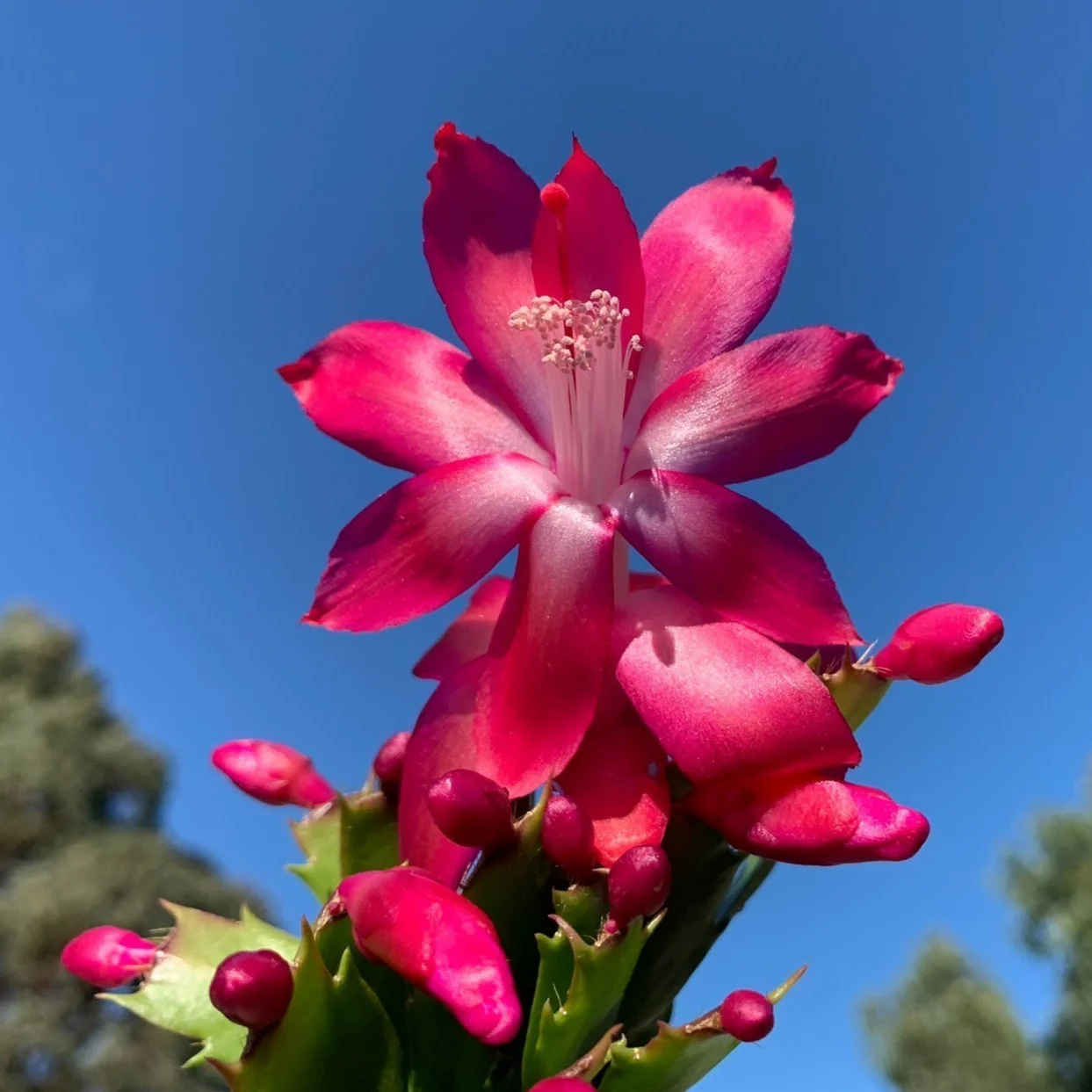
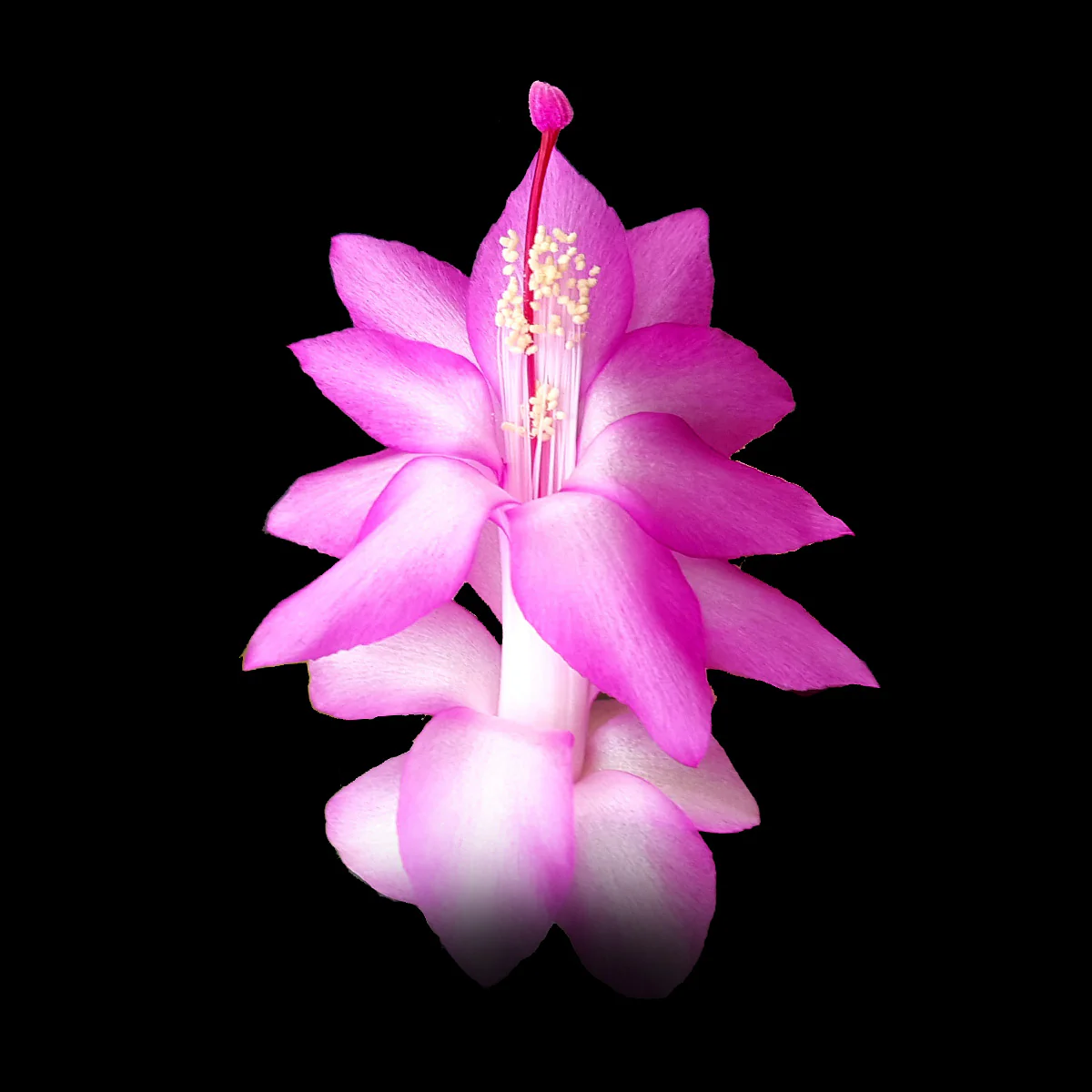
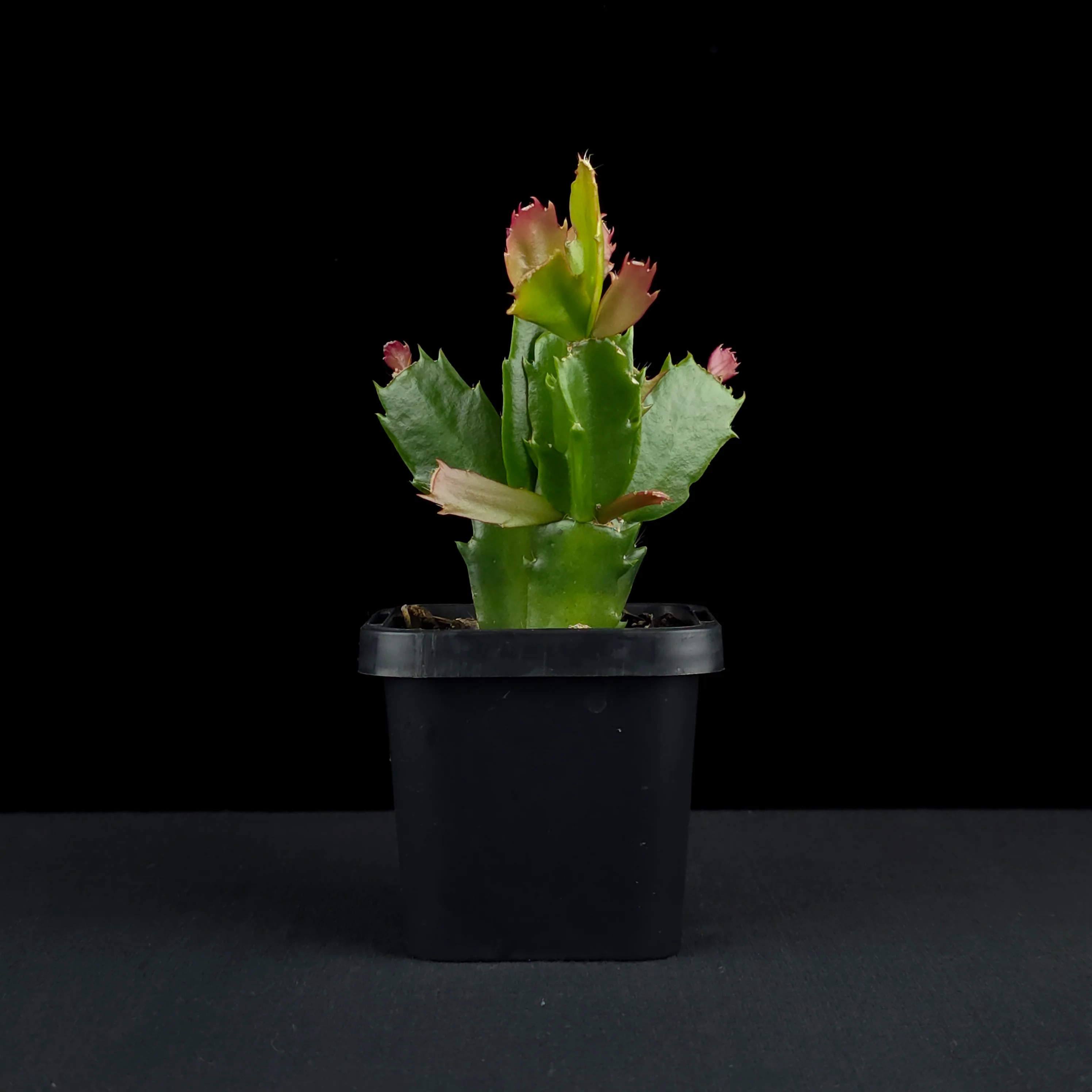
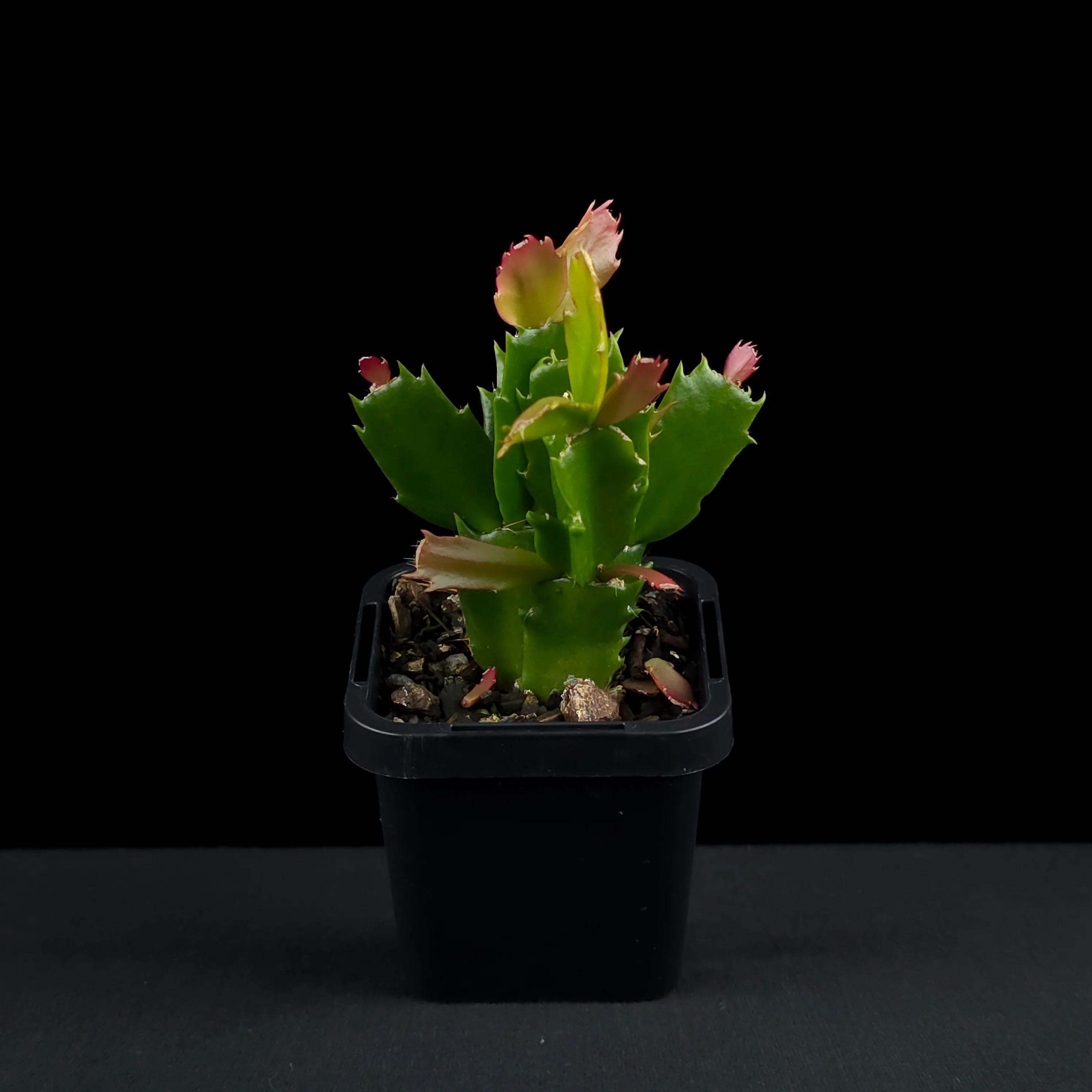
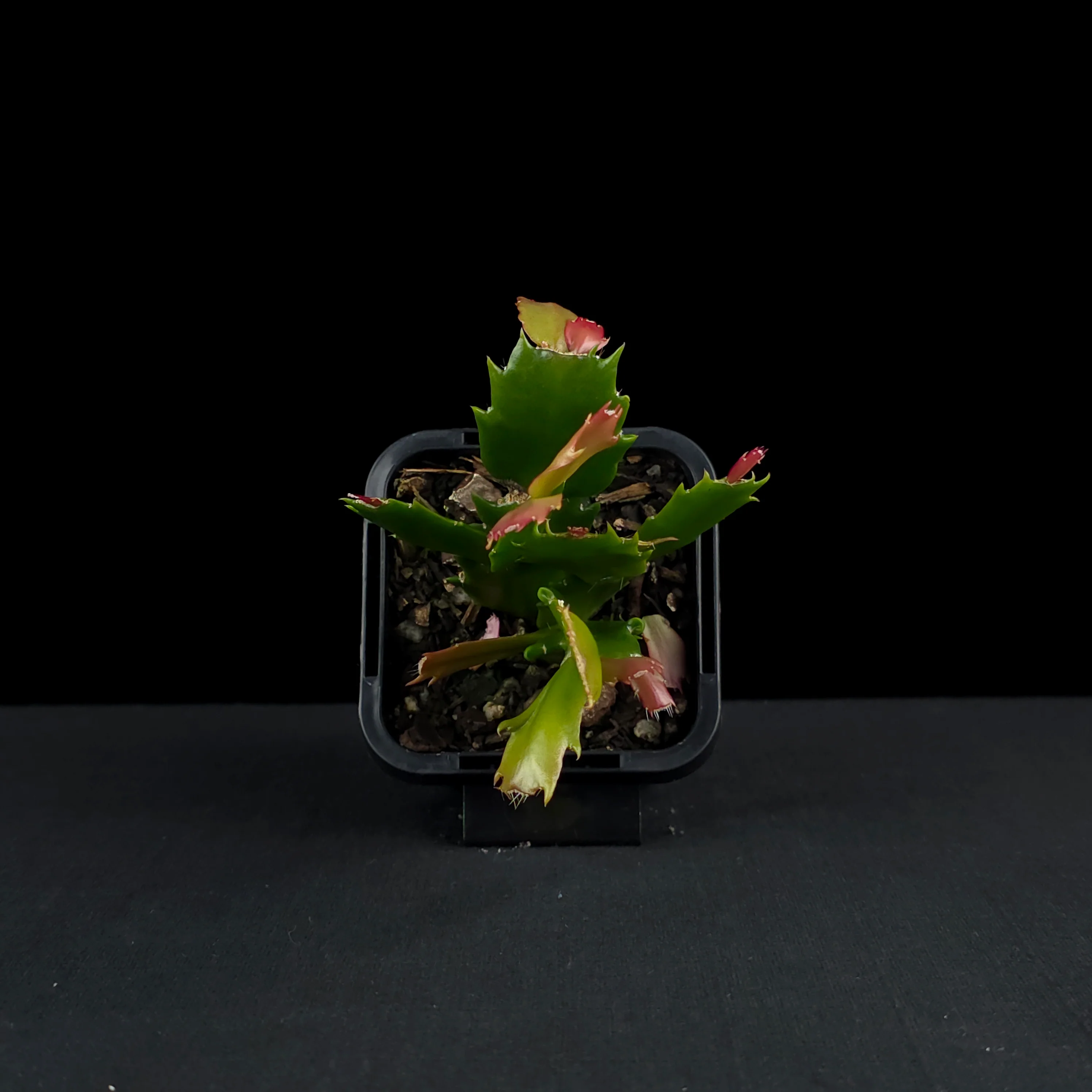
The stems consist of flattened, jointed segments (phylloclades) with shallow notches or serrations along their edges. 'Dutch Pink' produces large, tubular flowers in shades of mid to deep pink, often with a lighter throat and petal shading. These blooms emerge from the tips of mature segments and are adapted for pollination by hummingbirds in their natural range. The plant’s cascading habit makes it an attractive option for hanging baskets and elevated planters.
Flowering is triggered by shorter day lengths and cooler night temperatures, generally in late autumn to early winter. With consistent seasonal care, this hybrid can produce a dense display of blooms year after year.
Care Tips:
- Light: Bright, indirect light is best. Morning or late afternoon sun can be beneficial, but protect from intense midday light to avoid stem scorch.
- Water: Keep the potting mix evenly moist during active growth and flowering. After blooming, reduce watering slightly, allowing the top layer of soil to dry before reapplying.
- Humidity: Prefers moderate to high humidity. Increase moisture with a pebble tray of water beneath the pot or by occasional misting during dry indoor conditions.
- Media: Use a free-draining, slightly acidic potting mix such as a blend of orchid bark, peat, and perlite to mimic its natural epiphytic environment.
- Fertiliser: Feed monthly during the growing season with a balanced liquid fertiliser diluted to half strength. Switch to a high-potassium formulation before flowering to encourage bud set.
- Temperature: Maintain 18–24°C during growth. To initiate buds, provide night temperatures of 12–15°C for several weeks in autumn.
- Repotting: Repot every 3–4 years after flowering, refreshing the mix and using a slightly larger pot only if needed.
- Propagation: Take cuttings of 2–3 joined segments in spring or early summer, allow them to callus for 24 hours, then plant into a well-draining mix.
Original: $9.50
-70%$9.50
$2.85Product Information
Product Information
Shipping & Returns
Shipping & Returns
Description
Schlumbergera 'Dutch Pink' is a cultivated hybrid in the Cactaceae family, more widely known as a Zygocactus or Christmas Cactus. Its parent species originate from the coastal mountain forests of south-eastern Brazil, where they grow as epiphytes or lithophytes in shaded, humid conditions. In their native habitat, they establish in mossy tree branches or rocky crevices, receiving filtered light, high humidity, and free-draining organic matter as their growing medium.
The stems consist of flattened, jointed segments (phylloclades) with shallow notches or serrations along their edges. 'Dutch Pink' produces large, tubular flowers in shades of mid to deep pink, often with a lighter throat and petal shading. These blooms emerge from the tips of mature segments and are adapted for pollination by hummingbirds in their natural range. The plant’s cascading habit makes it an attractive option for hanging baskets and elevated planters.
Flowering is triggered by shorter day lengths and cooler night temperatures, generally in late autumn to early winter. With consistent seasonal care, this hybrid can produce a dense display of blooms year after year.
Care Tips:
- Light: Bright, indirect light is best. Morning or late afternoon sun can be beneficial, but protect from intense midday light to avoid stem scorch.
- Water: Keep the potting mix evenly moist during active growth and flowering. After blooming, reduce watering slightly, allowing the top layer of soil to dry before reapplying.
- Humidity: Prefers moderate to high humidity. Increase moisture with a pebble tray of water beneath the pot or by occasional misting during dry indoor conditions.
- Media: Use a free-draining, slightly acidic potting mix such as a blend of orchid bark, peat, and perlite to mimic its natural epiphytic environment.
- Fertiliser: Feed monthly during the growing season with a balanced liquid fertiliser diluted to half strength. Switch to a high-potassium formulation before flowering to encourage bud set.
- Temperature: Maintain 18–24°C during growth. To initiate buds, provide night temperatures of 12–15°C for several weeks in autumn.
- Repotting: Repot every 3–4 years after flowering, refreshing the mix and using a slightly larger pot only if needed.
- Propagation: Take cuttings of 2–3 joined segments in spring or early summer, allow them to callus for 24 hours, then plant into a well-draining mix.