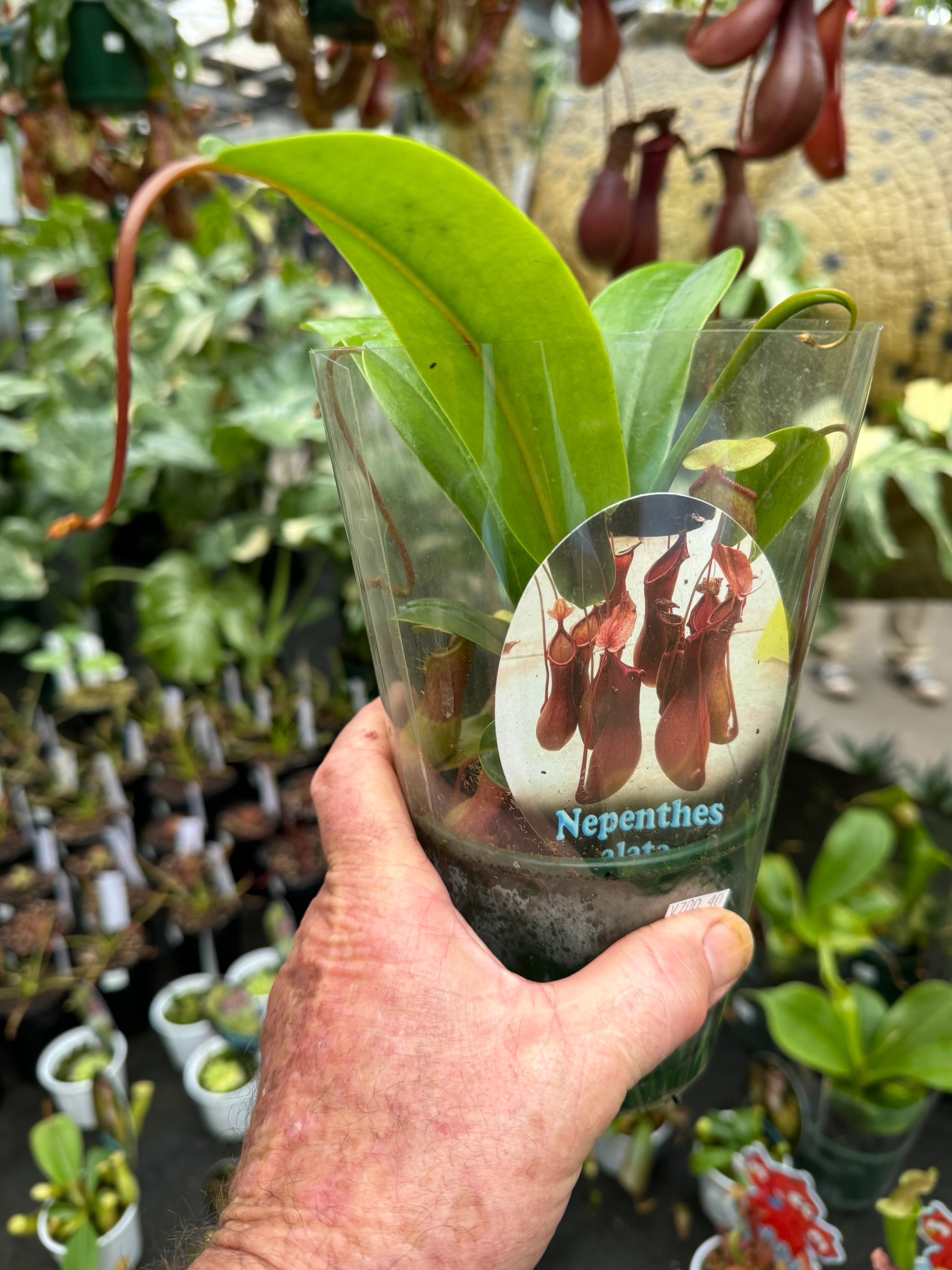
Nepenthes alata - Winged Pitcher Plant
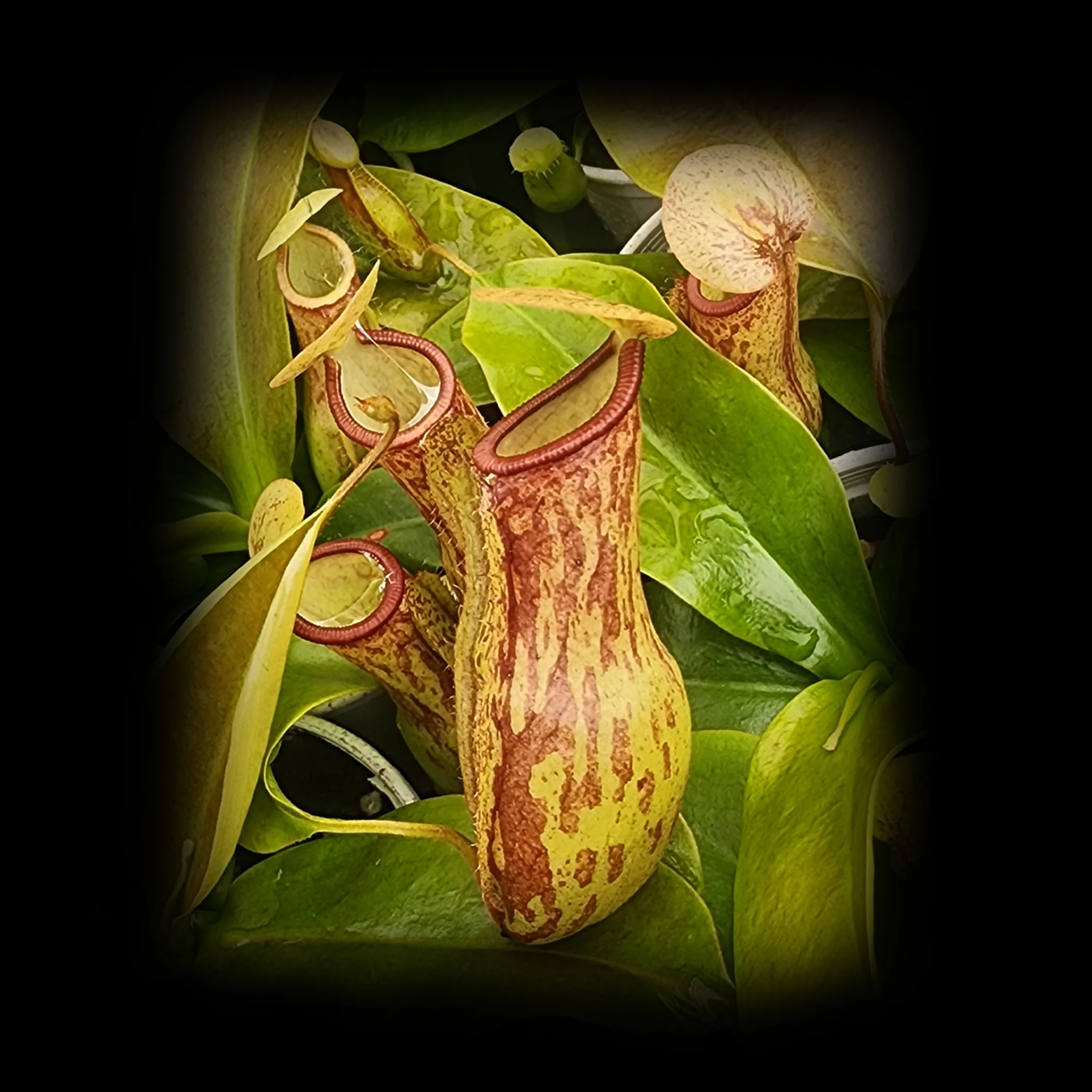
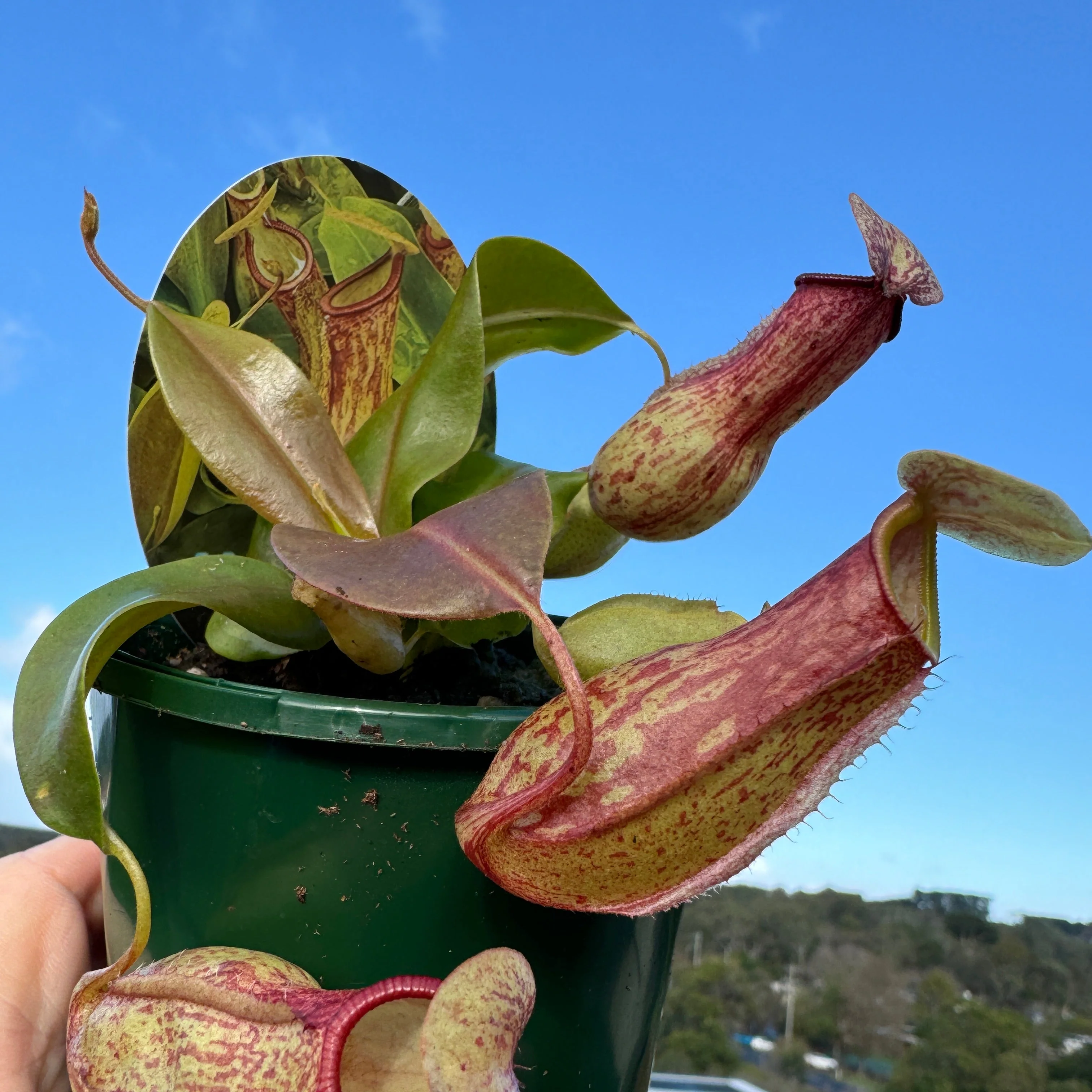
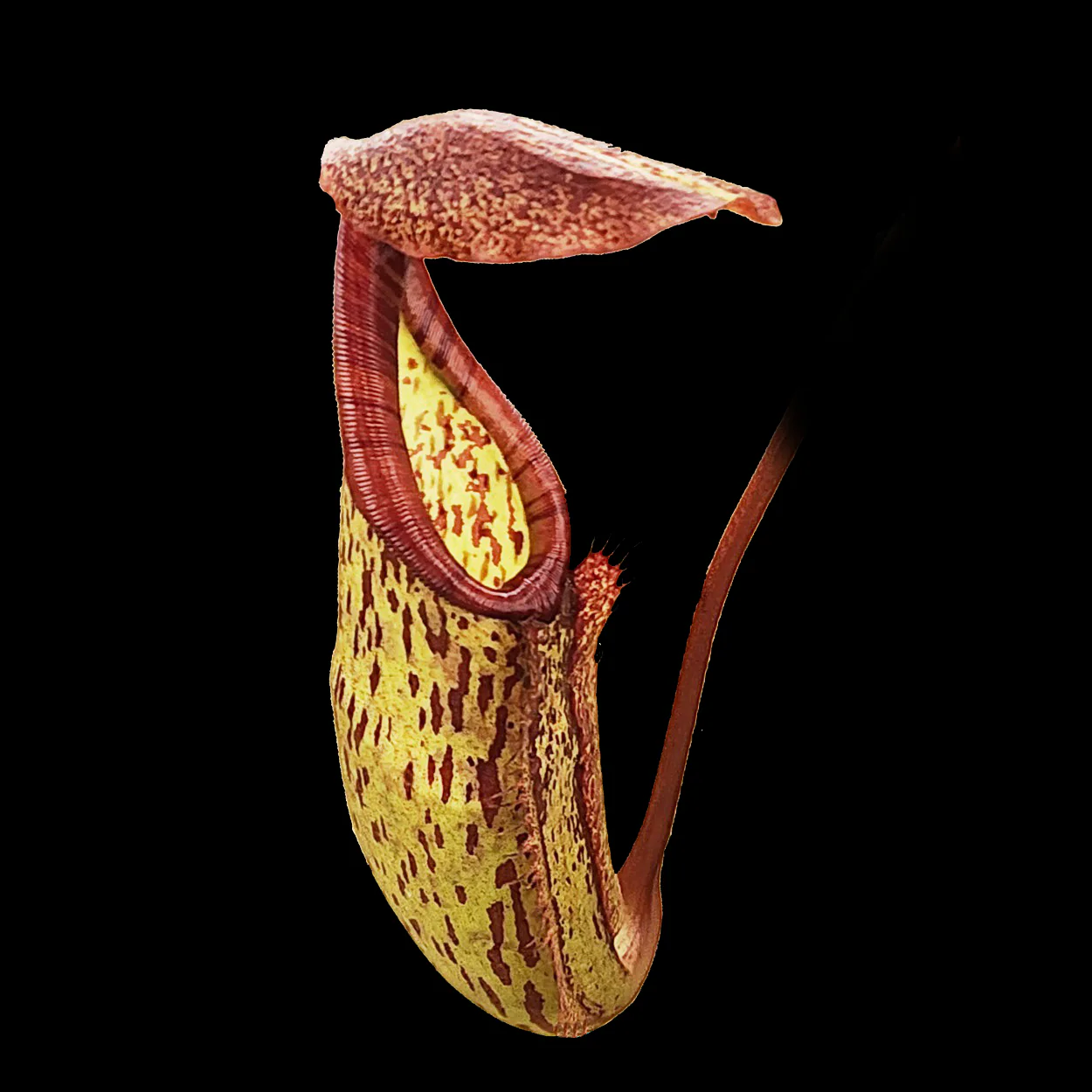
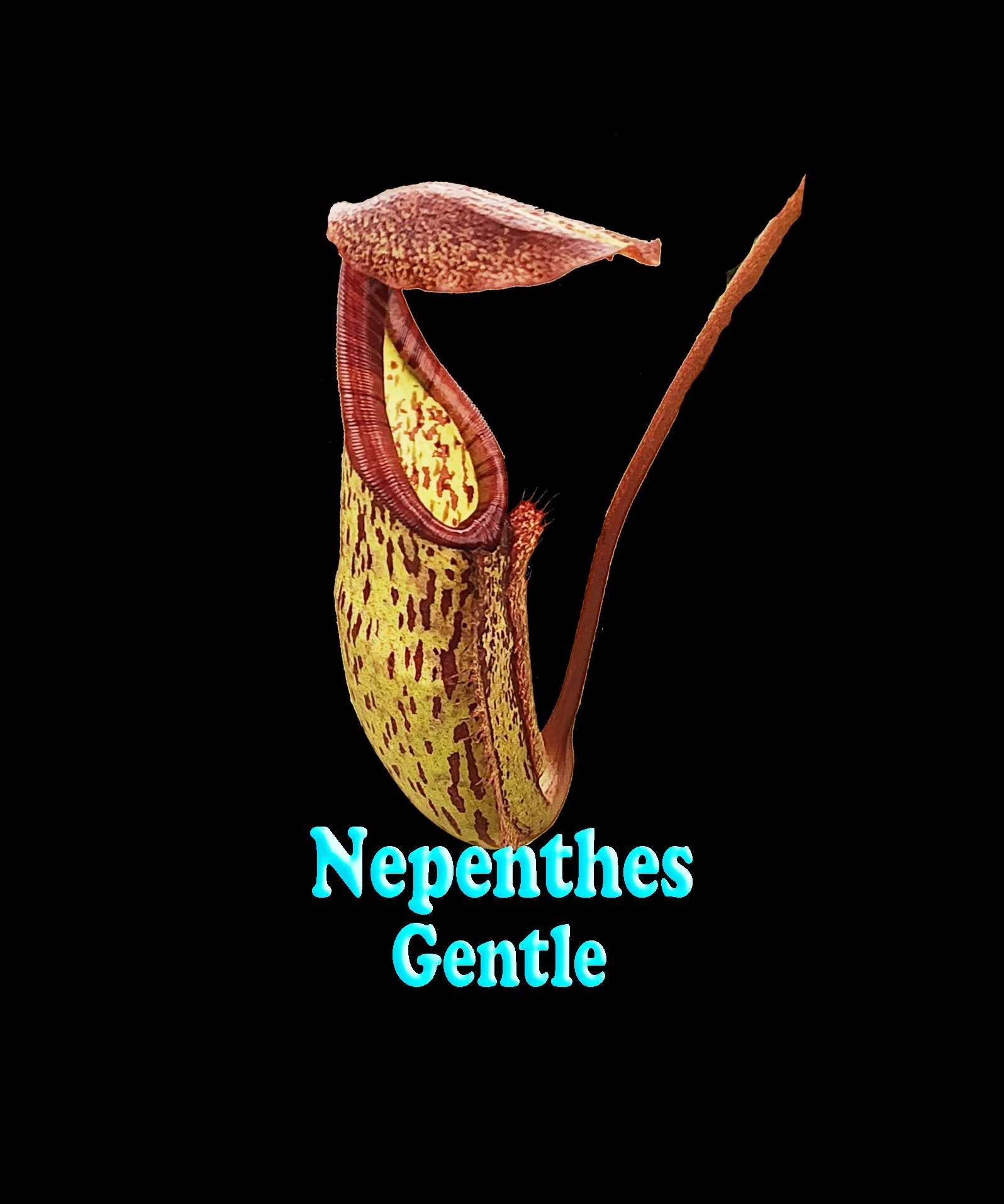
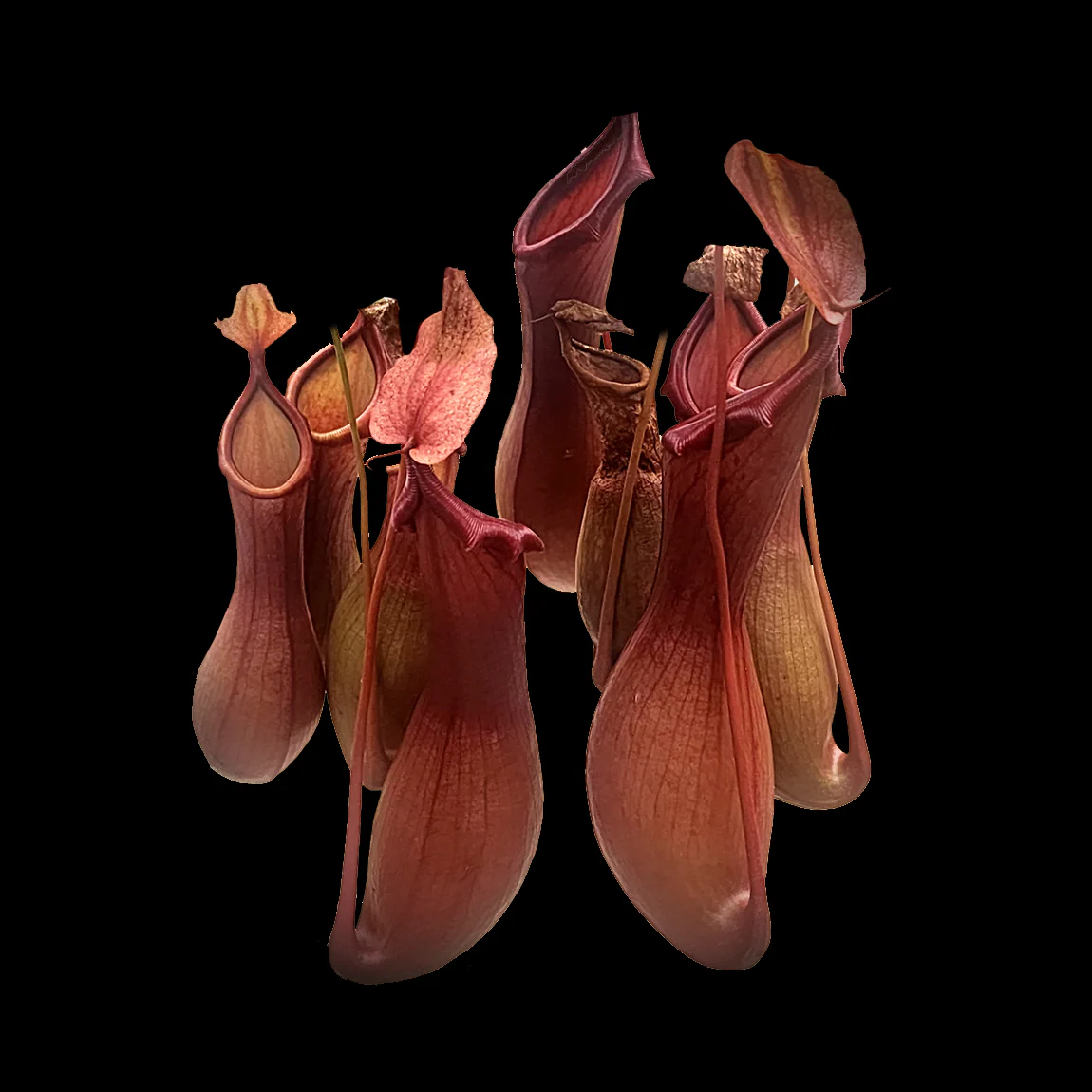
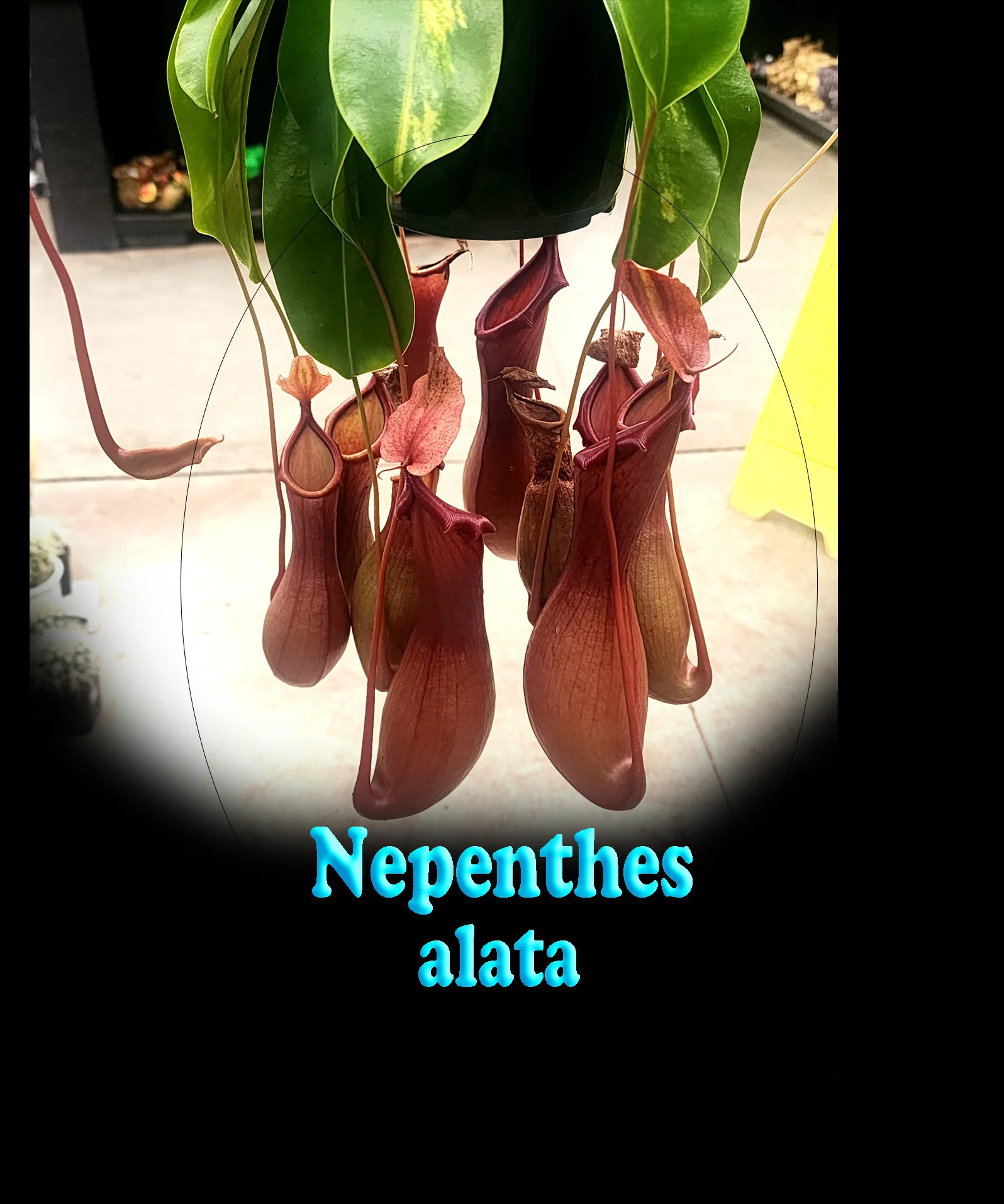
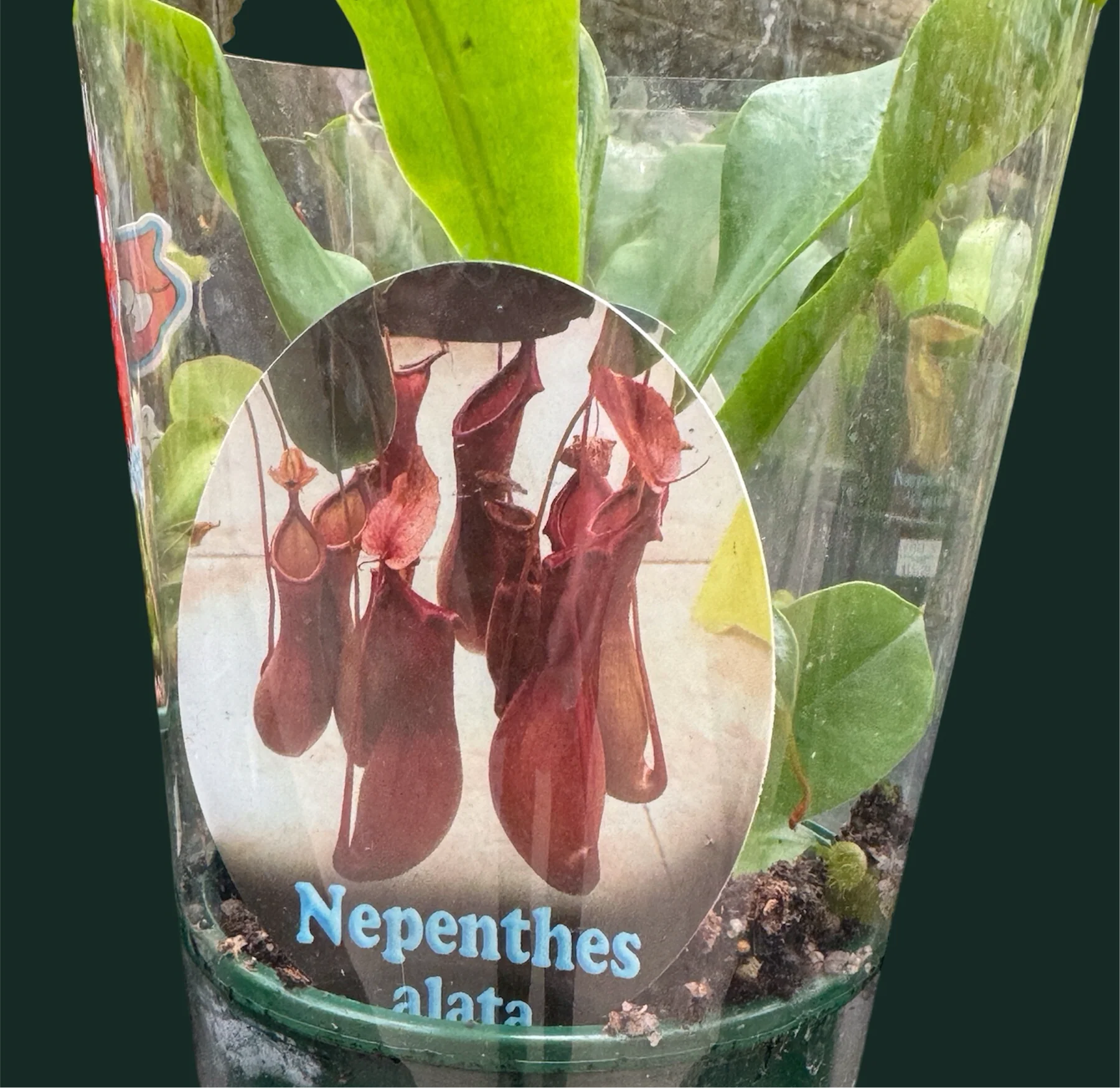
Nepenthes alata, often called the winged pitcher plant, is a carnivorous vine native to the Philippines where it can be found from lowland forest edges to cool, misty montane slopes. Its name comes from the distinctive wing-like ridges running along the front of its pitchers. These pitchers vary in form and colour across different populations, from slender green forms to broader, red-speckled traps, reflecting the species’ natural variability.
Each leaf ends in a tendril that supports a pitcher, which begins life with a tightly sealed lid. As it matures, the lid lifts to reveal a slippery inner surface and a rim, or peristome, that secretes nectar to lure insects. Once prey falls in, it is met with a digestive fluid that retains its trapping properties even after heavy rainfall, an adaptation to the wet conditions of its native range.
In the wild, Nepenthes alata often grows among mosses, orchids, and ferns, using surrounding vegetation for support as it climbs. Male and female plants produce separate, slender flower spikes, each carrying many small blossoms that attract insect pollinators. The seeds are lightweight and adapted for wind dispersal, allowing the plant to establish in new, nutrient-poor sites where its carnivorous habit offers a competitive edge.
Care Tips:
- Light: Bright, filtered light is best; avoid prolonged direct midday sun.
- Water: Keep consistently moist with rainwater or low-mineral water; never allow to dry out.
- Humidity: Maintain high humidity, ideally above 60%.
- Media: Use a loose, well-draining mix such as sphagnum moss with bark or perlite.
- Fertiliser: Apply very dilute orchid fertiliser occasionally to roots or a small amount into pitchers.
- Temperature: Best between 18–28 °C; protect from cold drafts.
- Repotting: Refresh media every 1–2 years or when growth slows.
Original: $19.50
-70%$19.50
$5.85Product Information
Product Information
Shipping & Returns
Shipping & Returns
Description
Nepenthes alata, often called the winged pitcher plant, is a carnivorous vine native to the Philippines where it can be found from lowland forest edges to cool, misty montane slopes. Its name comes from the distinctive wing-like ridges running along the front of its pitchers. These pitchers vary in form and colour across different populations, from slender green forms to broader, red-speckled traps, reflecting the species’ natural variability.
Each leaf ends in a tendril that supports a pitcher, which begins life with a tightly sealed lid. As it matures, the lid lifts to reveal a slippery inner surface and a rim, or peristome, that secretes nectar to lure insects. Once prey falls in, it is met with a digestive fluid that retains its trapping properties even after heavy rainfall, an adaptation to the wet conditions of its native range.
In the wild, Nepenthes alata often grows among mosses, orchids, and ferns, using surrounding vegetation for support as it climbs. Male and female plants produce separate, slender flower spikes, each carrying many small blossoms that attract insect pollinators. The seeds are lightweight and adapted for wind dispersal, allowing the plant to establish in new, nutrient-poor sites where its carnivorous habit offers a competitive edge.
Care Tips:
- Light: Bright, filtered light is best; avoid prolonged direct midday sun.
- Water: Keep consistently moist with rainwater or low-mineral water; never allow to dry out.
- Humidity: Maintain high humidity, ideally above 60%.
- Media: Use a loose, well-draining mix such as sphagnum moss with bark or perlite.
- Fertiliser: Apply very dilute orchid fertiliser occasionally to roots or a small amount into pitchers.
- Temperature: Best between 18–28 °C; protect from cold drafts.
- Repotting: Refresh media every 1–2 years or when growth slows.