Drosera spatulata
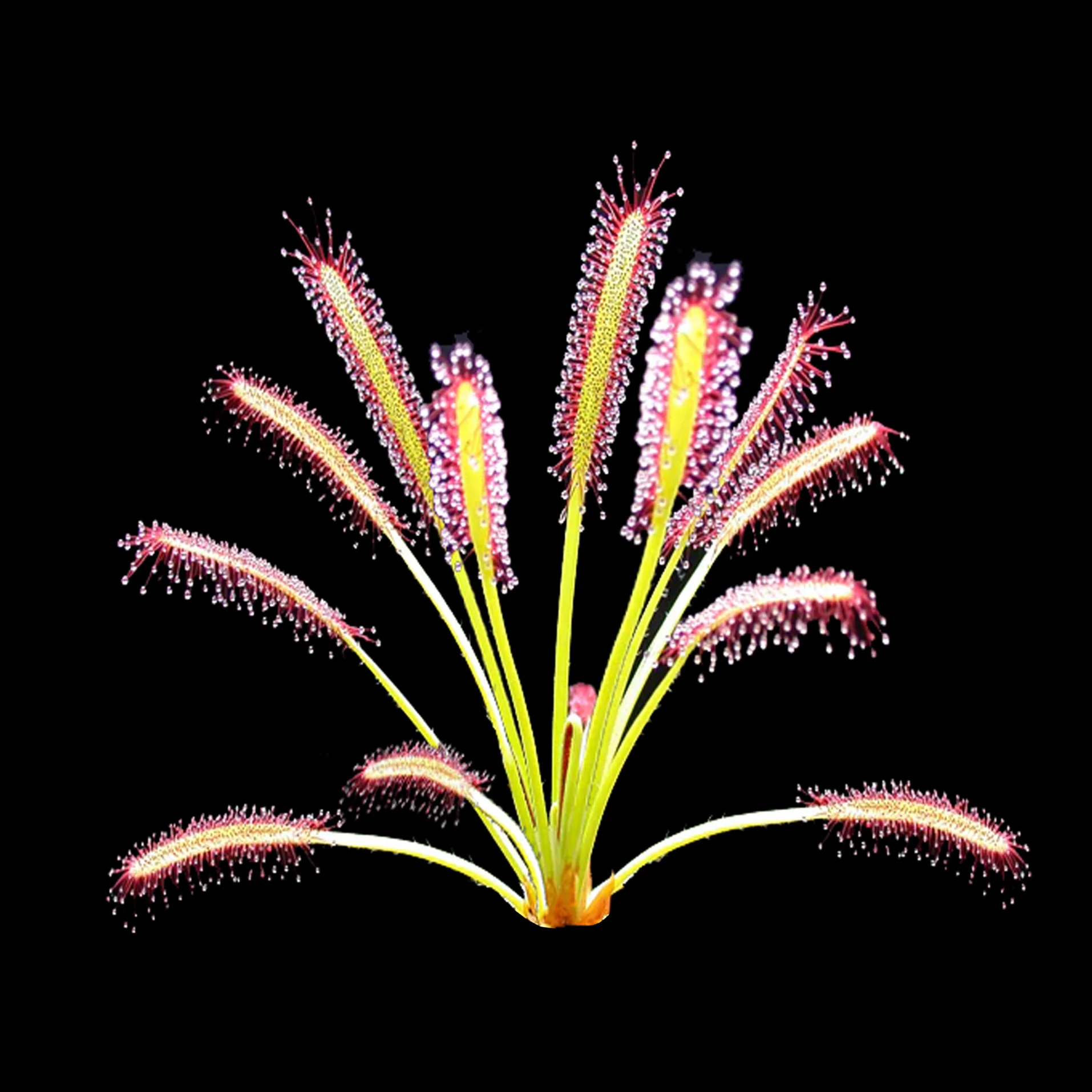
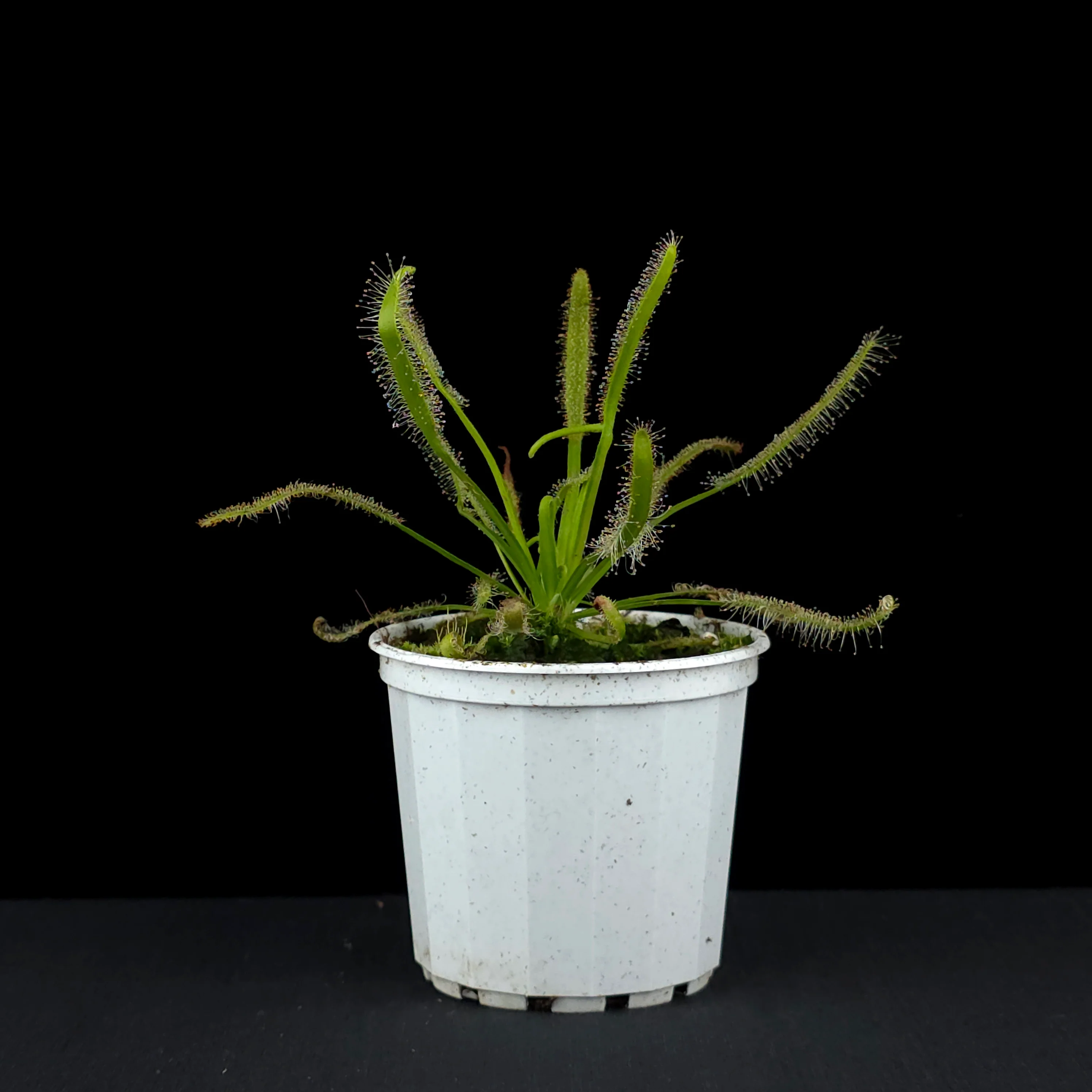
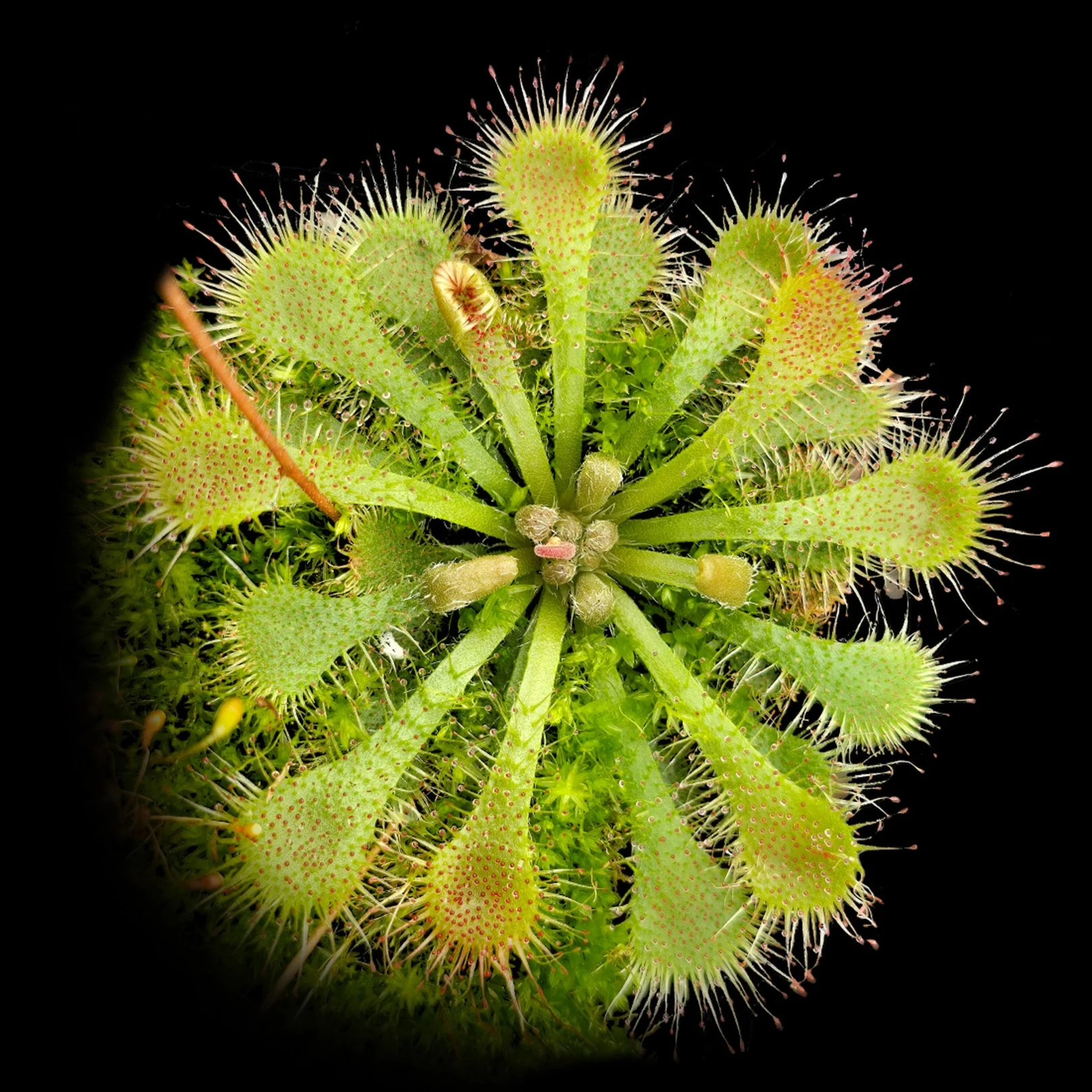
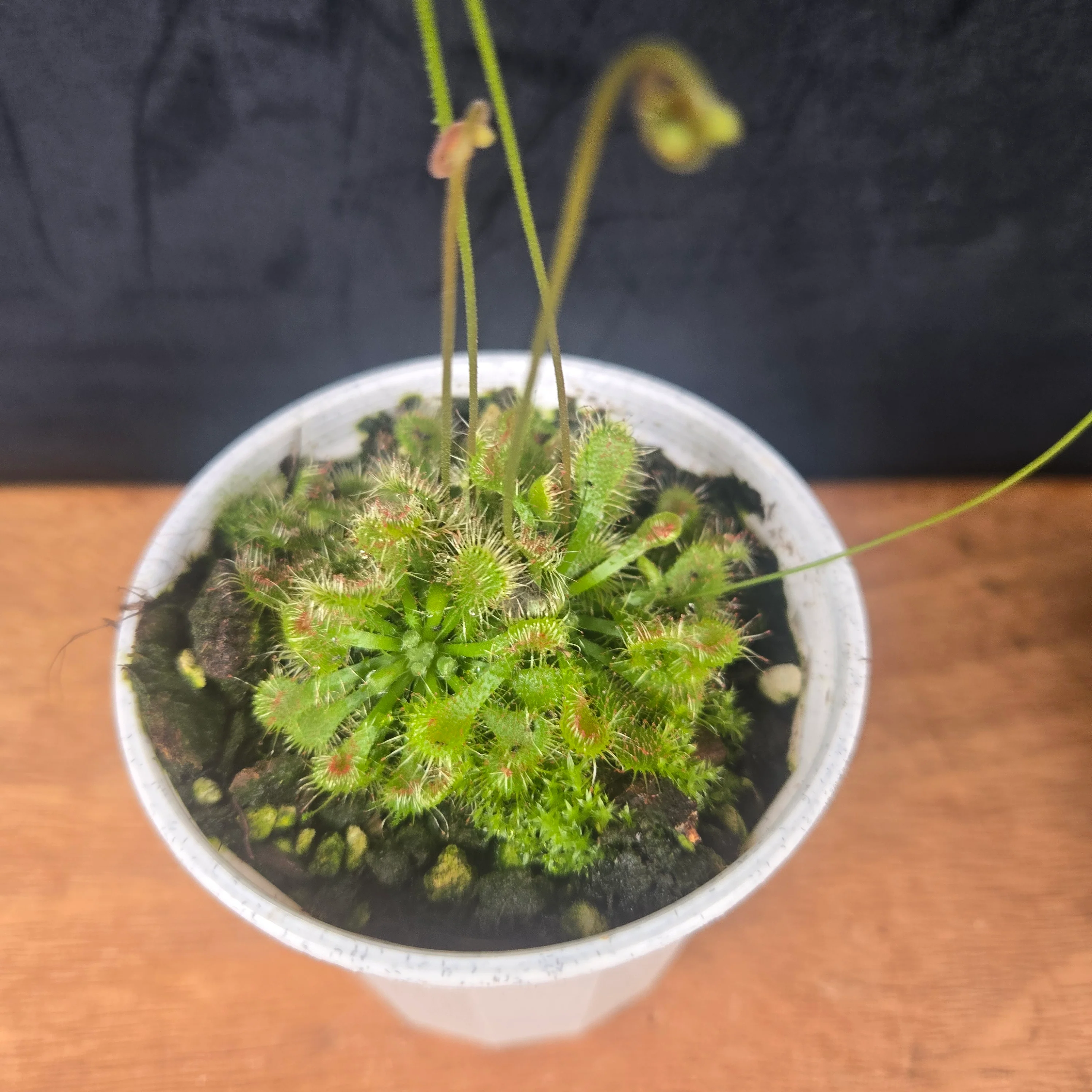
Drosera spatulata, commonly known as the spoon-leaved sundew, is a small, ground-hugging carnivorous plant native to Australia, New Zealand, and parts of Southeast Asia. It flourishes in nutrient-poor bogs, trapping insects with glistening mucilage-tipped tentacles. Unlike some of its relatives, this species is remarkably adaptable and often one of the easiest sundews to cultivate.
Distinctive Features
- Rosette Growth: Forms a flat, compact rosette of spoon-shaped leaves, often no more than 5 cm across.
- Glandular Hairs: Leaves are covered in red-tipped glandular hairs that exude sticky droplets to ensnare prey.
- Seasonal Flowers: Produces delicate pink to white blooms on slender stalks, typically during spring or summer.
Care Tips
- Light: Requires bright indirect light or full sun for vivid colouring and healthy growth.
- Water: Keep constantly moist with distilled or rainwater; never allow to dry out.
- Humidity: Prefers high humidity but adapts well to standard indoor conditions.
- Media: Grows best in a mix of sphagnum peat and perlite or silica sand; avoid fertilised soils.
- Temperature: Thrives between 15–28°C; tolerates mild cold but not frost.
- Fertiliser: Generally unnecessary; gains nutrients from trapped insects.
- Repotting: Repot annually or when media begins to degrade; division is also possible during repotting.
Original: $15.00
-70%$15.00
$4.50Product Information
Product Information
Shipping & Returns
Shipping & Returns
Description
Drosera spatulata, commonly known as the spoon-leaved sundew, is a small, ground-hugging carnivorous plant native to Australia, New Zealand, and parts of Southeast Asia. It flourishes in nutrient-poor bogs, trapping insects with glistening mucilage-tipped tentacles. Unlike some of its relatives, this species is remarkably adaptable and often one of the easiest sundews to cultivate.
Distinctive Features
- Rosette Growth: Forms a flat, compact rosette of spoon-shaped leaves, often no more than 5 cm across.
- Glandular Hairs: Leaves are covered in red-tipped glandular hairs that exude sticky droplets to ensnare prey.
- Seasonal Flowers: Produces delicate pink to white blooms on slender stalks, typically during spring or summer.
Care Tips
- Light: Requires bright indirect light or full sun for vivid colouring and healthy growth.
- Water: Keep constantly moist with distilled or rainwater; never allow to dry out.
- Humidity: Prefers high humidity but adapts well to standard indoor conditions.
- Media: Grows best in a mix of sphagnum peat and perlite or silica sand; avoid fertilised soils.
- Temperature: Thrives between 15–28°C; tolerates mild cold but not frost.
- Fertiliser: Generally unnecessary; gains nutrients from trapped insects.
- Repotting: Repot annually or when media begins to degrade; division is also possible during repotting.