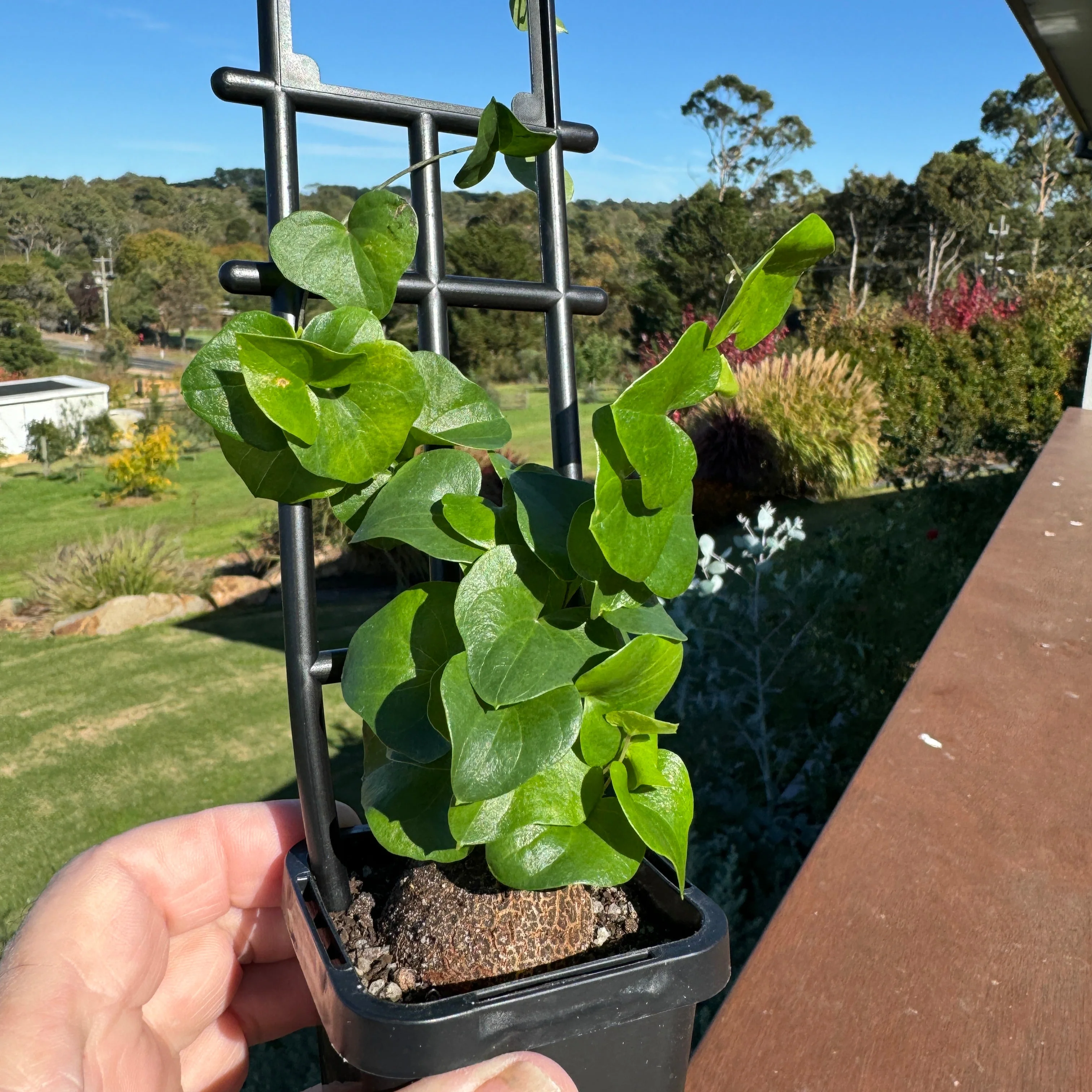
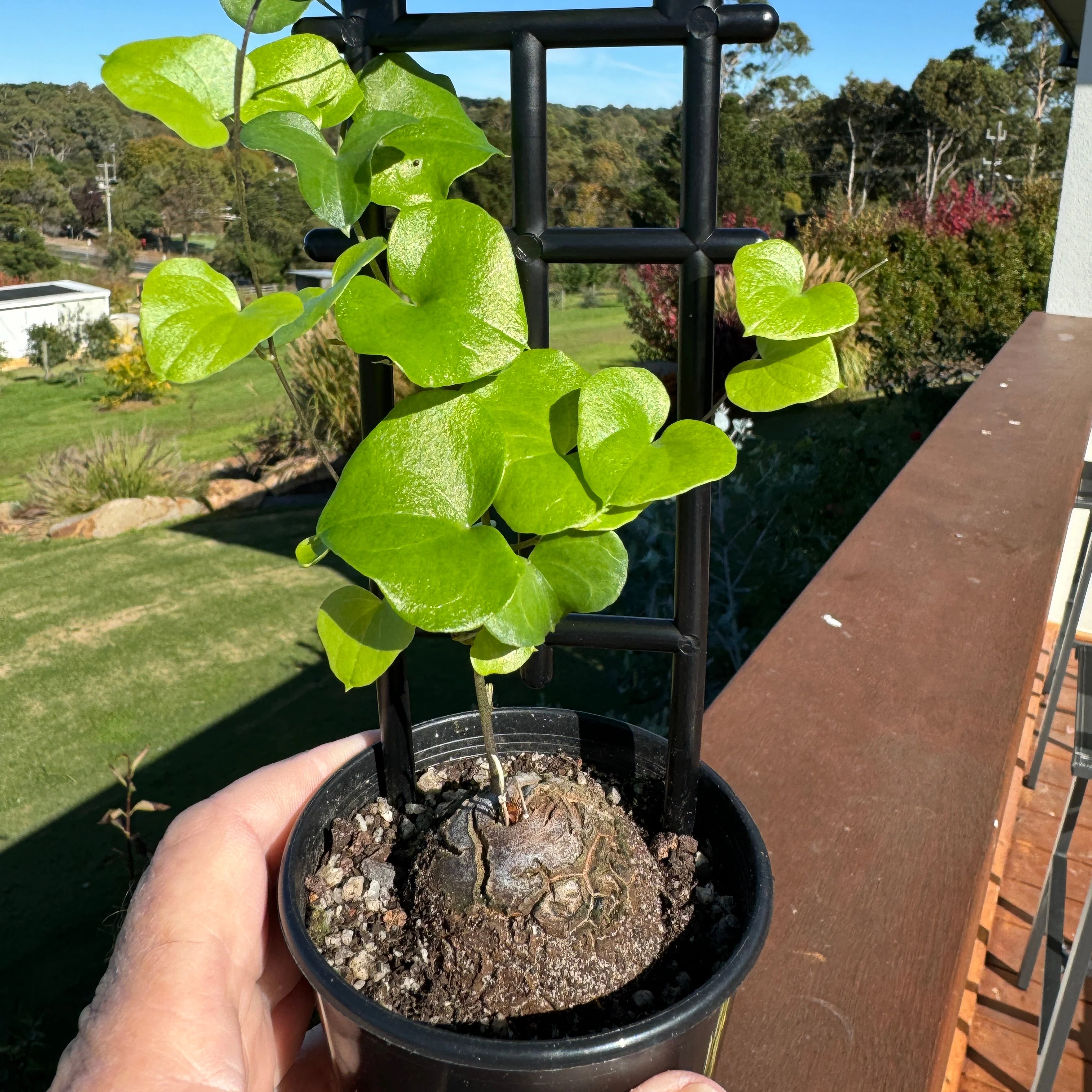
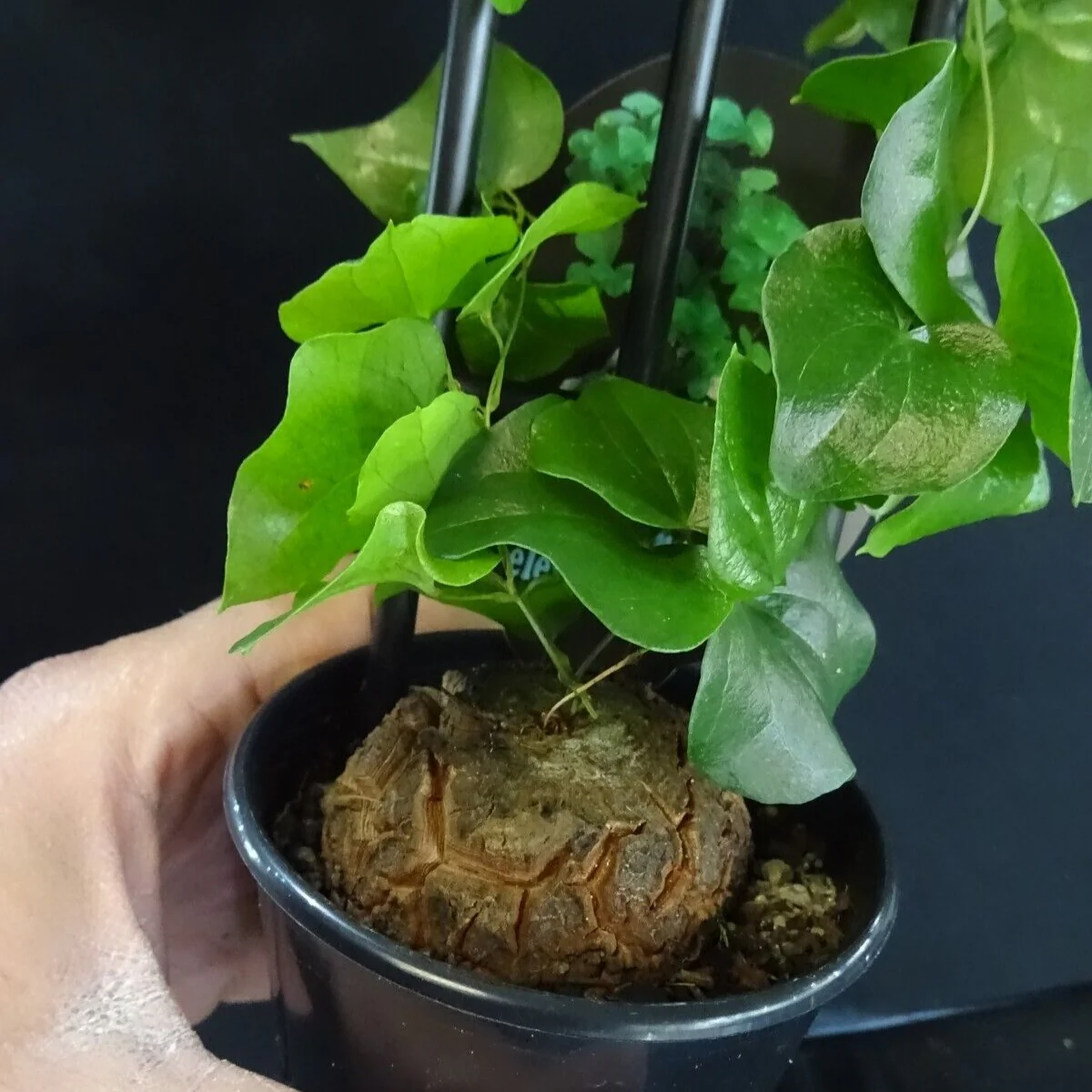
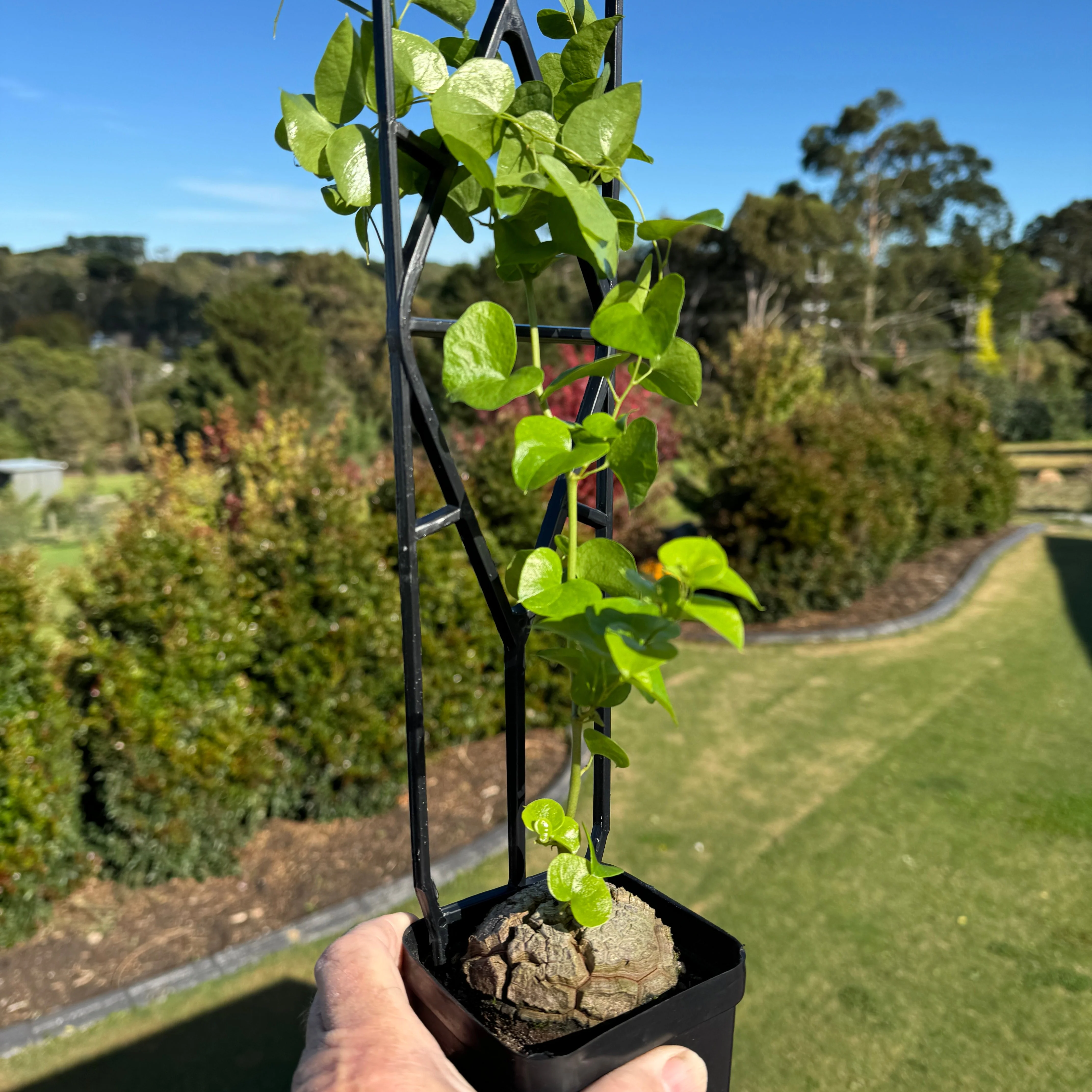
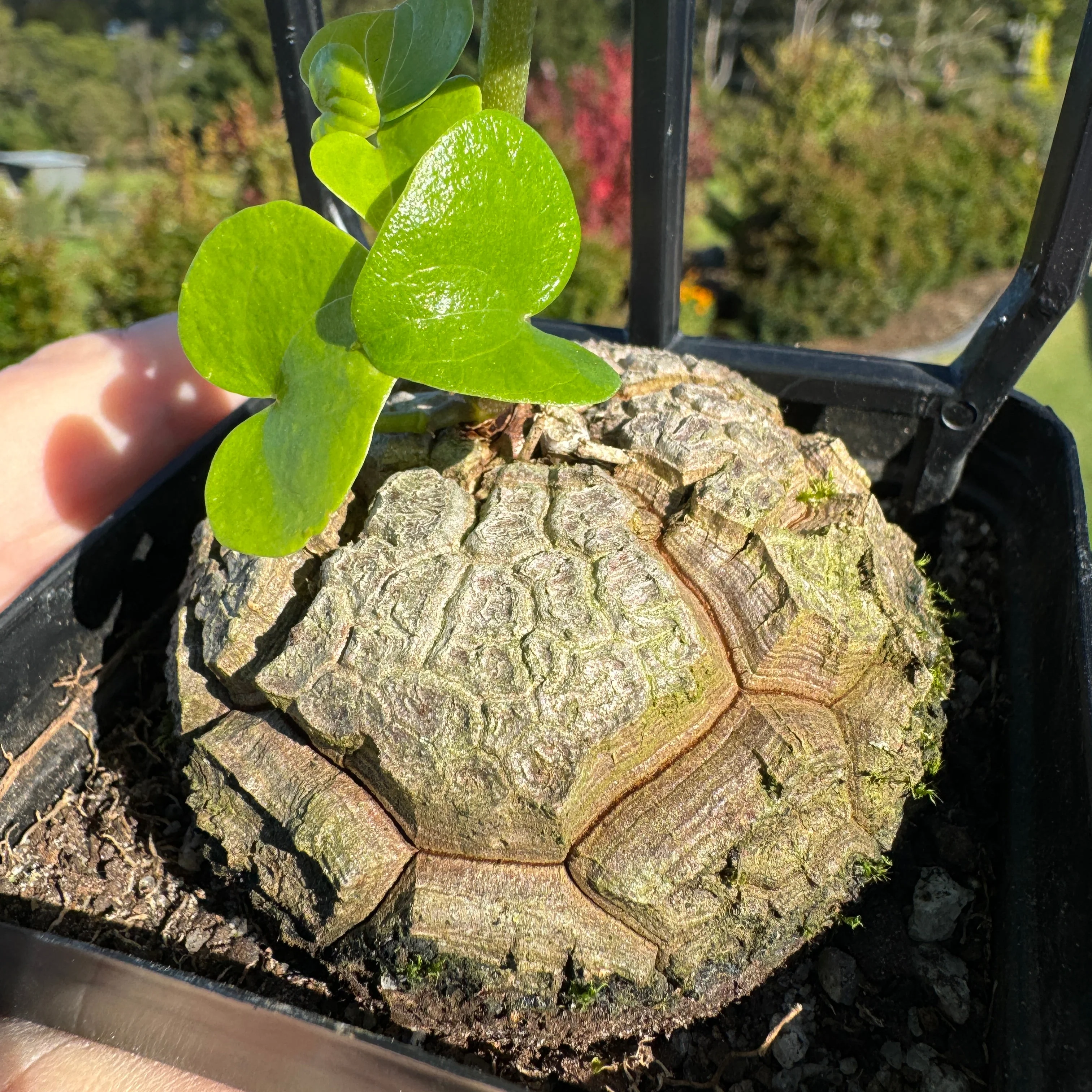
Dioscorea elephantipes 'The Elephant's Foot'
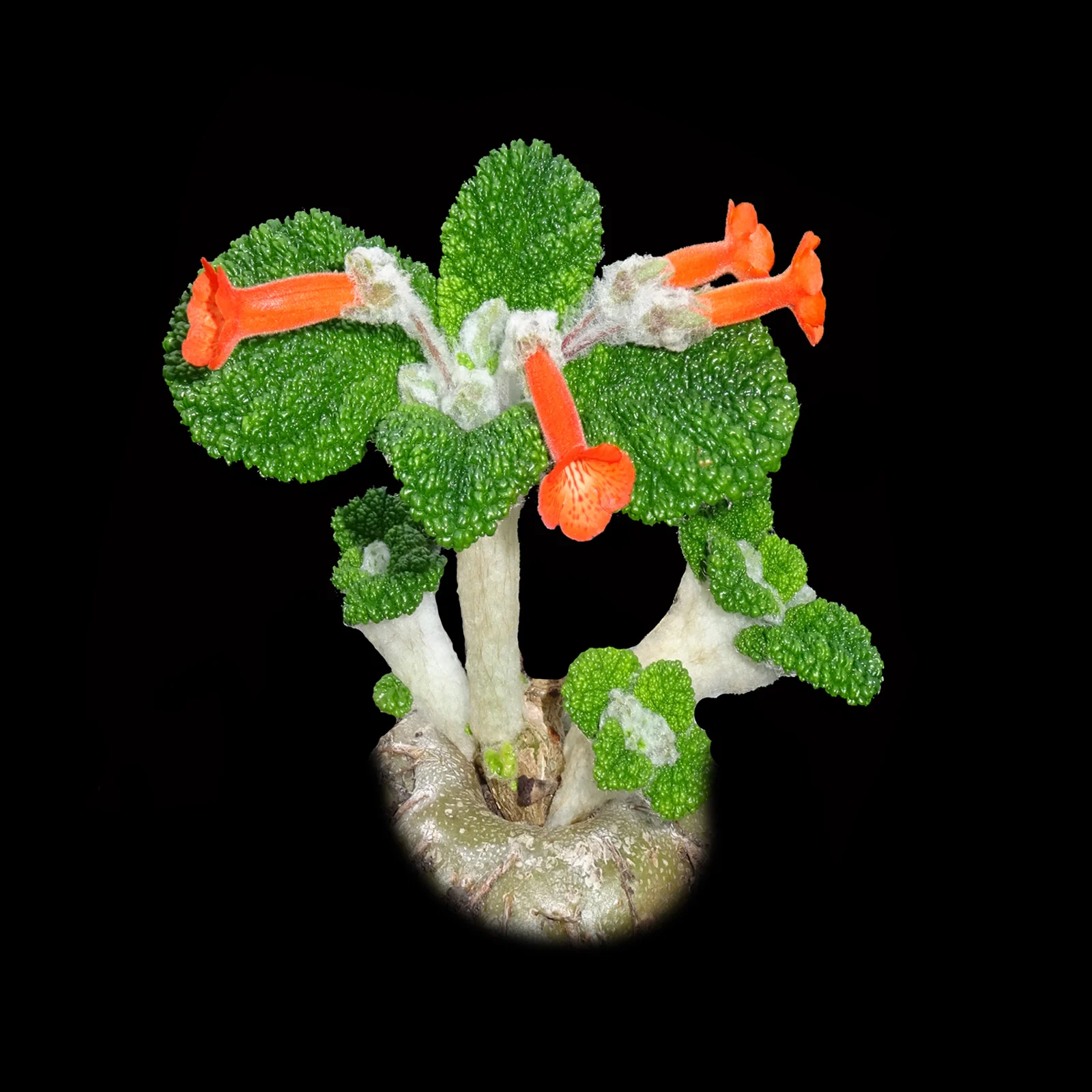
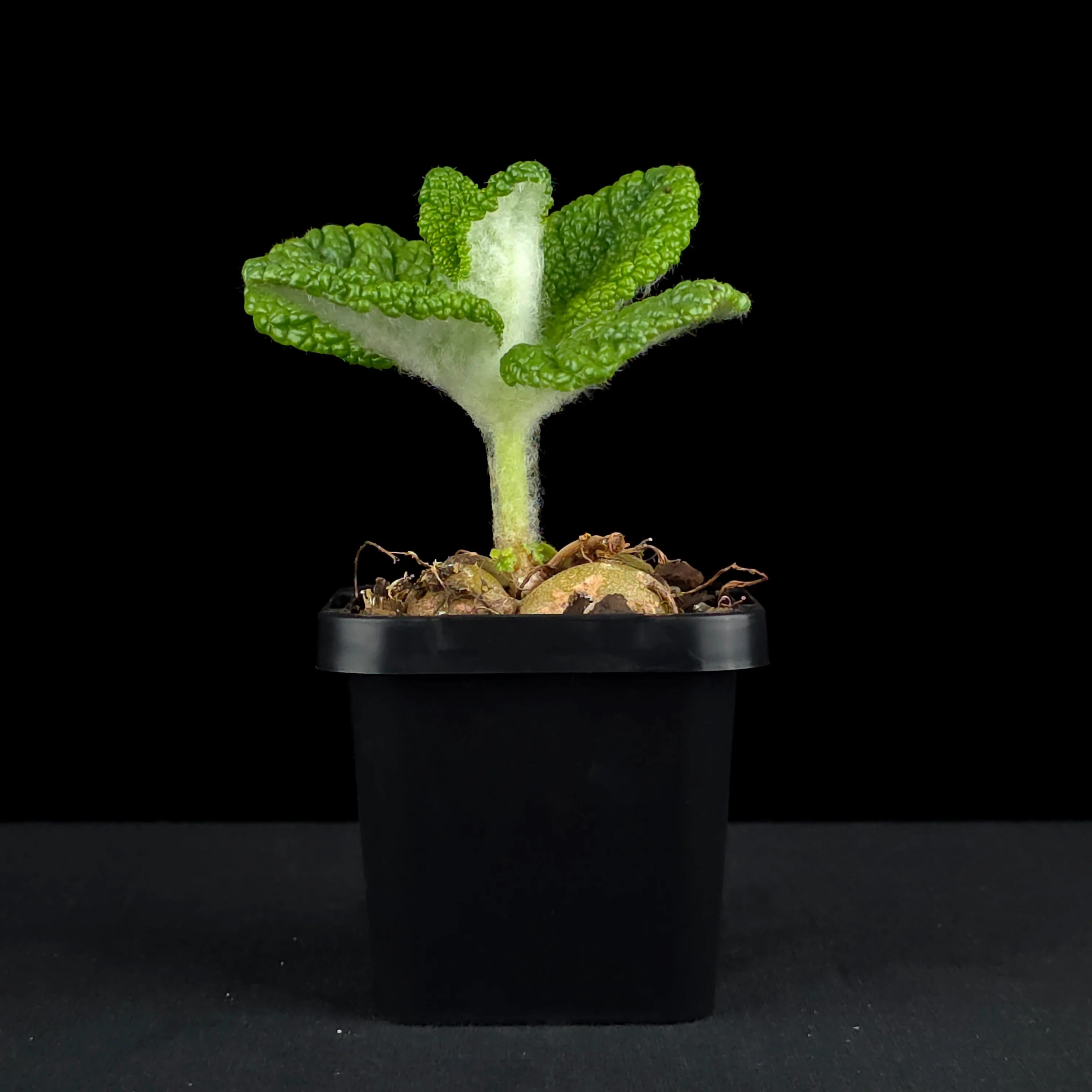
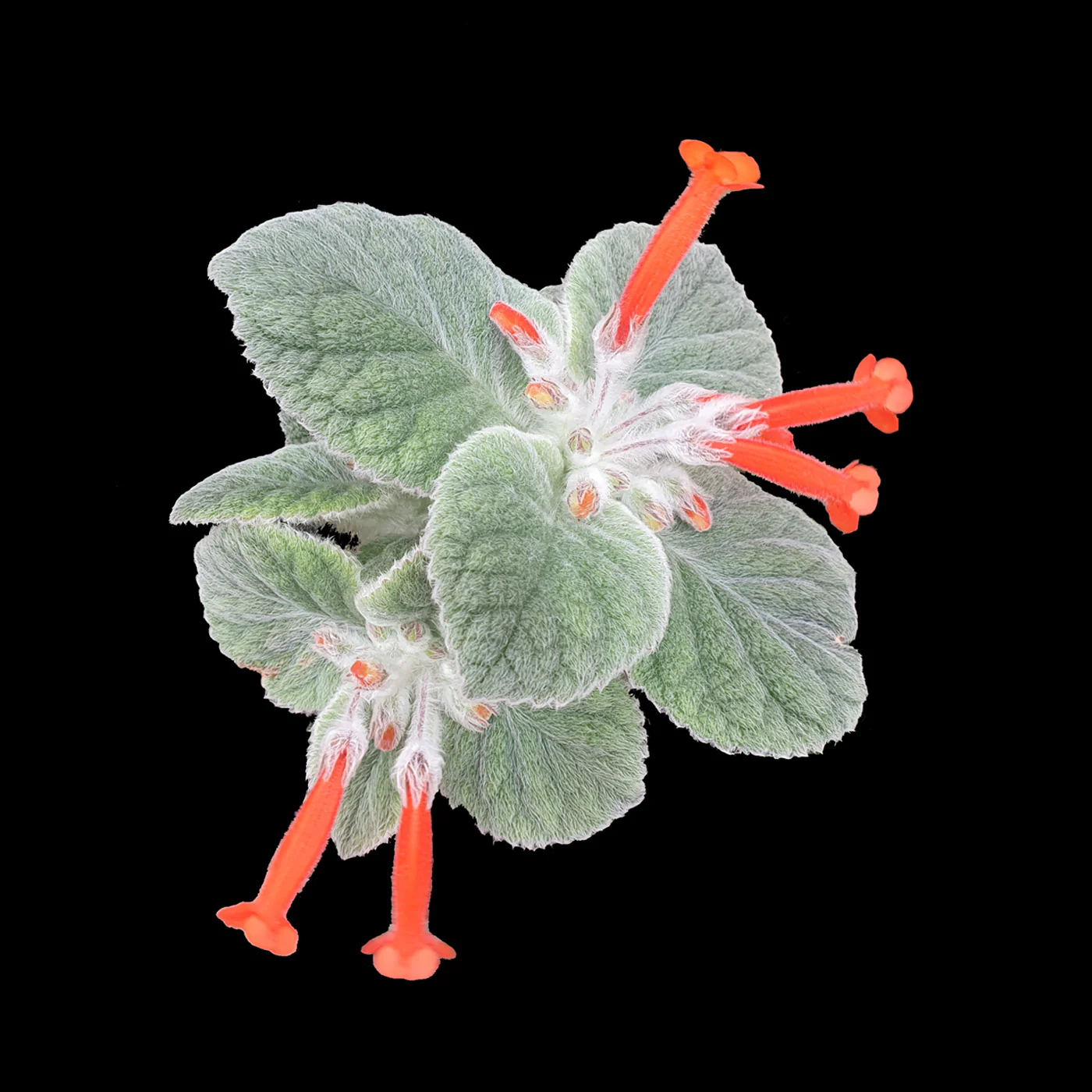
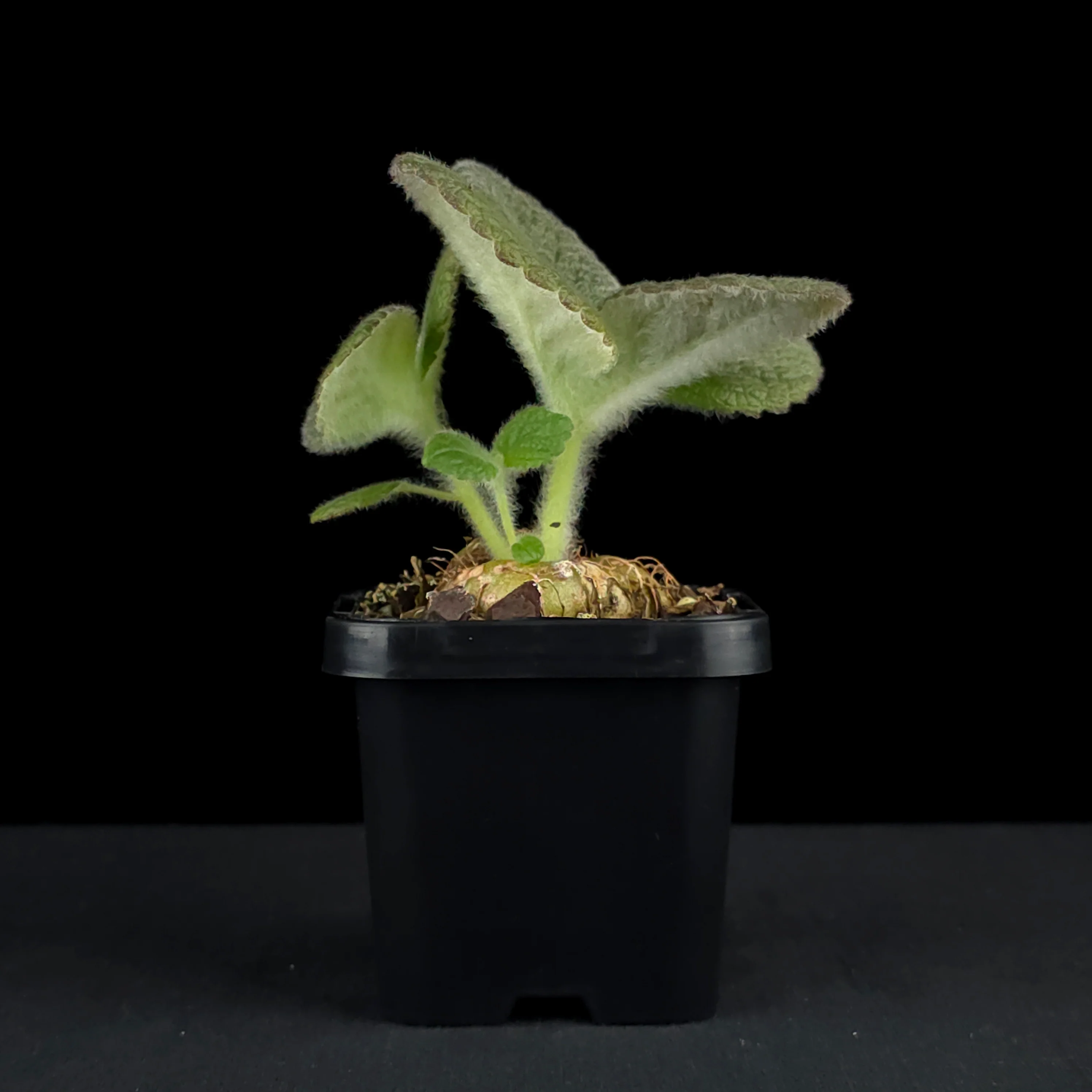
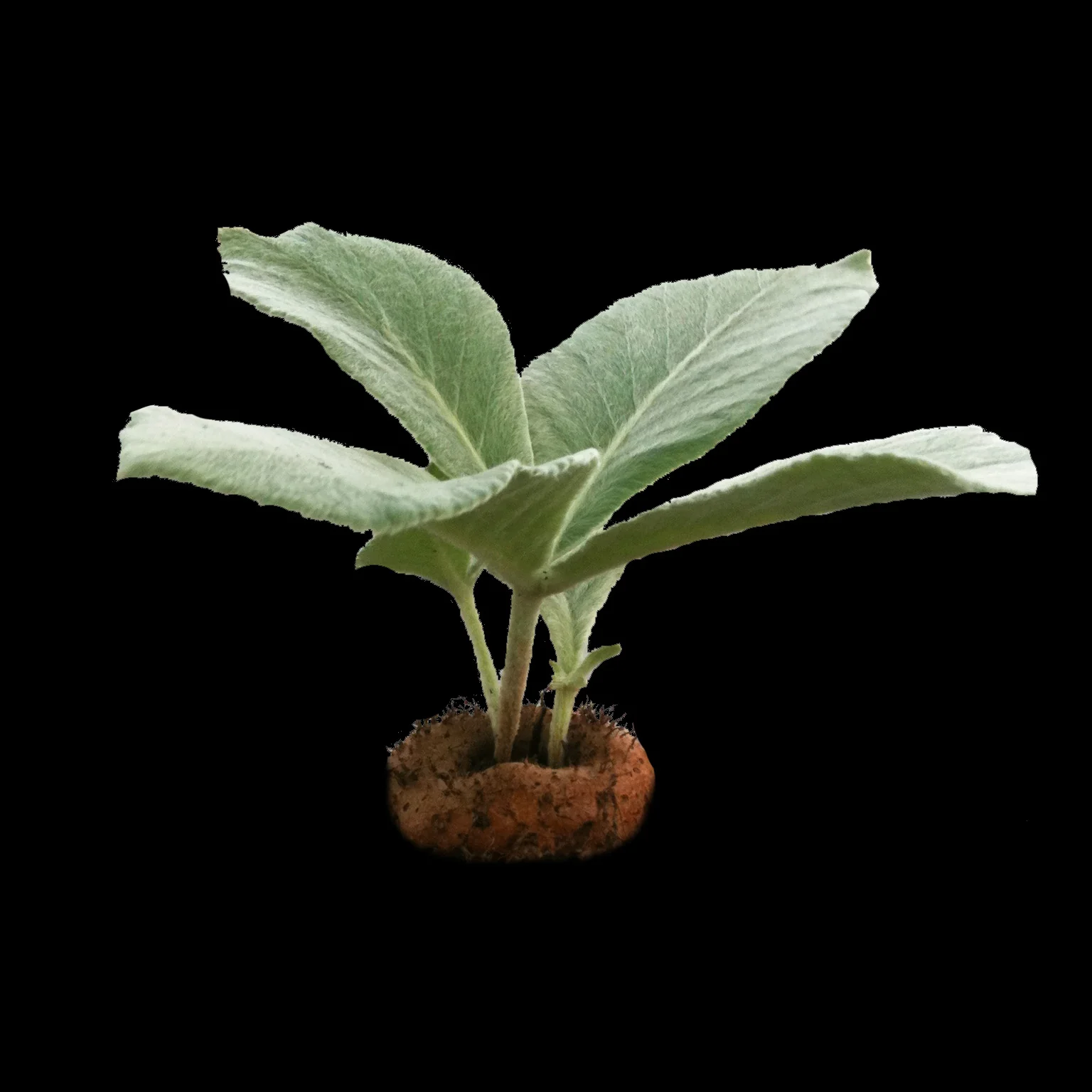
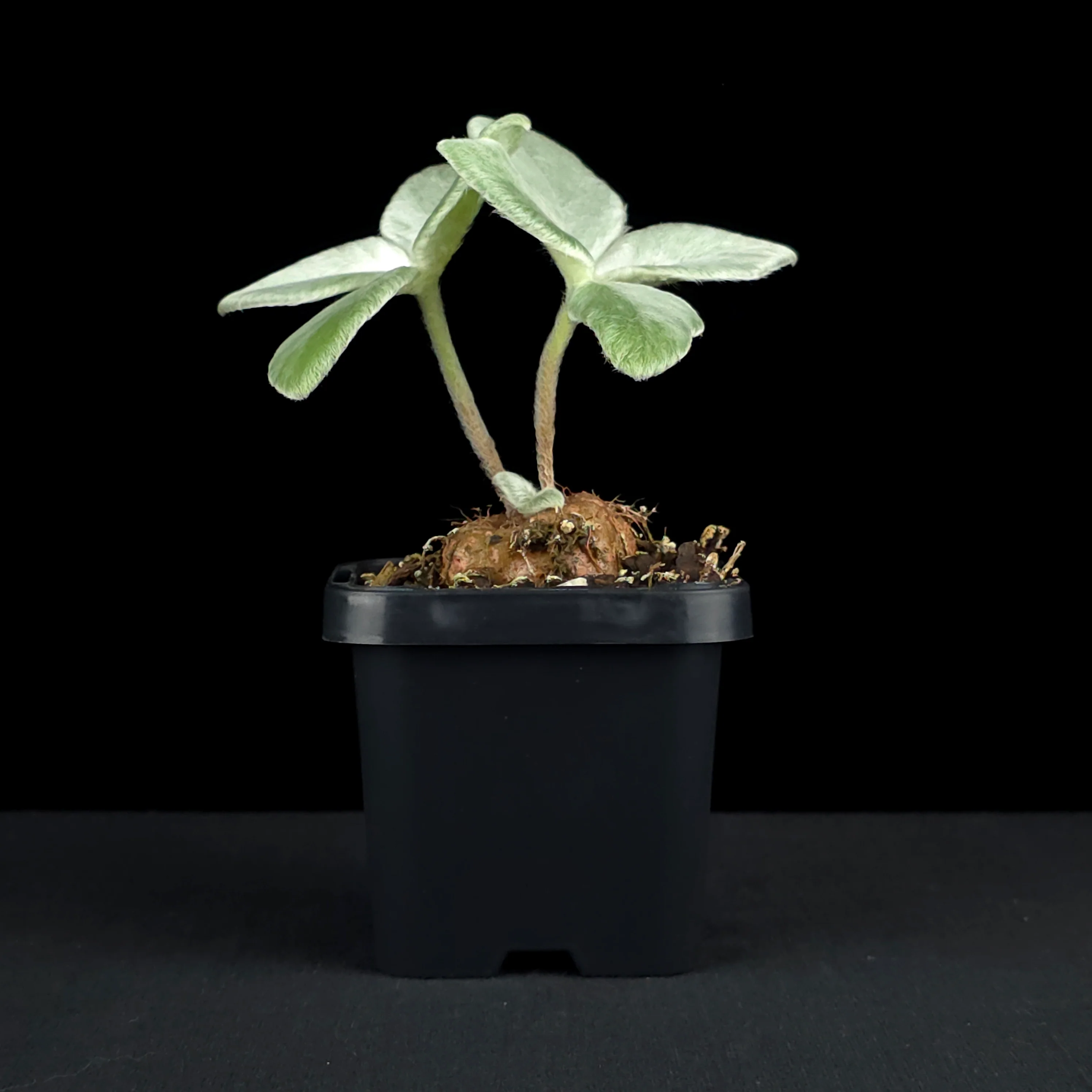
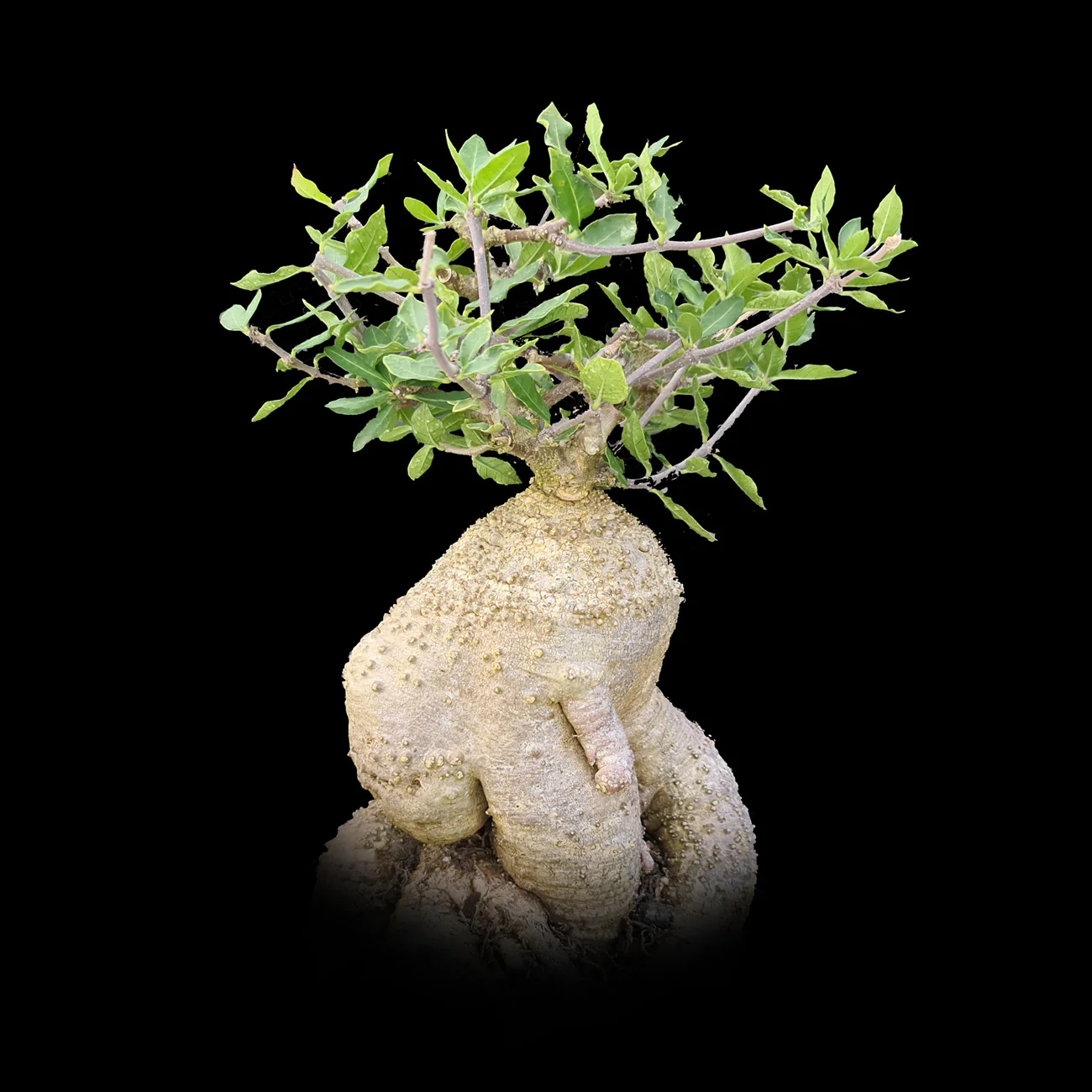
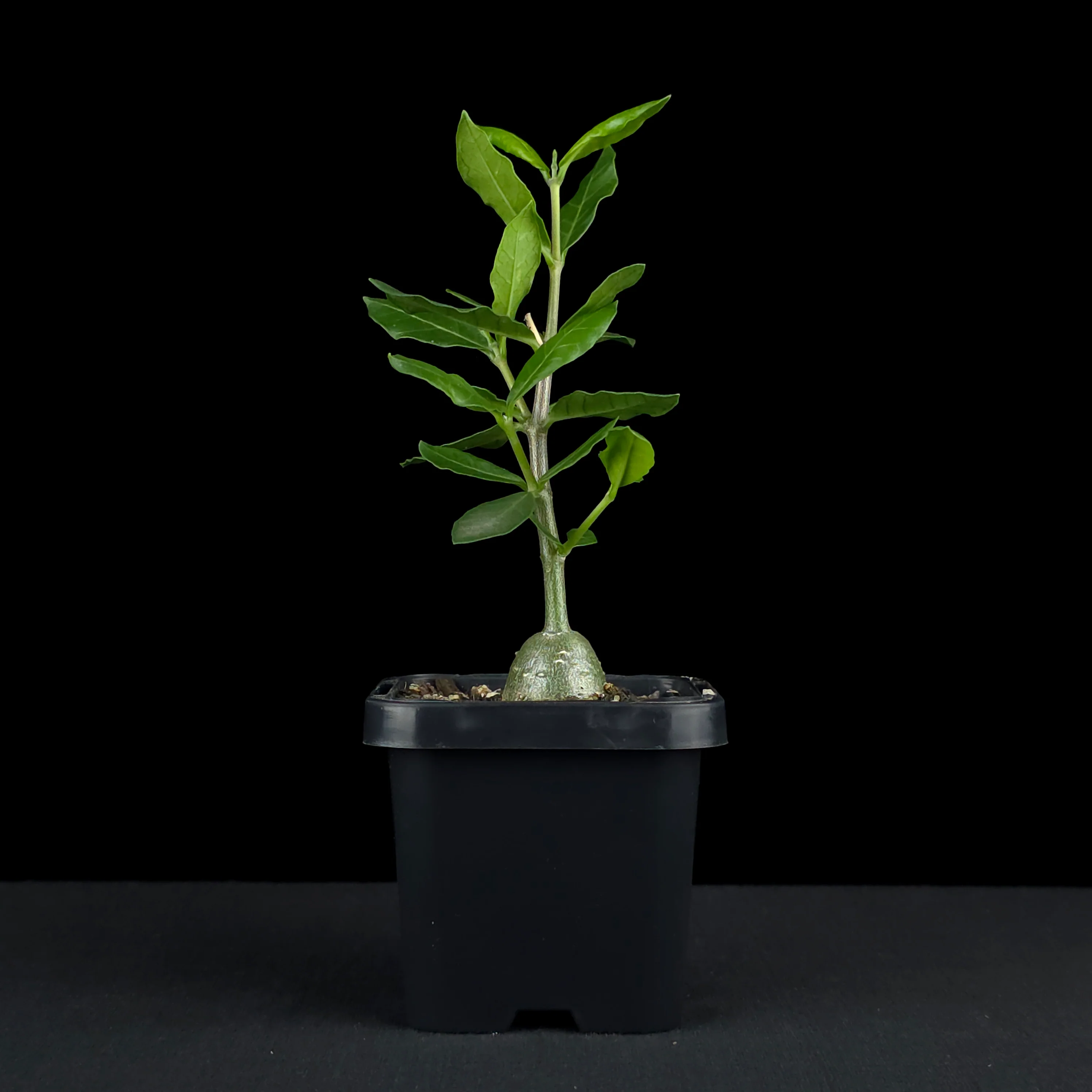
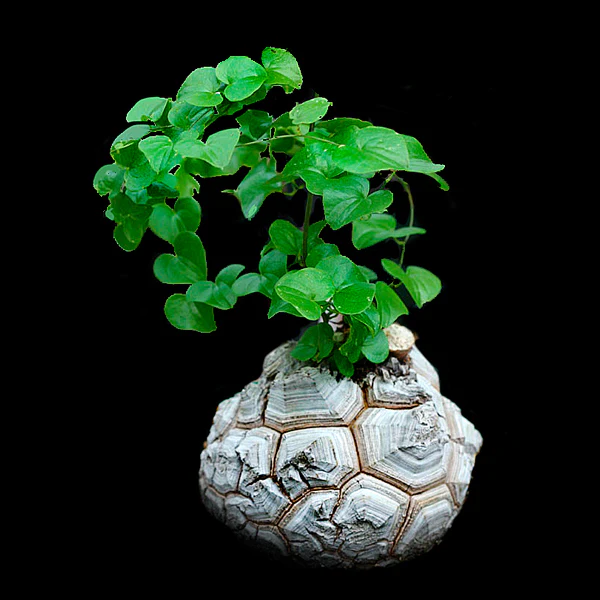
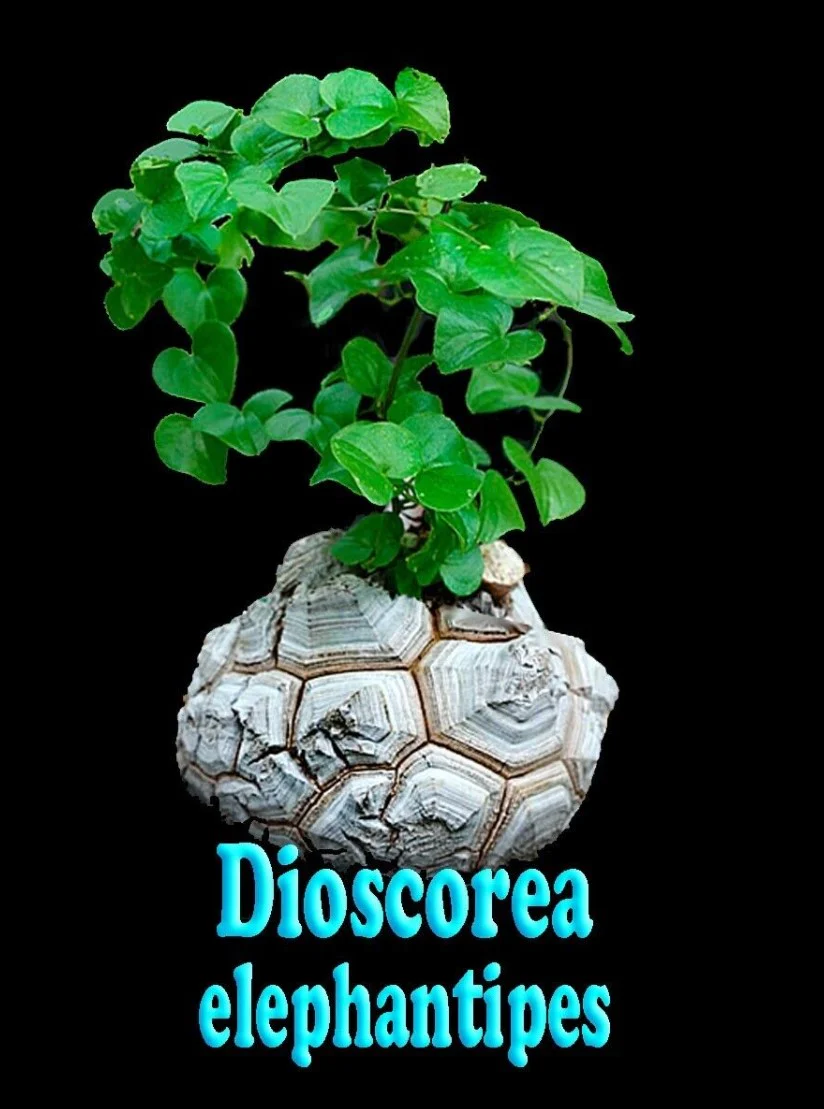
Dioscorea elephantipes, commonly known as the Elephant's Foot or Turtle Back Plant, is a fascinating caudiciform succulent native to South Africa. This slow-growing plant develops a distinctive, cracked caudex that resembles the rugged bark of an elephant’s foot, making it highly sought after by collectors and enthusiasts.
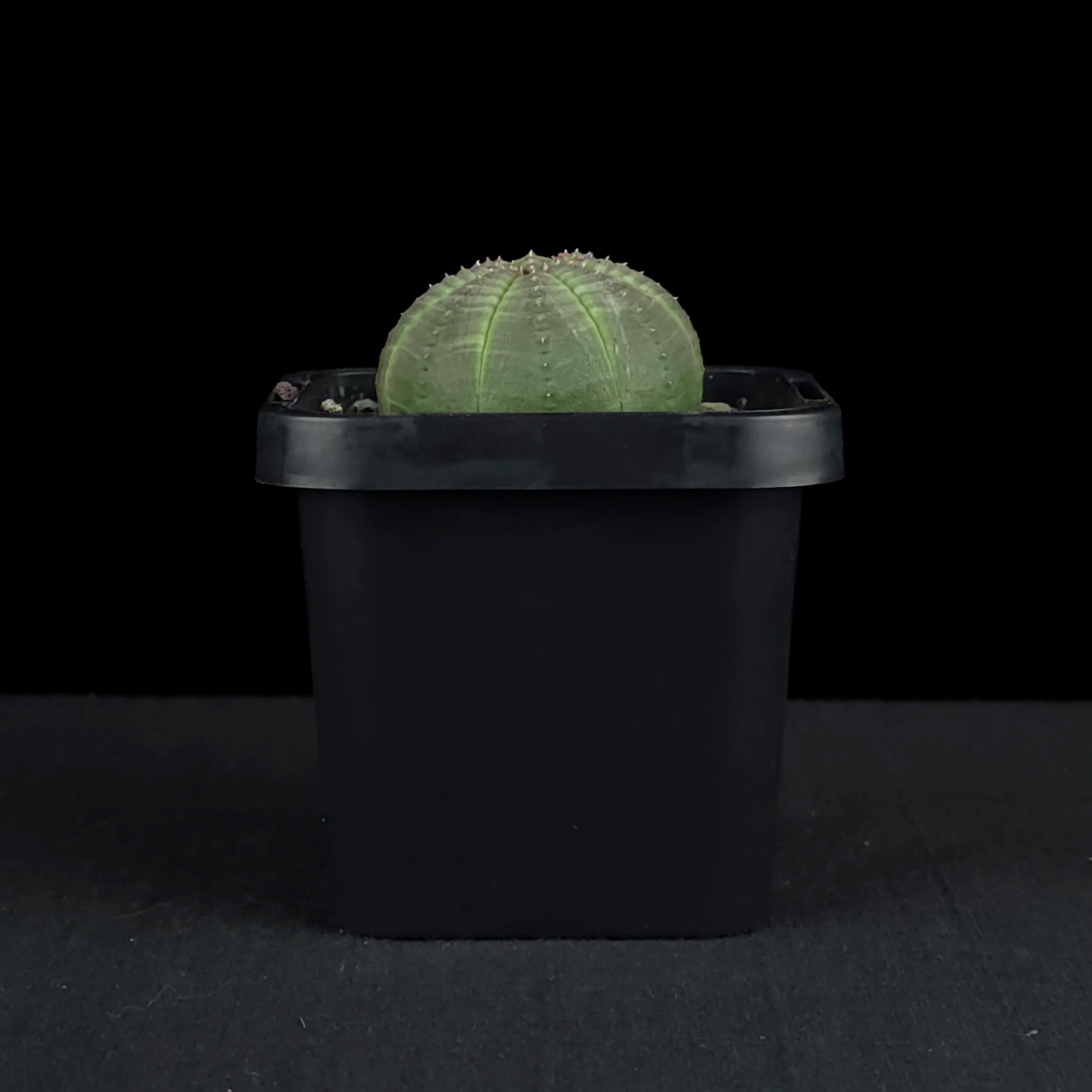
Please note that these are priced by the size of the caudex. Depending on the time of the year, the growth of the vine will vary and may also be dormant.
Distinctive Features:
- Large, woody caudex with a distinctive cracked surface resembling turtle shells.
- Vining, deciduous growth habit with twining stems that emerge seasonally.
- Heart-shaped, bright green leaves that appear during the growing season.
- Winter-growing species, going dormant in the hotter months.
- Can reach a caudex diameter of up to 60 cm with proper care over decades.
- Produces small, inconspicuous yellow-green flowers when mature.
Care Tips:
- Light: Prefers bright, indirect sunlight with some direct exposure; ideal for a sunny windowsill or greenhouse.
- Water: Water sparingly during the active growth period (autumn to spring), allowing the soil to dry between waterings. Reduce watering significantly during dormancy.
- Humidity: Tolerates low humidity levels, making it suitable for drier indoor conditions.
- Media: Requires a well-draining, sandy or gritty mix; cactus or succulent soil with added perlite works well.
- Temperature: Prefers temperatures between 10-25°C but can tolerate brief drops to 5°C. Protect from frost.
- Fertiliser: Feed with a diluted cactus fertiliser during the active growing season every 4-6 weeks.
- Repotting: Rarely needs repotting; only repot when the caudex outgrows its container.
- Currently entering into summer dormancy. May not have active foliage. (1-11-25)
Original: $30.00
-70%$30.00
$9.00Product Information
Product Information
Shipping & Returns
Shipping & Returns
Description
Dioscorea elephantipes, commonly known as the Elephant's Foot or Turtle Back Plant, is a fascinating caudiciform succulent native to South Africa. This slow-growing plant develops a distinctive, cracked caudex that resembles the rugged bark of an elephant’s foot, making it highly sought after by collectors and enthusiasts.
Please note that these are priced by the size of the caudex. Depending on the time of the year, the growth of the vine will vary and may also be dormant.
Distinctive Features:
- Large, woody caudex with a distinctive cracked surface resembling turtle shells.
- Vining, deciduous growth habit with twining stems that emerge seasonally.
- Heart-shaped, bright green leaves that appear during the growing season.
- Winter-growing species, going dormant in the hotter months.
- Can reach a caudex diameter of up to 60 cm with proper care over decades.
- Produces small, inconspicuous yellow-green flowers when mature.
Care Tips:
- Light: Prefers bright, indirect sunlight with some direct exposure; ideal for a sunny windowsill or greenhouse.
- Water: Water sparingly during the active growth period (autumn to spring), allowing the soil to dry between waterings. Reduce watering significantly during dormancy.
- Humidity: Tolerates low humidity levels, making it suitable for drier indoor conditions.
- Media: Requires a well-draining, sandy or gritty mix; cactus or succulent soil with added perlite works well.
- Temperature: Prefers temperatures between 10-25°C but can tolerate brief drops to 5°C. Protect from frost.
- Fertiliser: Feed with a diluted cactus fertiliser during the active growing season every 4-6 weeks.
- Repotting: Rarely needs repotting; only repot when the caudex outgrows its container.
- Currently entering into summer dormancy. May not have active foliage. (1-11-25)