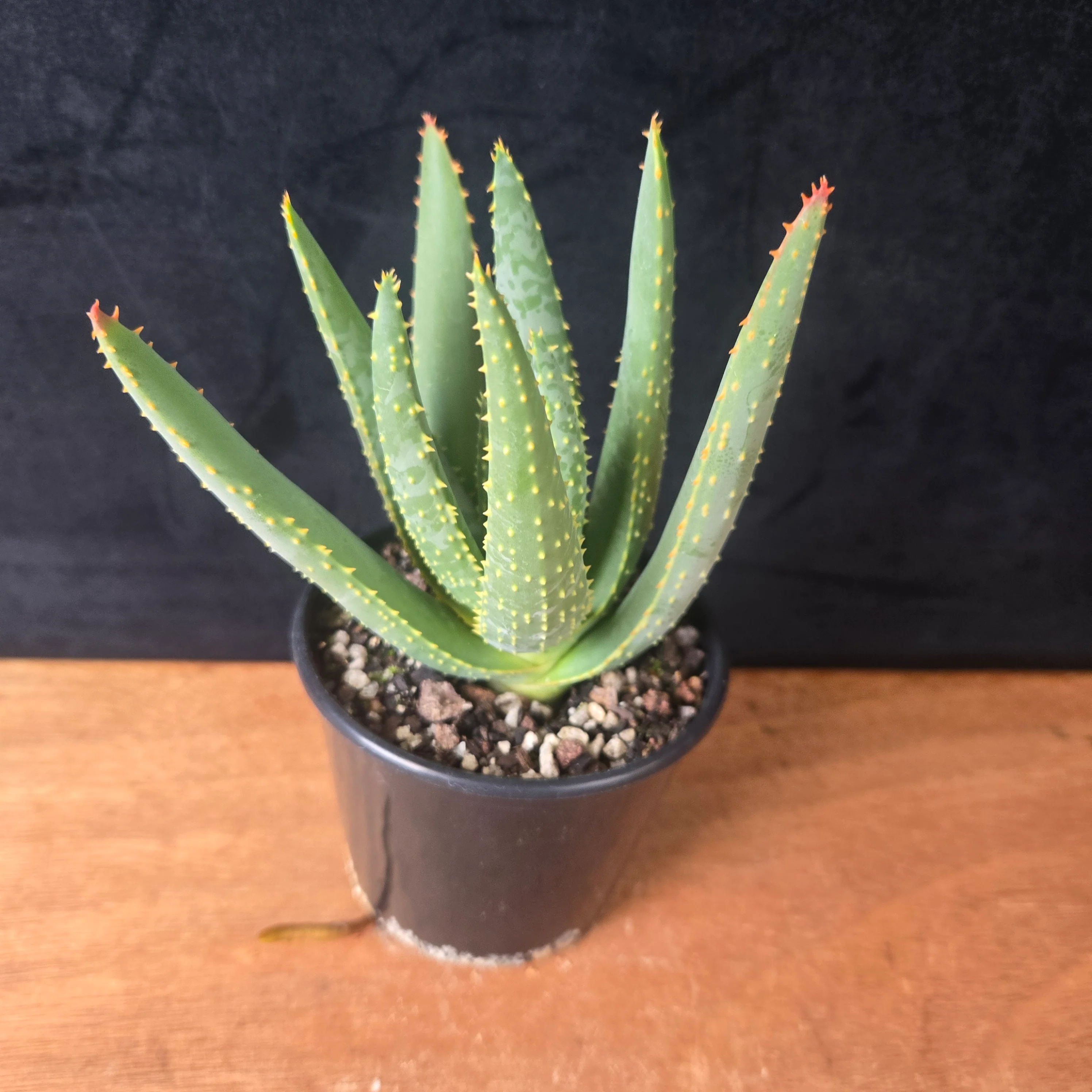
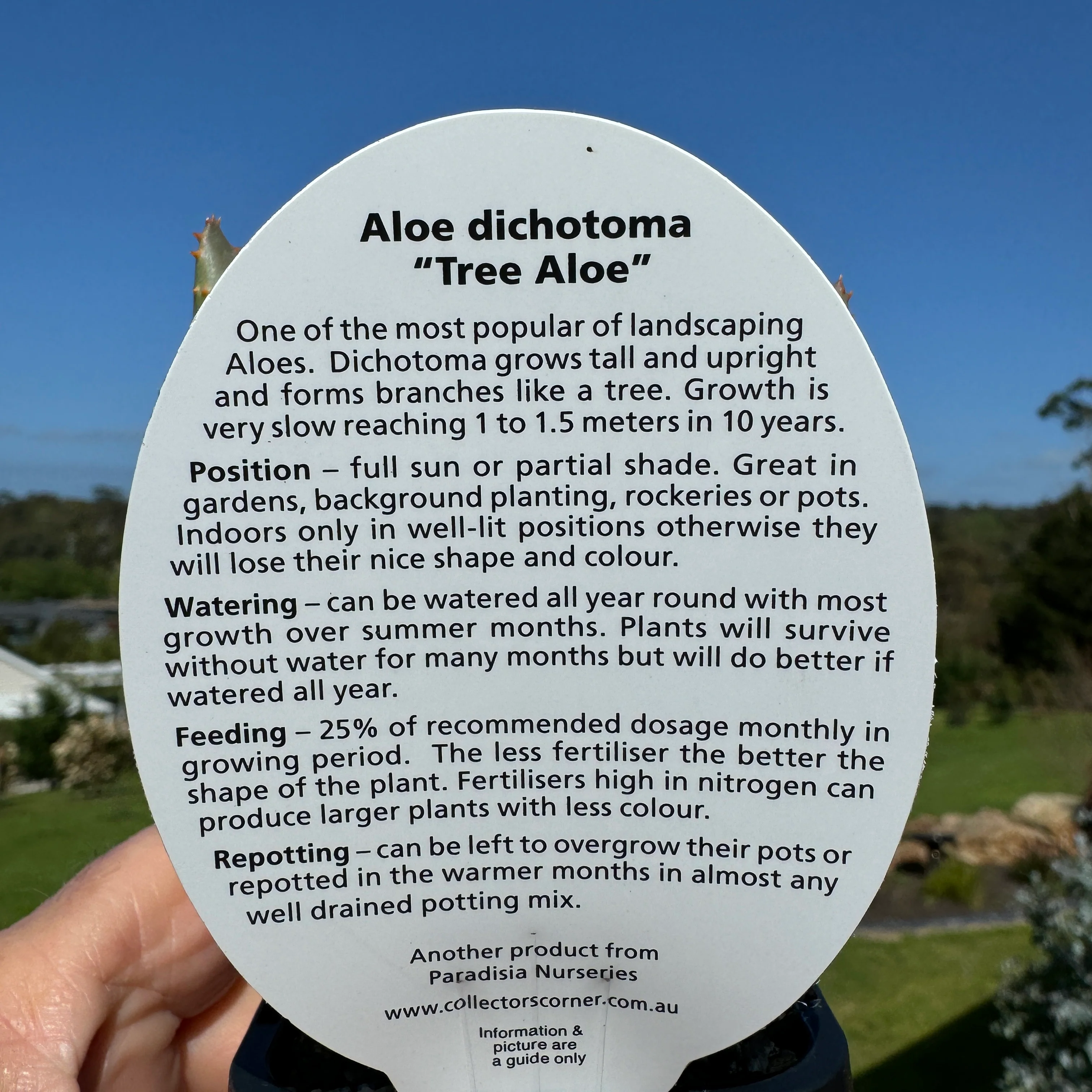
Aloe dichotoma - Quiver Tree
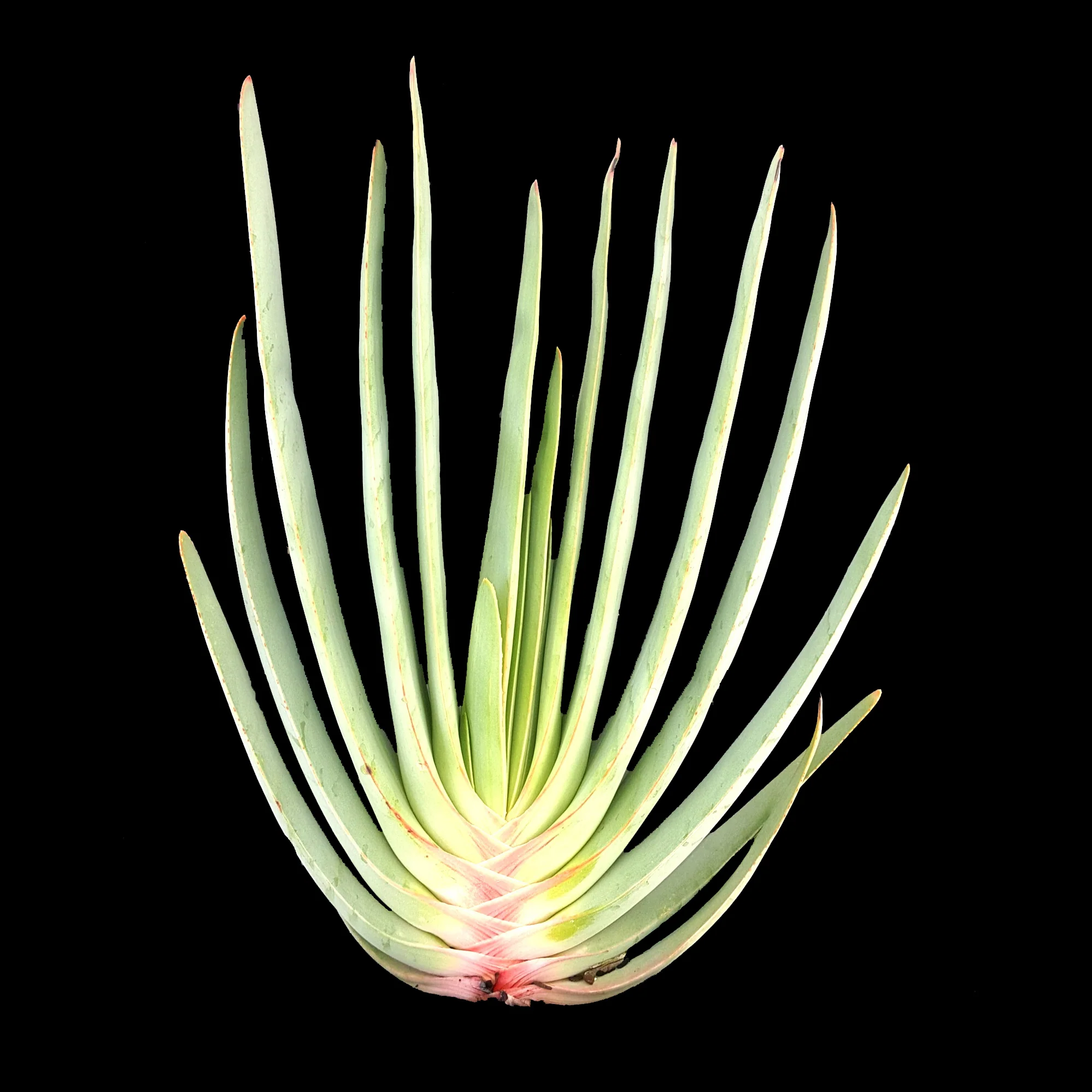
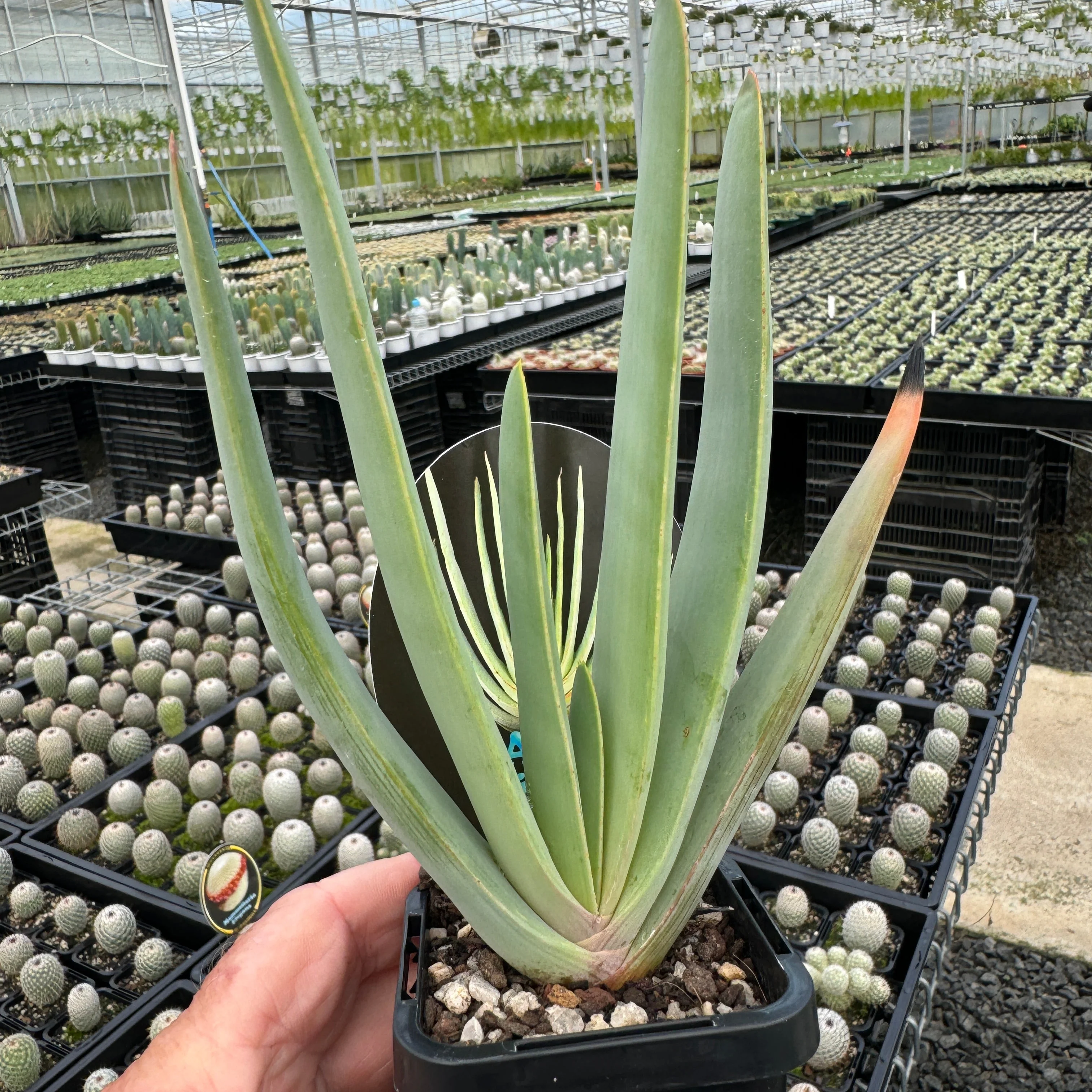
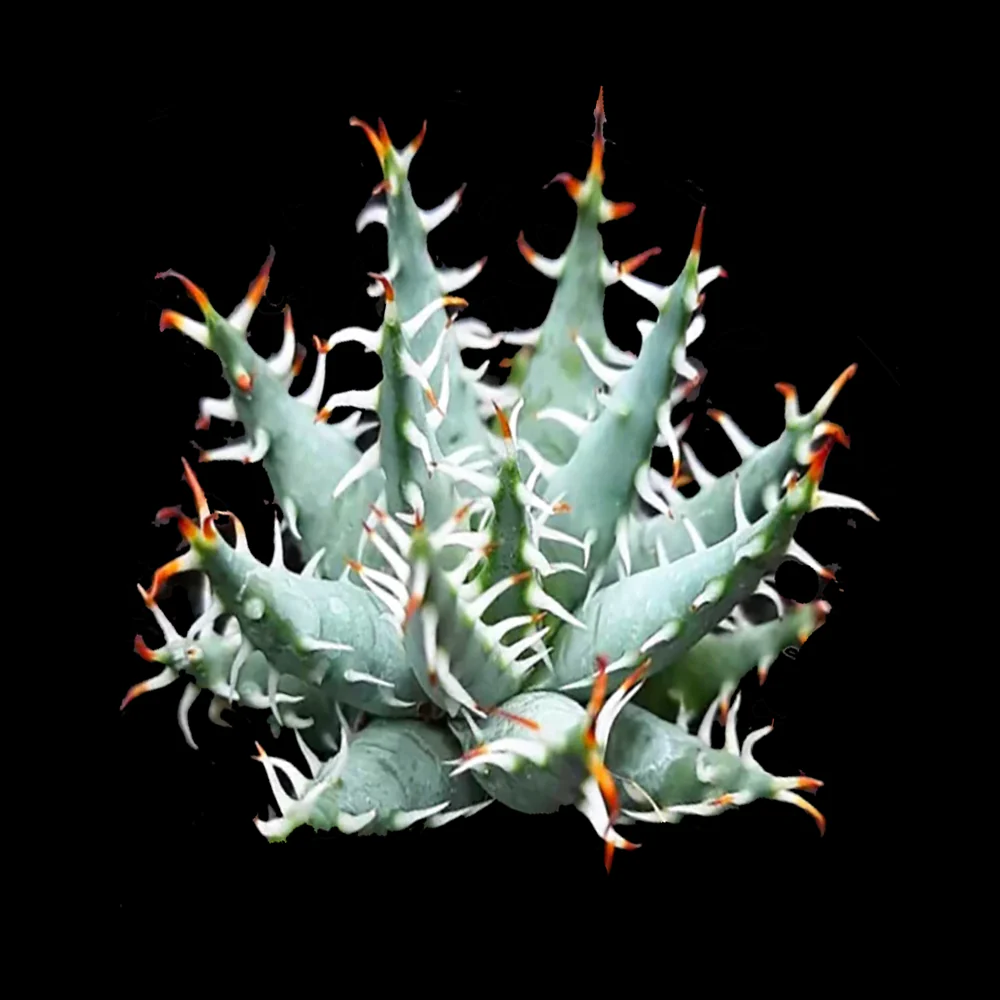
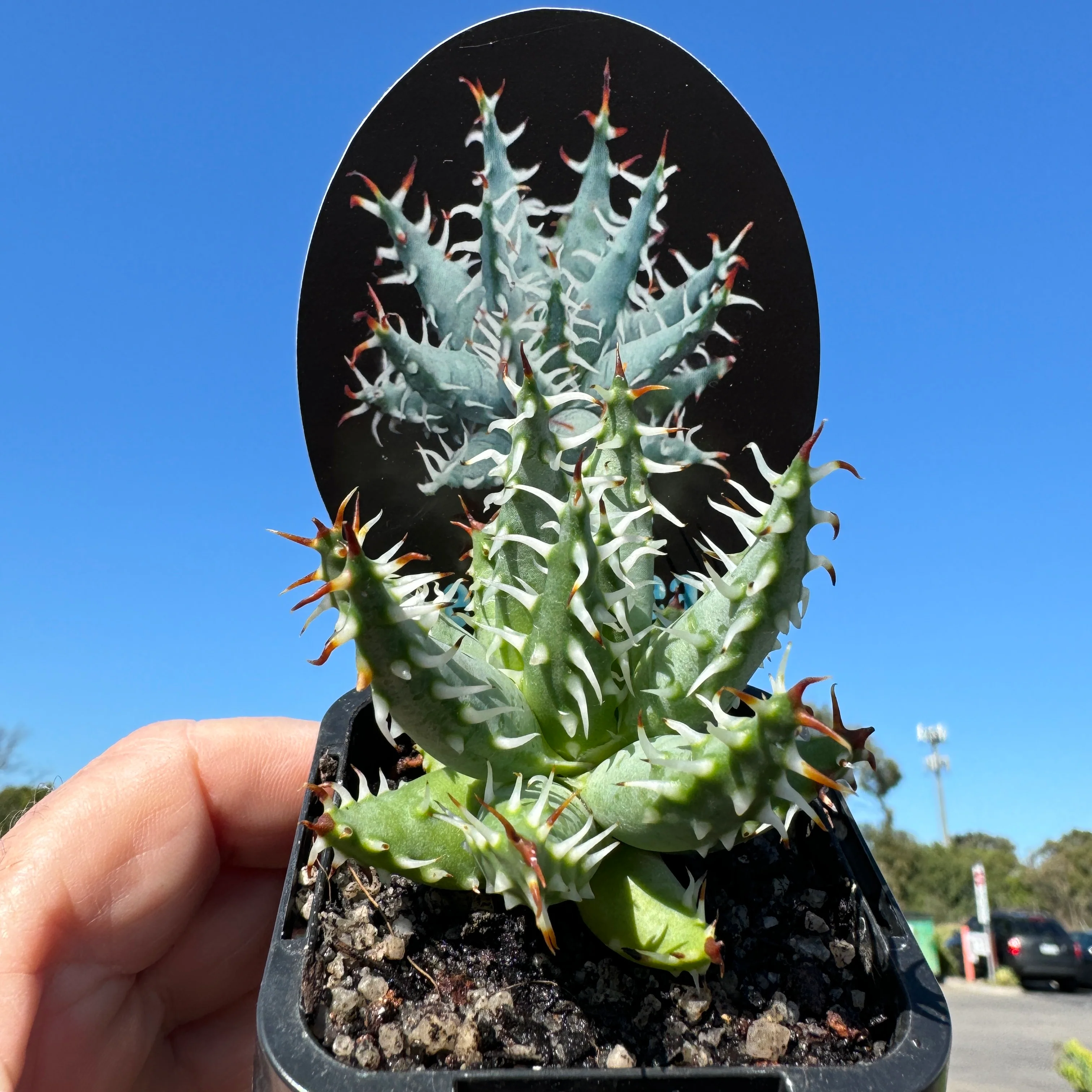
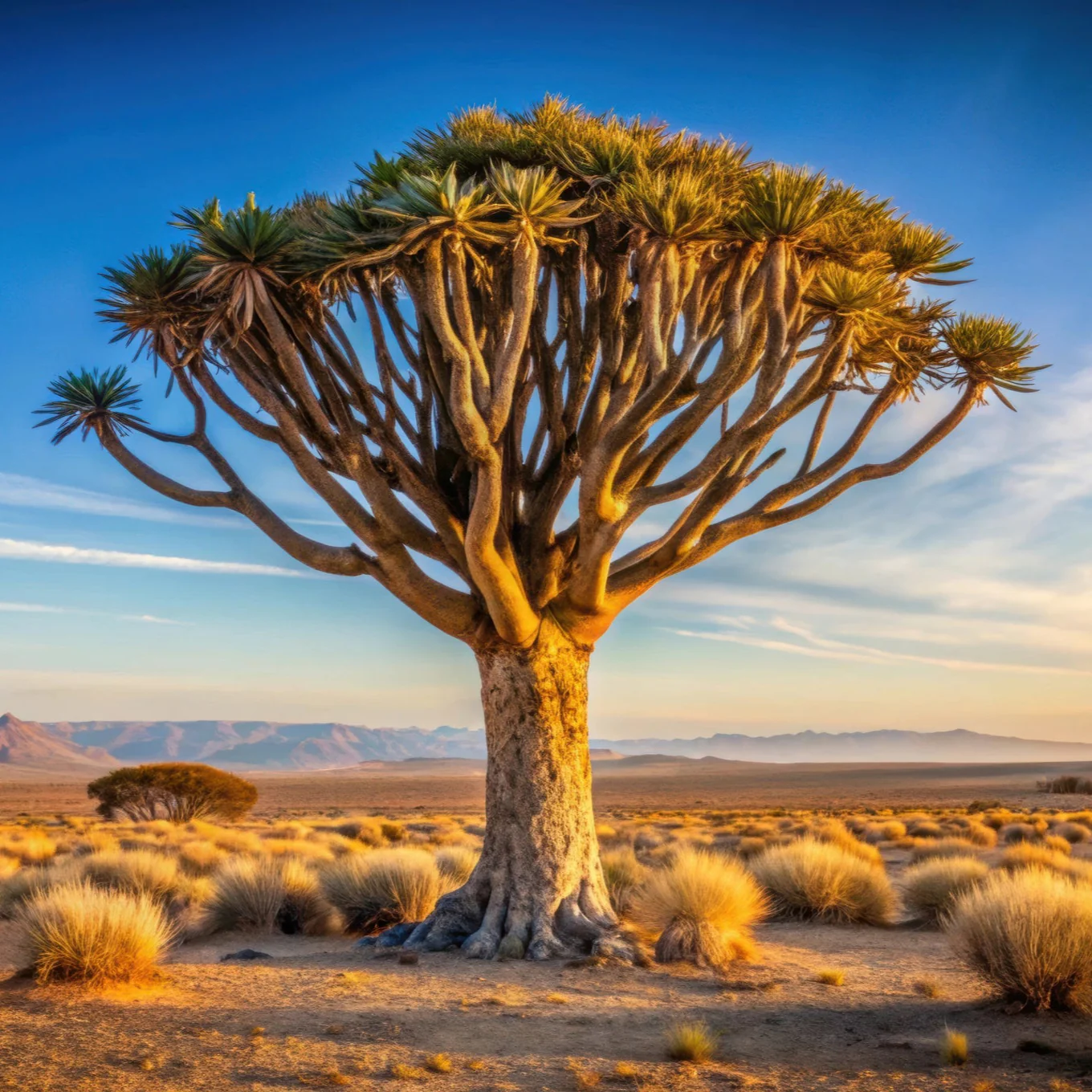
Aloe dichotoma, commonly called the quiver tree, is an arborescent aloe native to the hot, dry regions of Namibia and South Africa. This iconic species gets its name from the indigenous San people, who traditionally used its hollowed branches to make quivers for arrows. Flourishing in rocky desert terrains, it creates an imposing silhouette against the skyline and is one of the few aloes that can reach tree-like proportions.
Distinctive Features
- Forked Branching: Its name 'dichotoma' refers to the repeated forked branching pattern of its upright limbs.
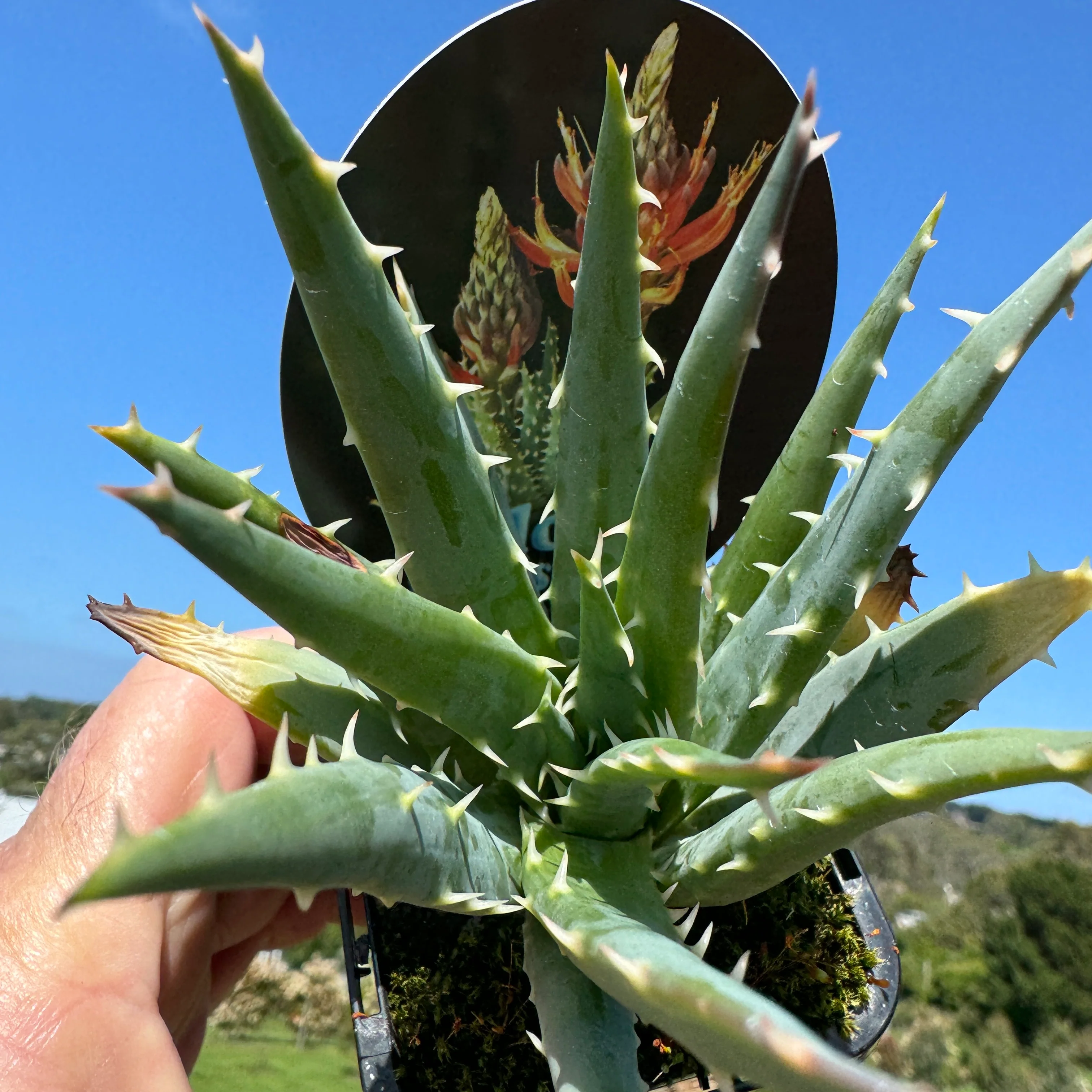
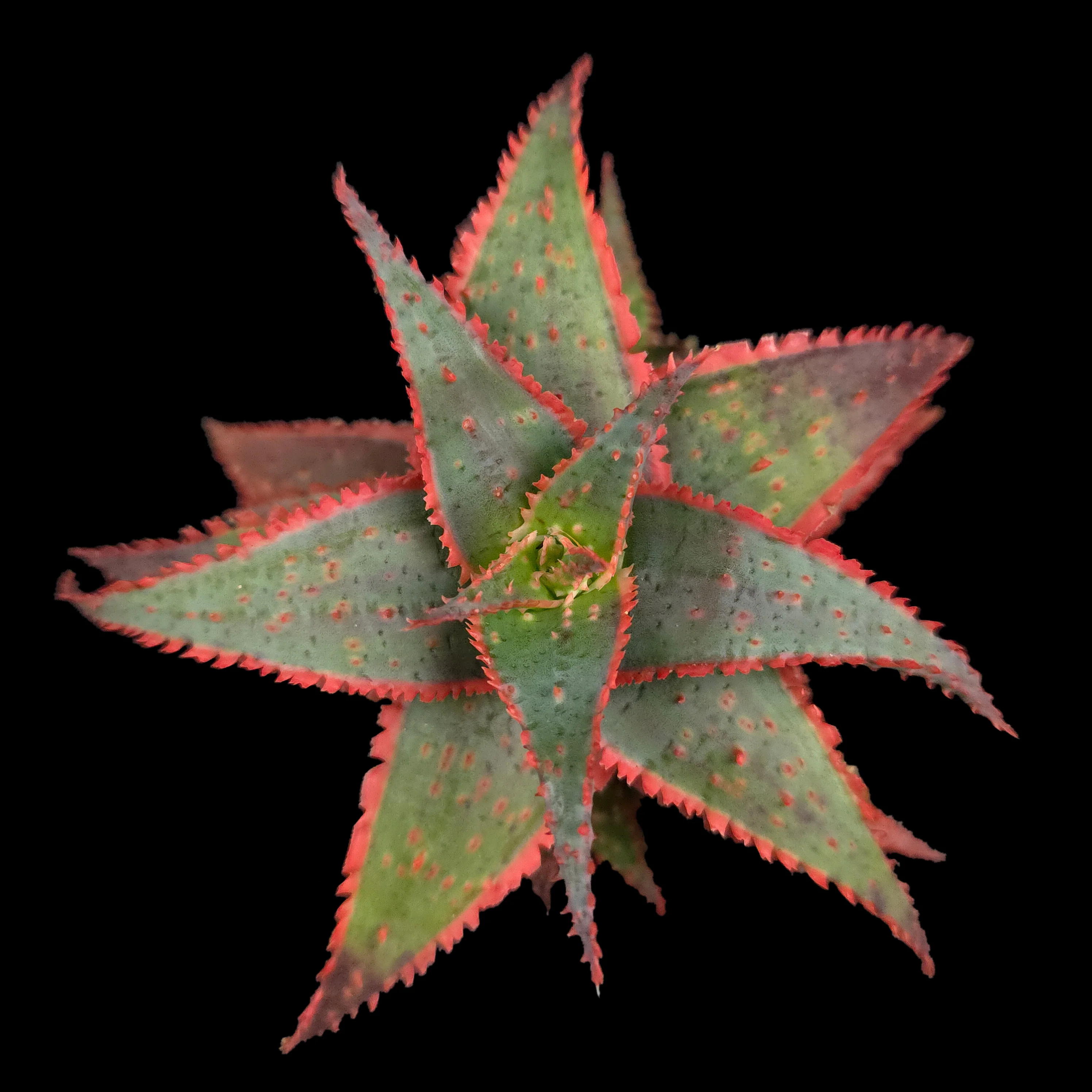
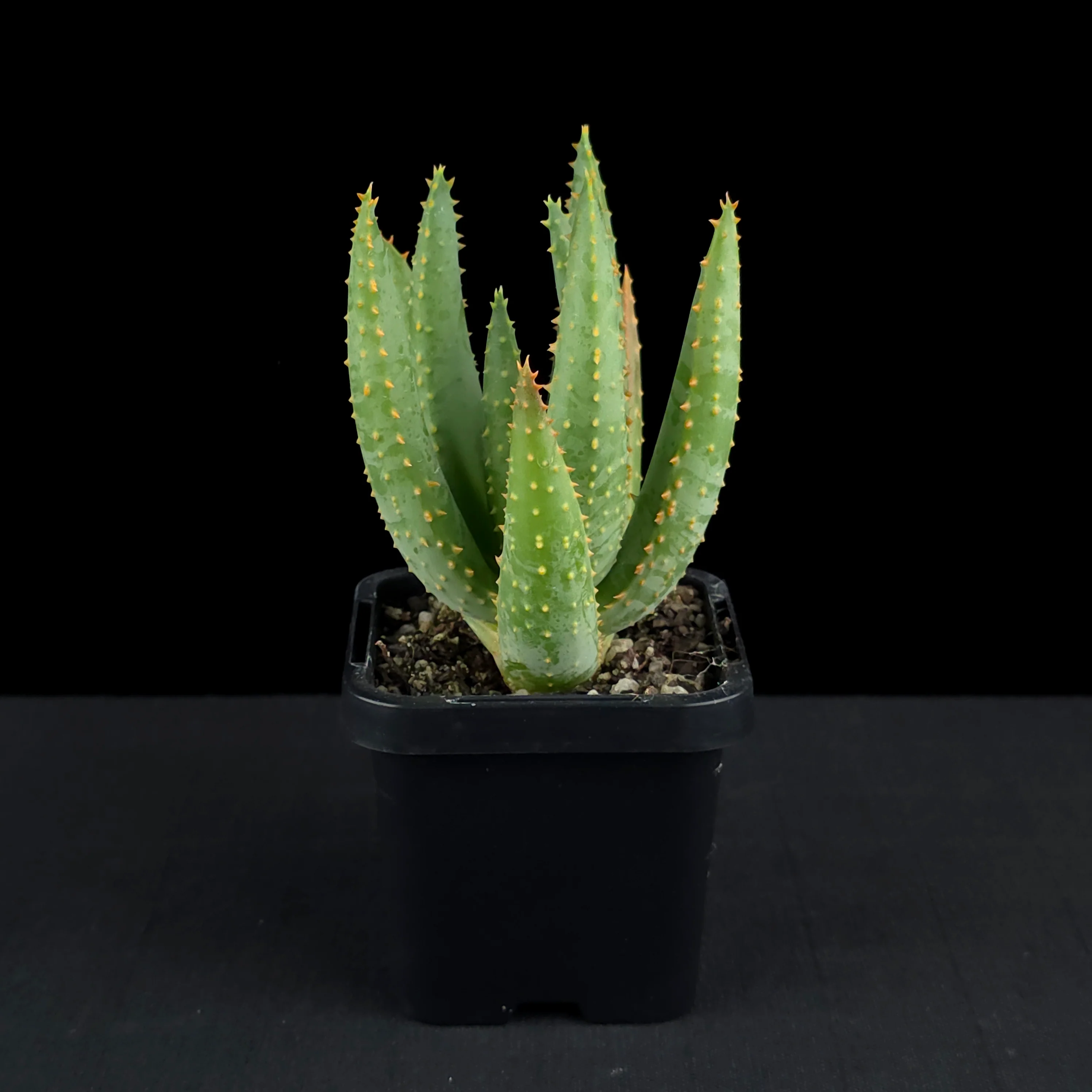
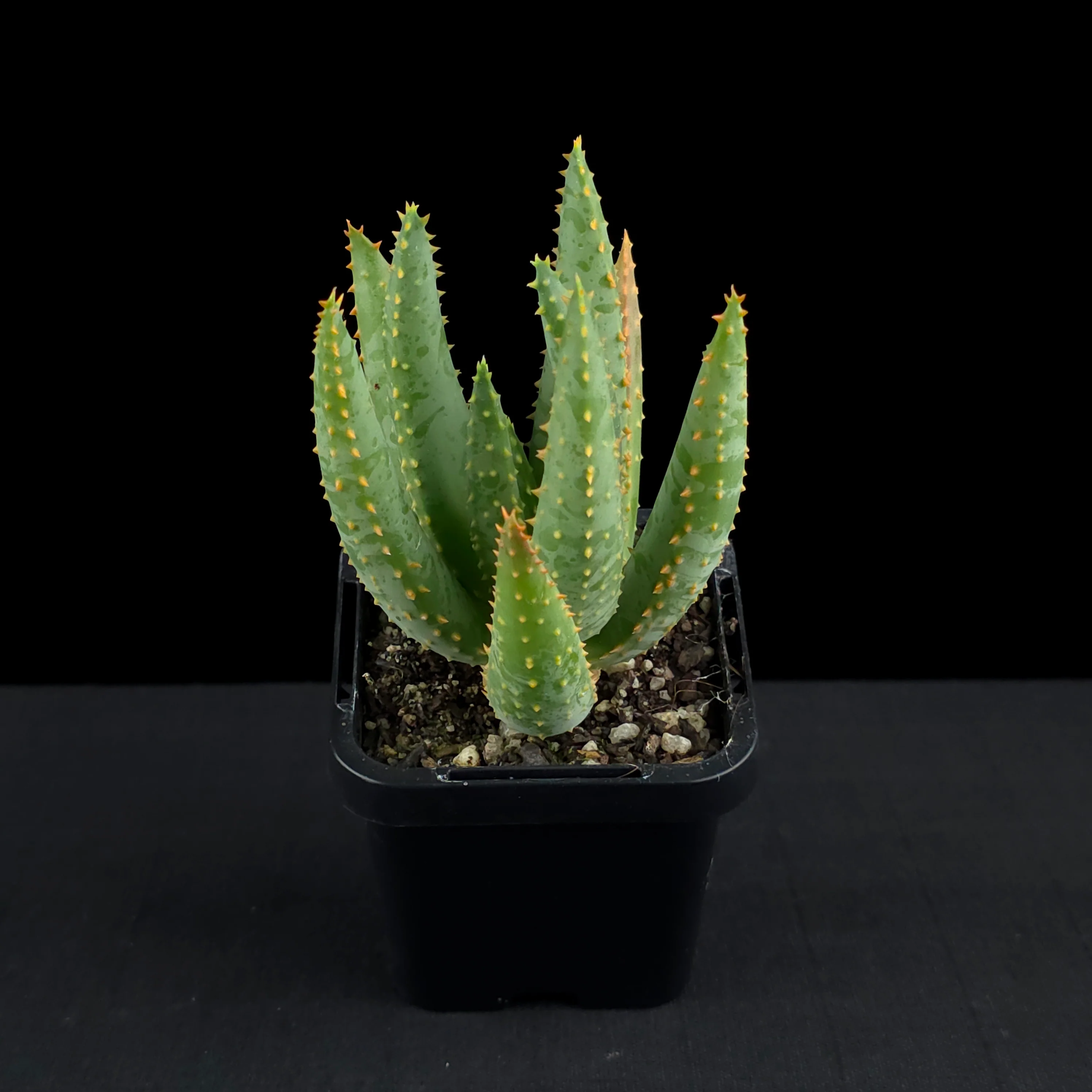
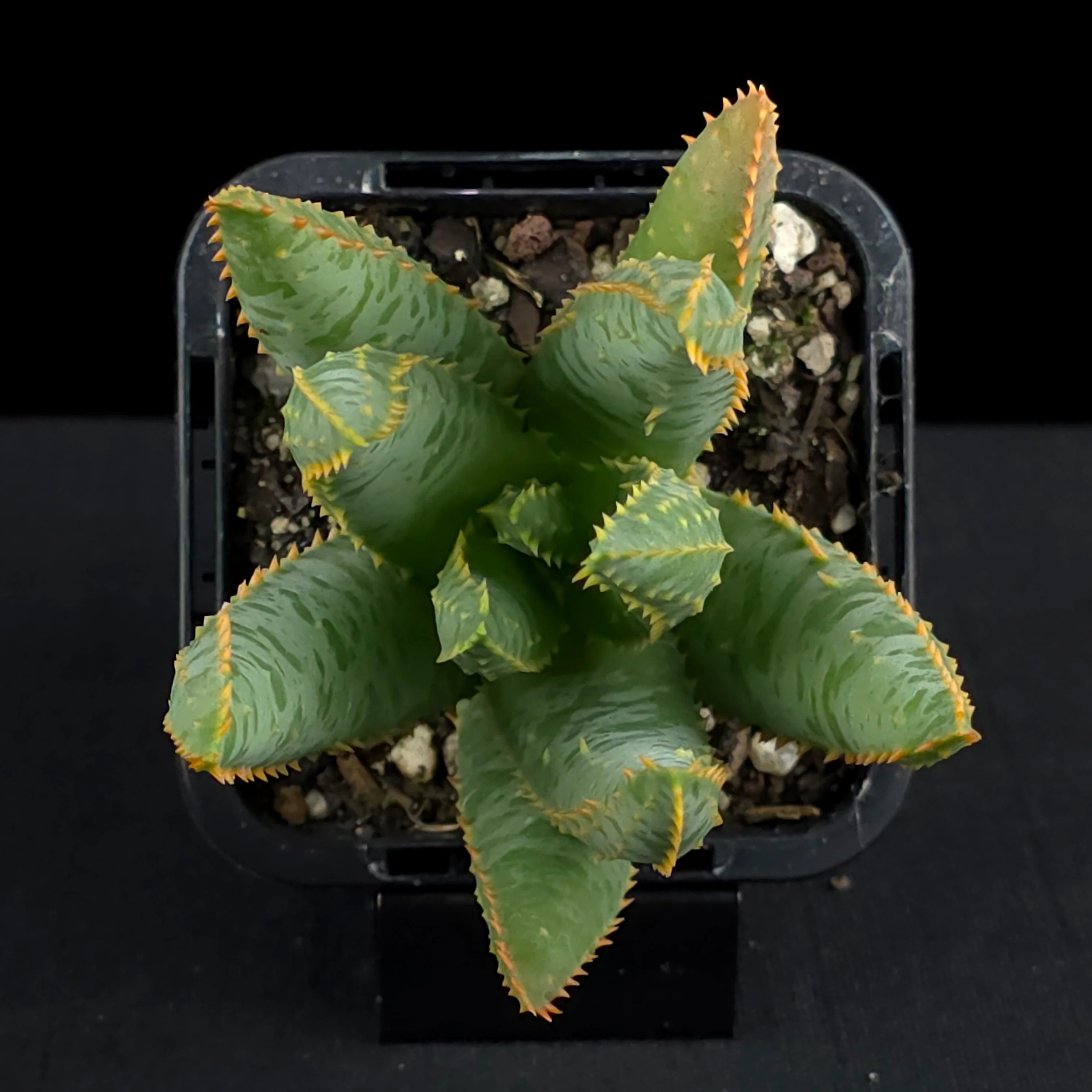
- Rosette Leaves: Thick, succulent leaves form compact rosettes at each branch tip, with a blue-green waxy hue that reflects sunlight.
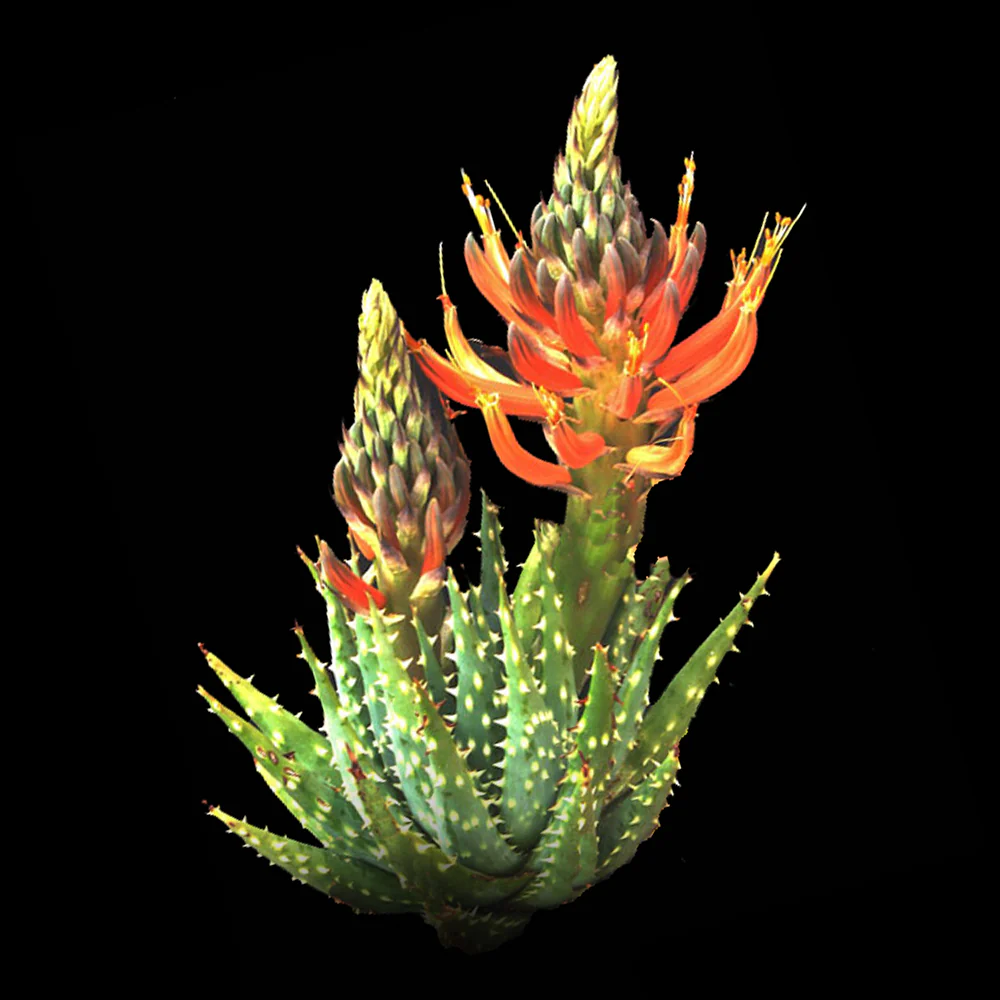
- Yellow Blooms: In summer, clusters of bright yellow tubular flowers emerge, attracting sunbirds and insects.
Care Tips
- Light: Requires full sun; thrives in bright, unshaded environments.
- Water: Minimal watering is needed; drought-tolerant once established.
- Humidity: Prefers arid conditions; avoid high humidity environments.
- Media: Well-draining, sandy or gritty cactus mix is ideal.
- Temperature: Best grown in warm climates; tolerates occasional light frost.
- Fertiliser: Use a balanced, low-nitrogen fertiliser sparingly during the growing season.
- Repotting: Rarely needed due to slow growth; only repot when rootbound.
Original: $24.50
-70%$24.50
$7.35Product Information
Product Information
Shipping & Returns
Shipping & Returns
Description
Aloe dichotoma, commonly called the quiver tree, is an arborescent aloe native to the hot, dry regions of Namibia and South Africa. This iconic species gets its name from the indigenous San people, who traditionally used its hollowed branches to make quivers for arrows. Flourishing in rocky desert terrains, it creates an imposing silhouette against the skyline and is one of the few aloes that can reach tree-like proportions.
Distinctive Features
- Forked Branching: Its name 'dichotoma' refers to the repeated forked branching pattern of its upright limbs.
- Rosette Leaves: Thick, succulent leaves form compact rosettes at each branch tip, with a blue-green waxy hue that reflects sunlight.
- Yellow Blooms: In summer, clusters of bright yellow tubular flowers emerge, attracting sunbirds and insects.
Care Tips
- Light: Requires full sun; thrives in bright, unshaded environments.
- Water: Minimal watering is needed; drought-tolerant once established.
- Humidity: Prefers arid conditions; avoid high humidity environments.
- Media: Well-draining, sandy or gritty cactus mix is ideal.
- Temperature: Best grown in warm climates; tolerates occasional light frost.
- Fertiliser: Use a balanced, low-nitrogen fertiliser sparingly during the growing season.
- Repotting: Rarely needed due to slow growth; only repot when rootbound.