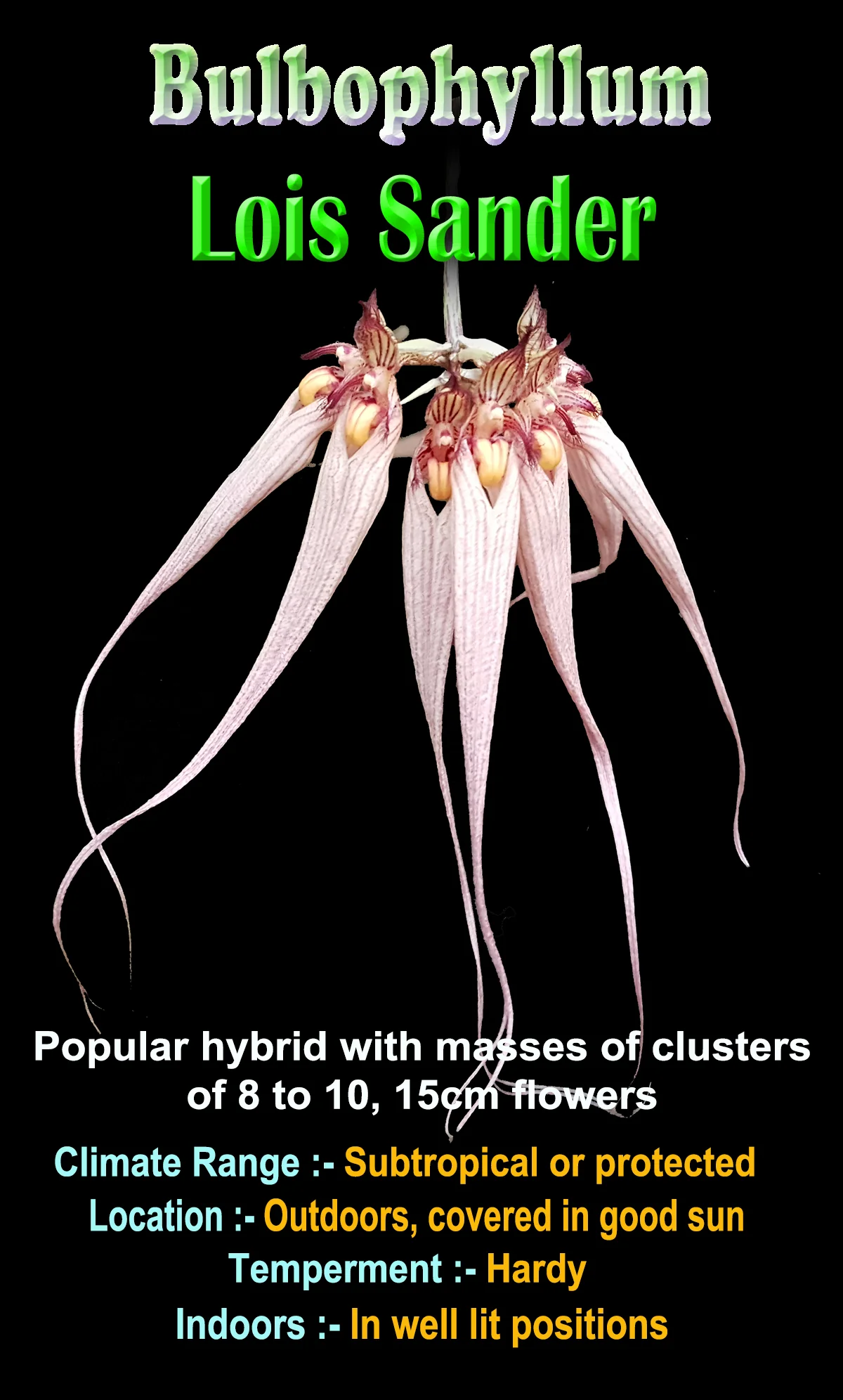
Bulbophyllum Louis Sander
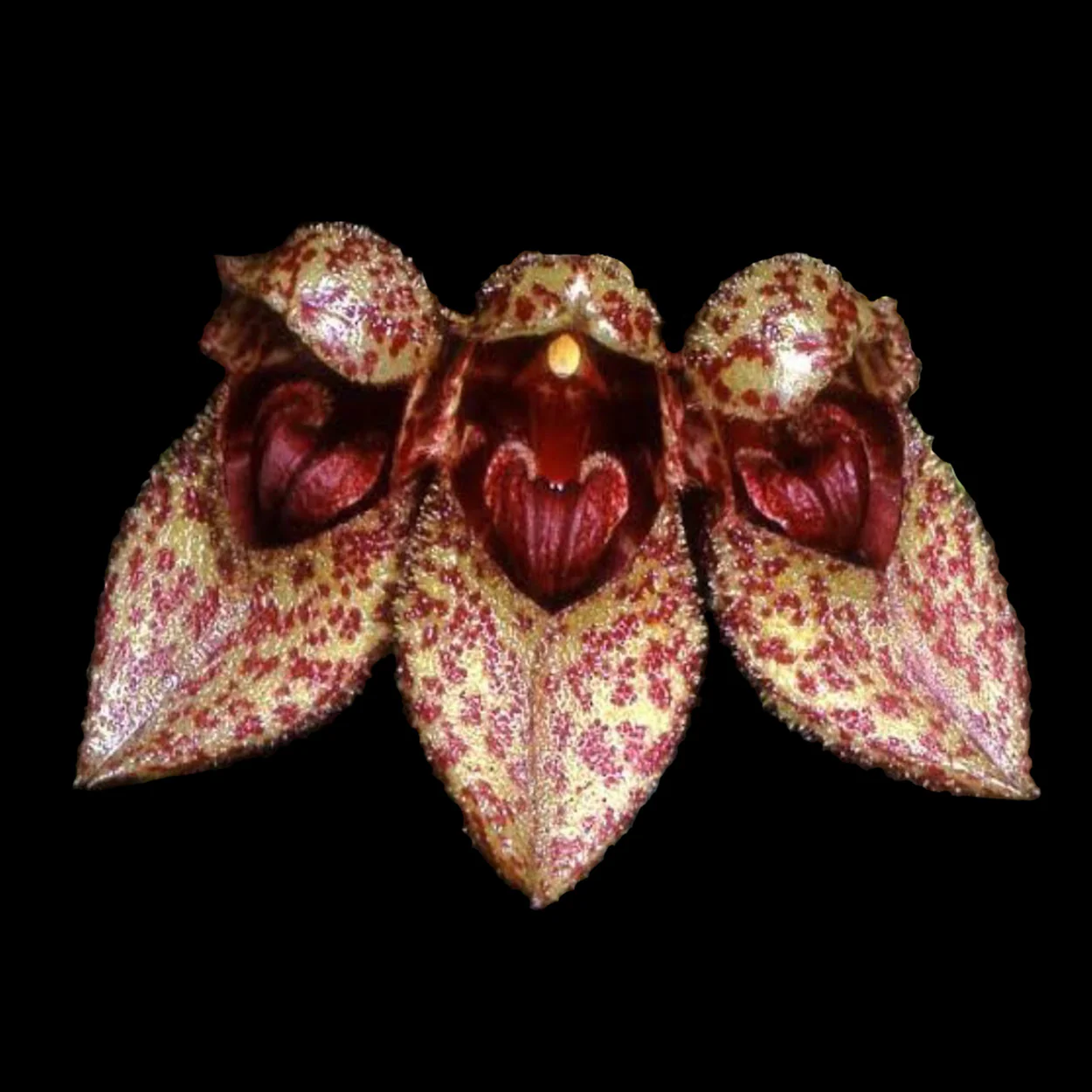
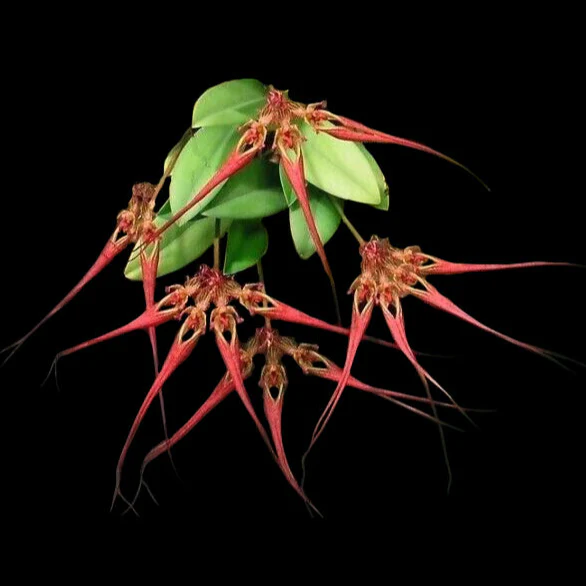
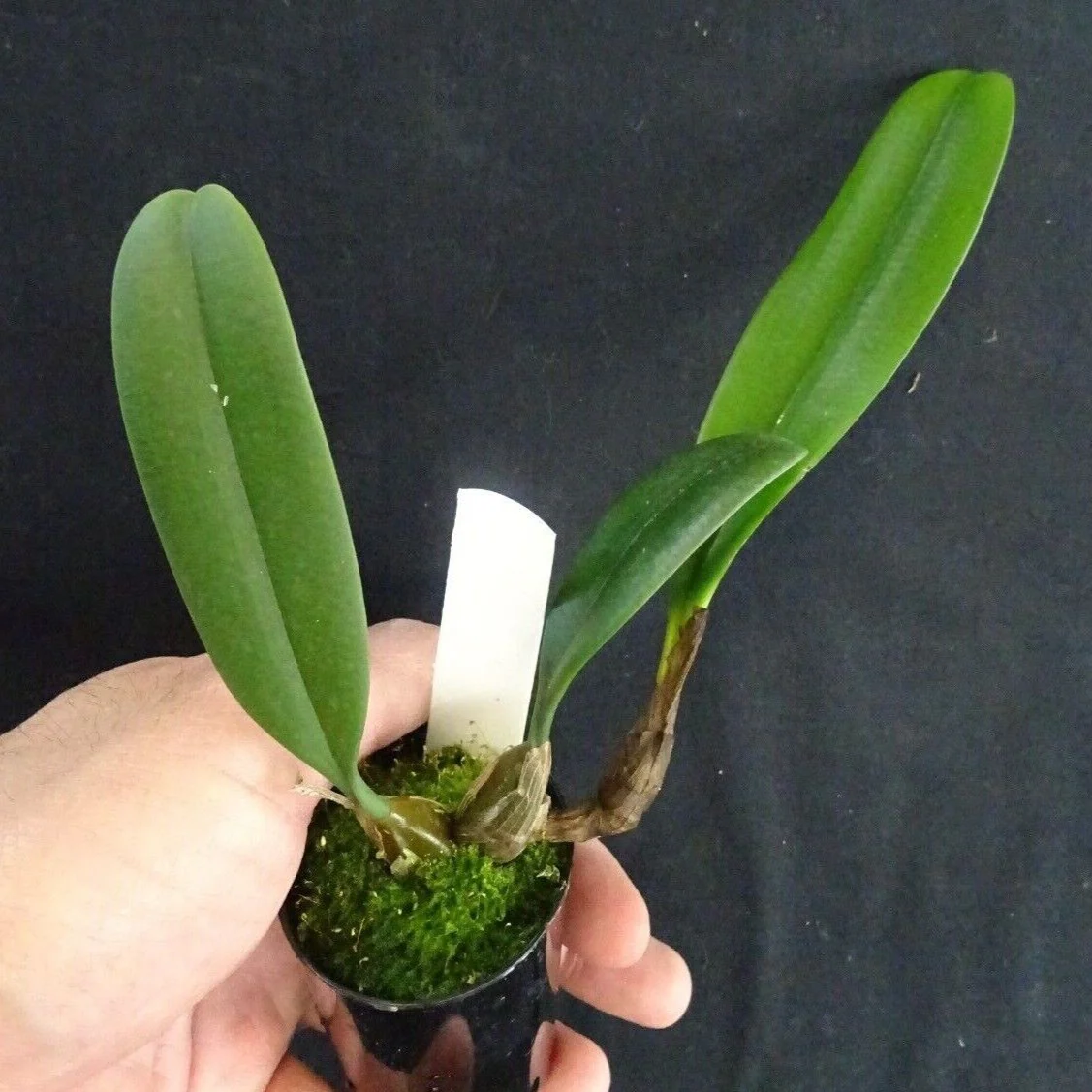
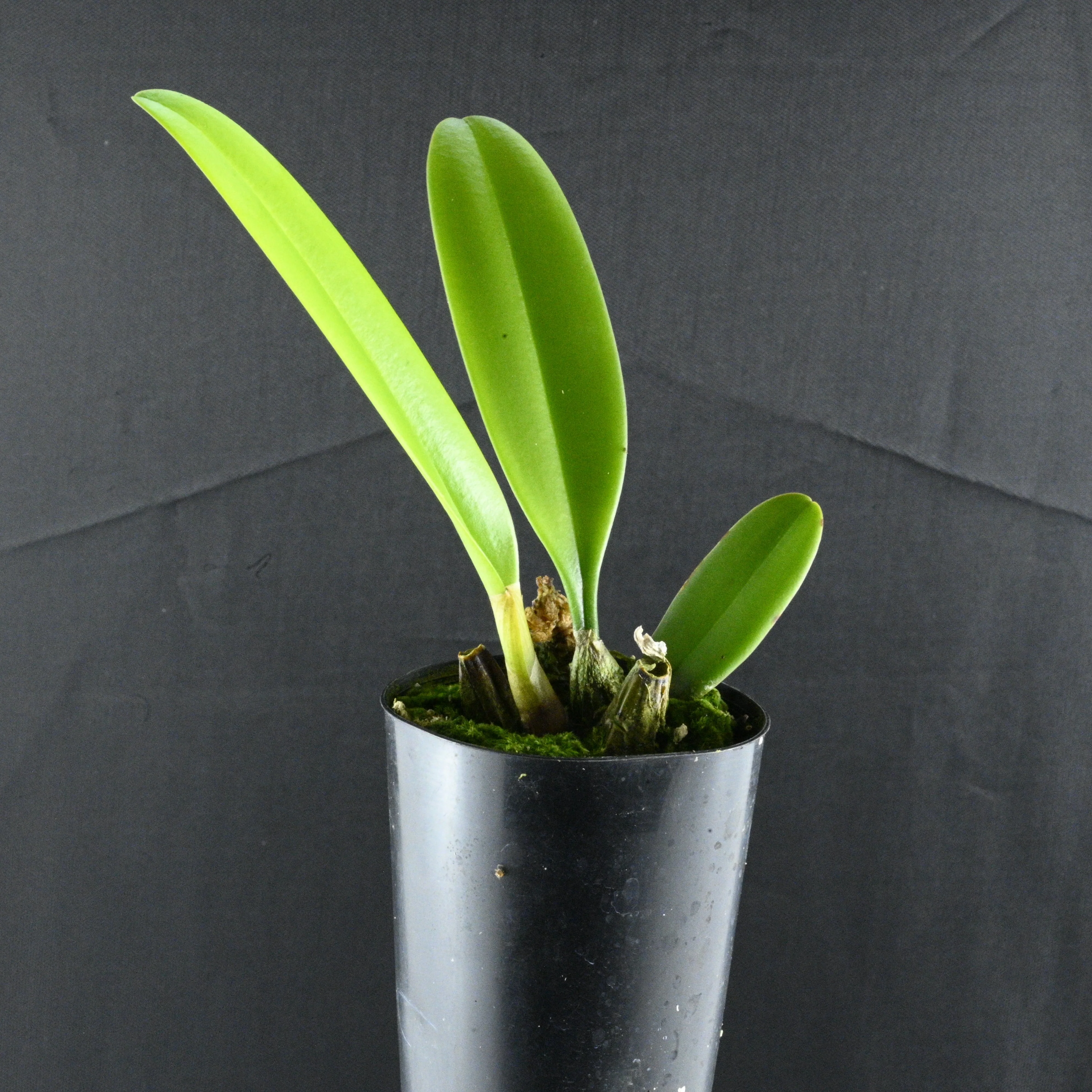
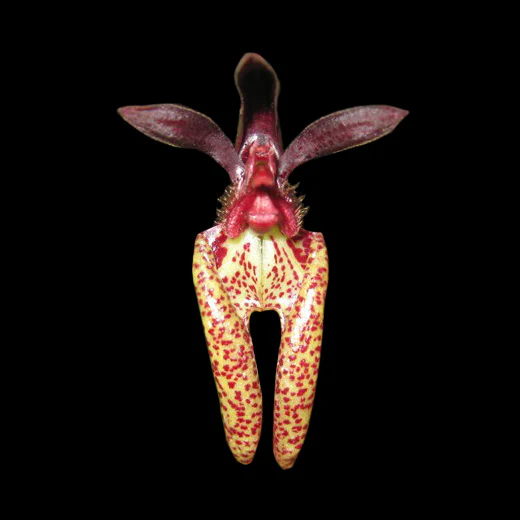
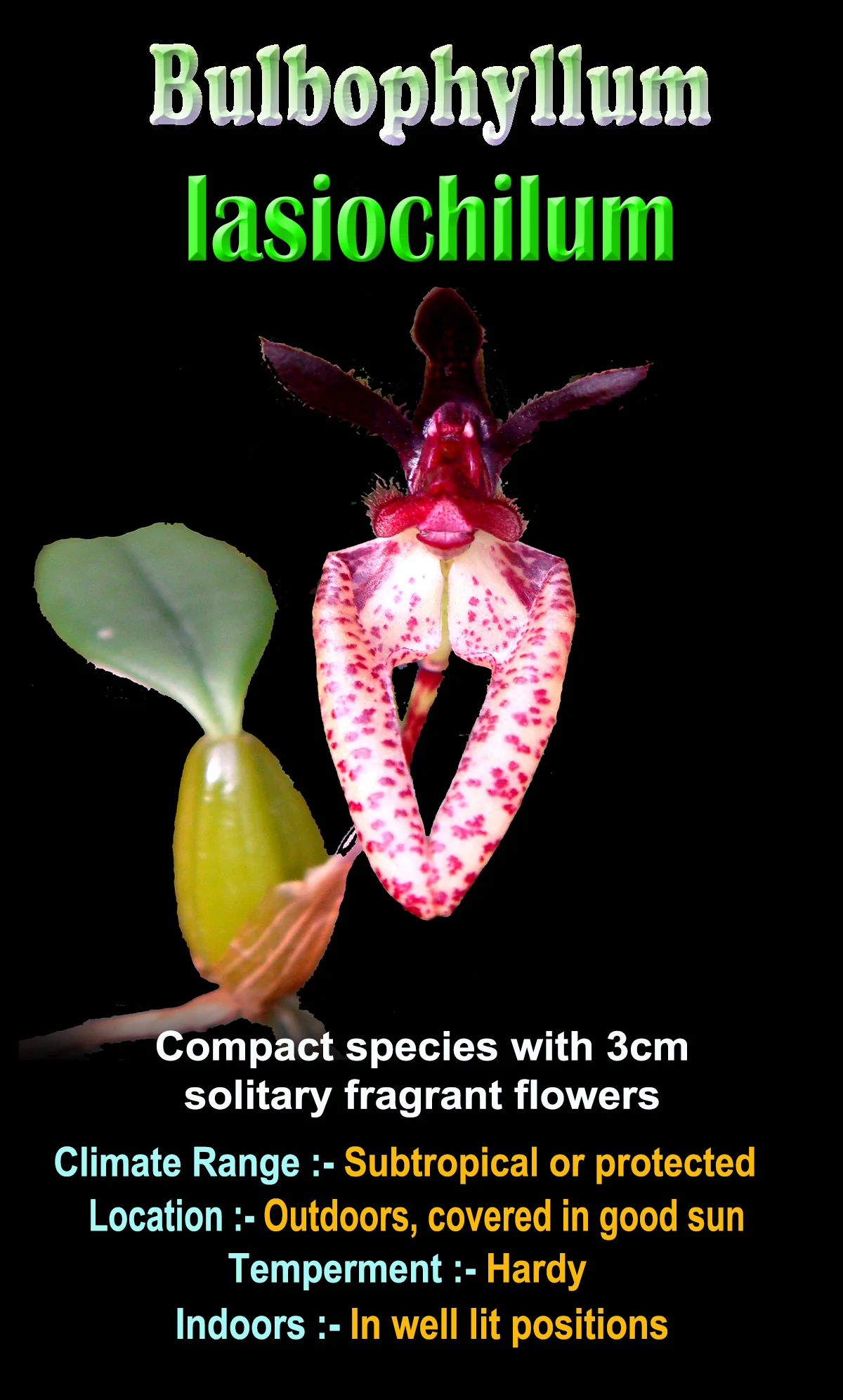
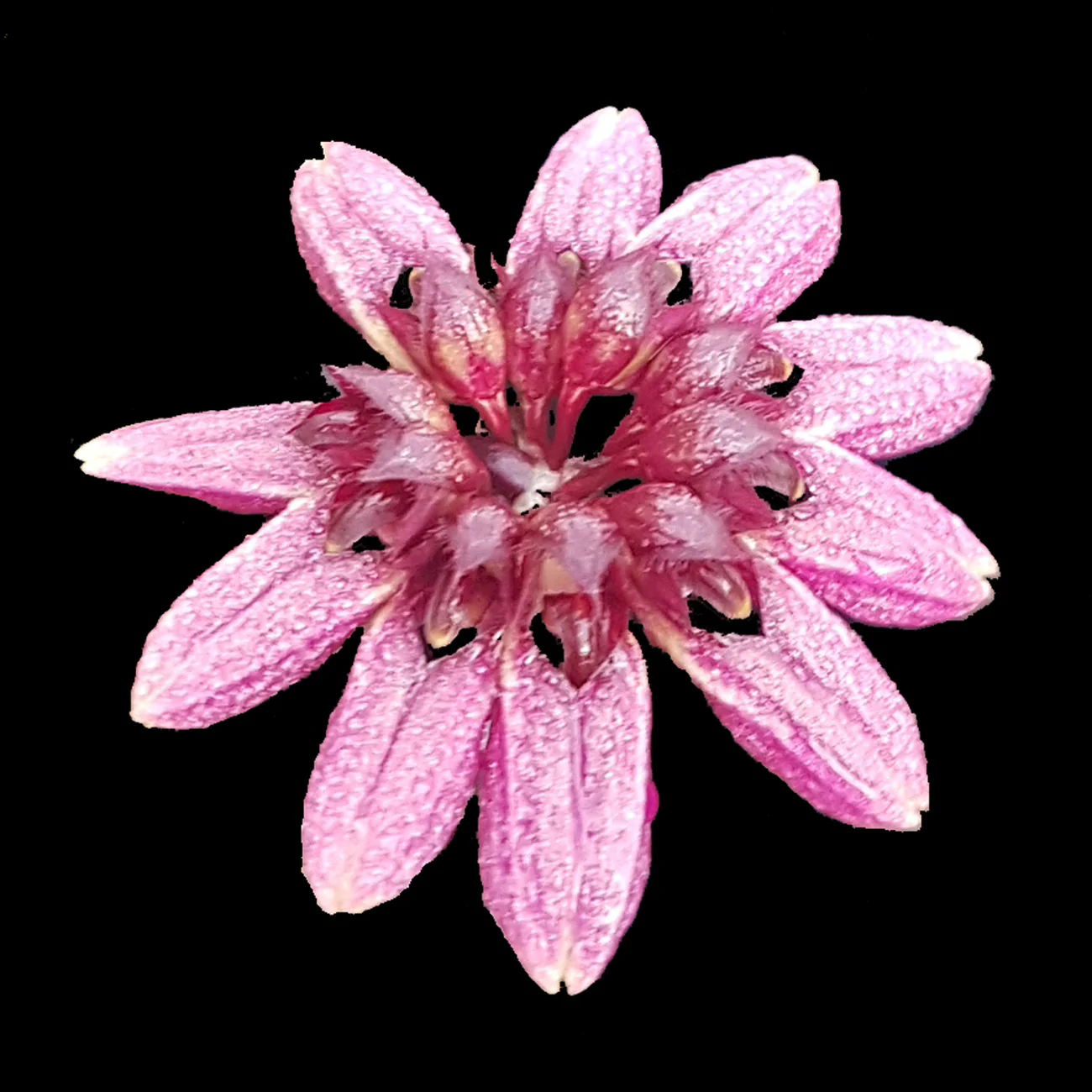
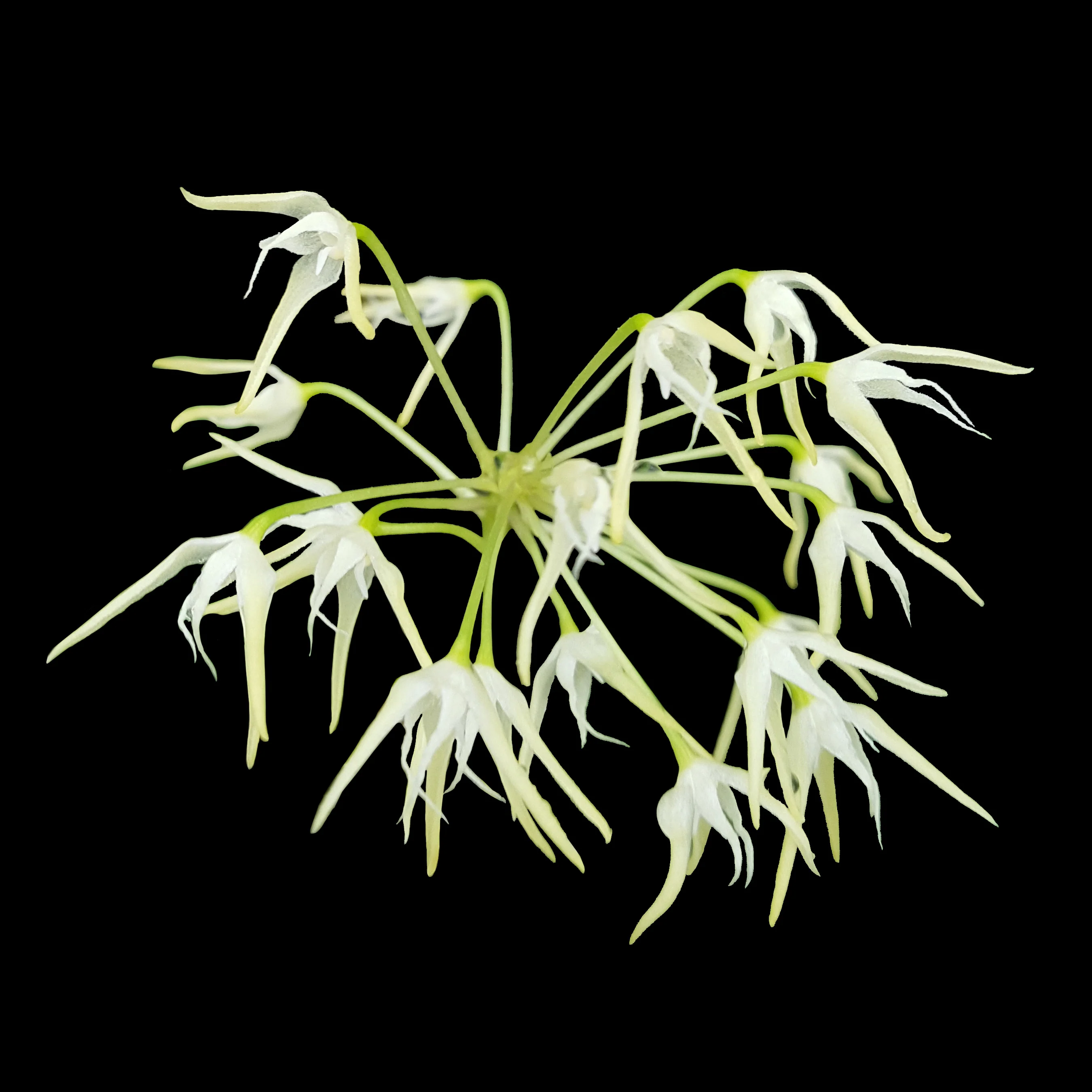
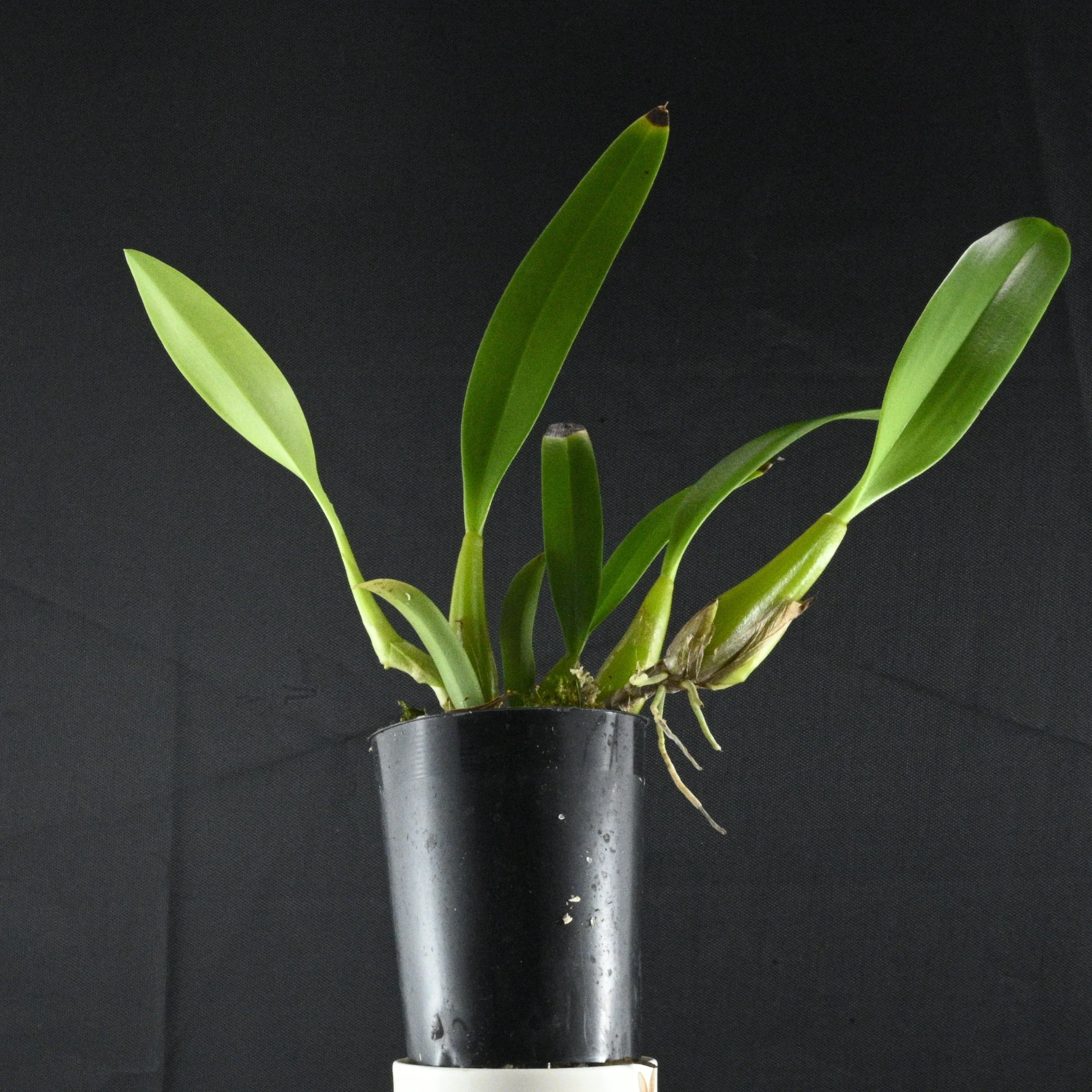
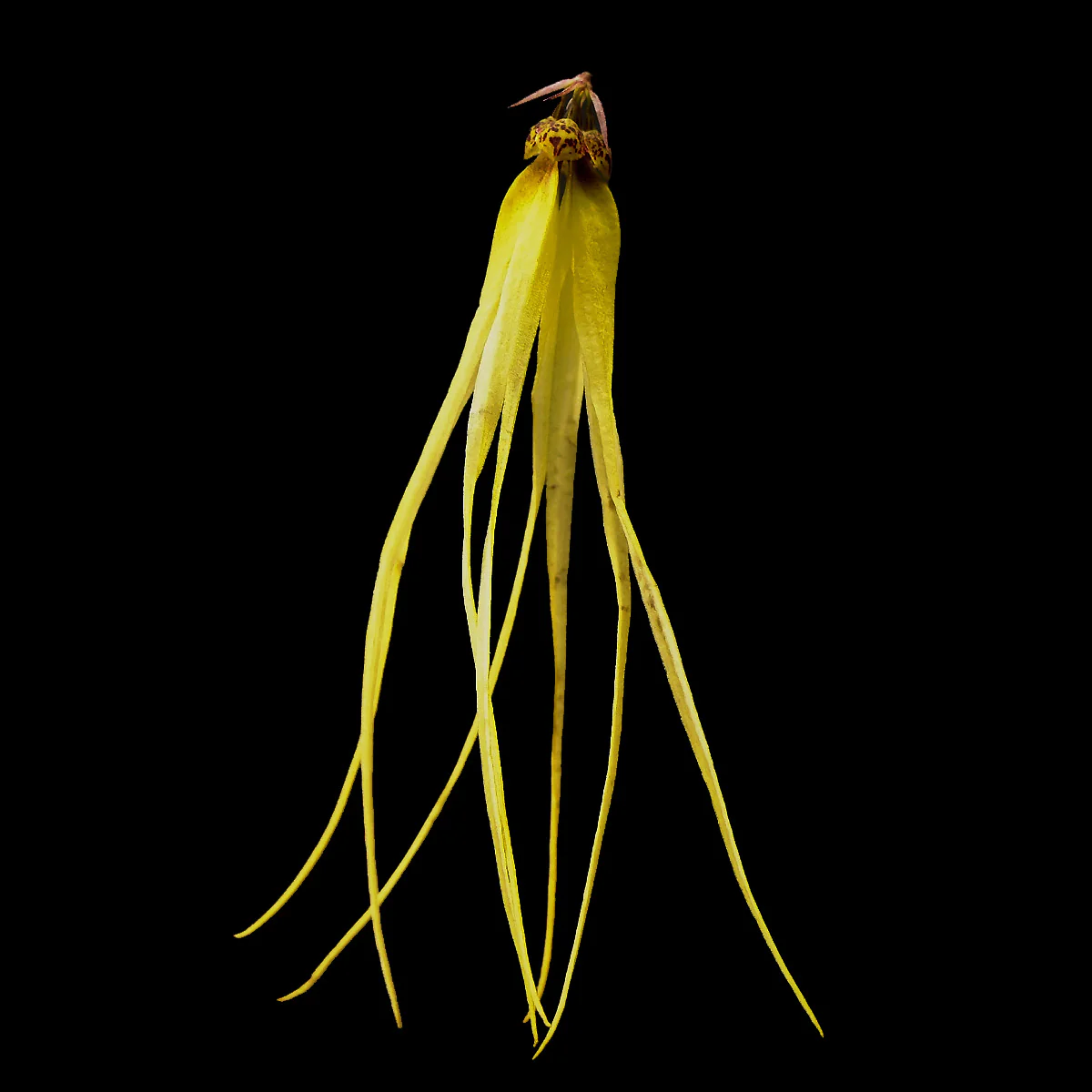
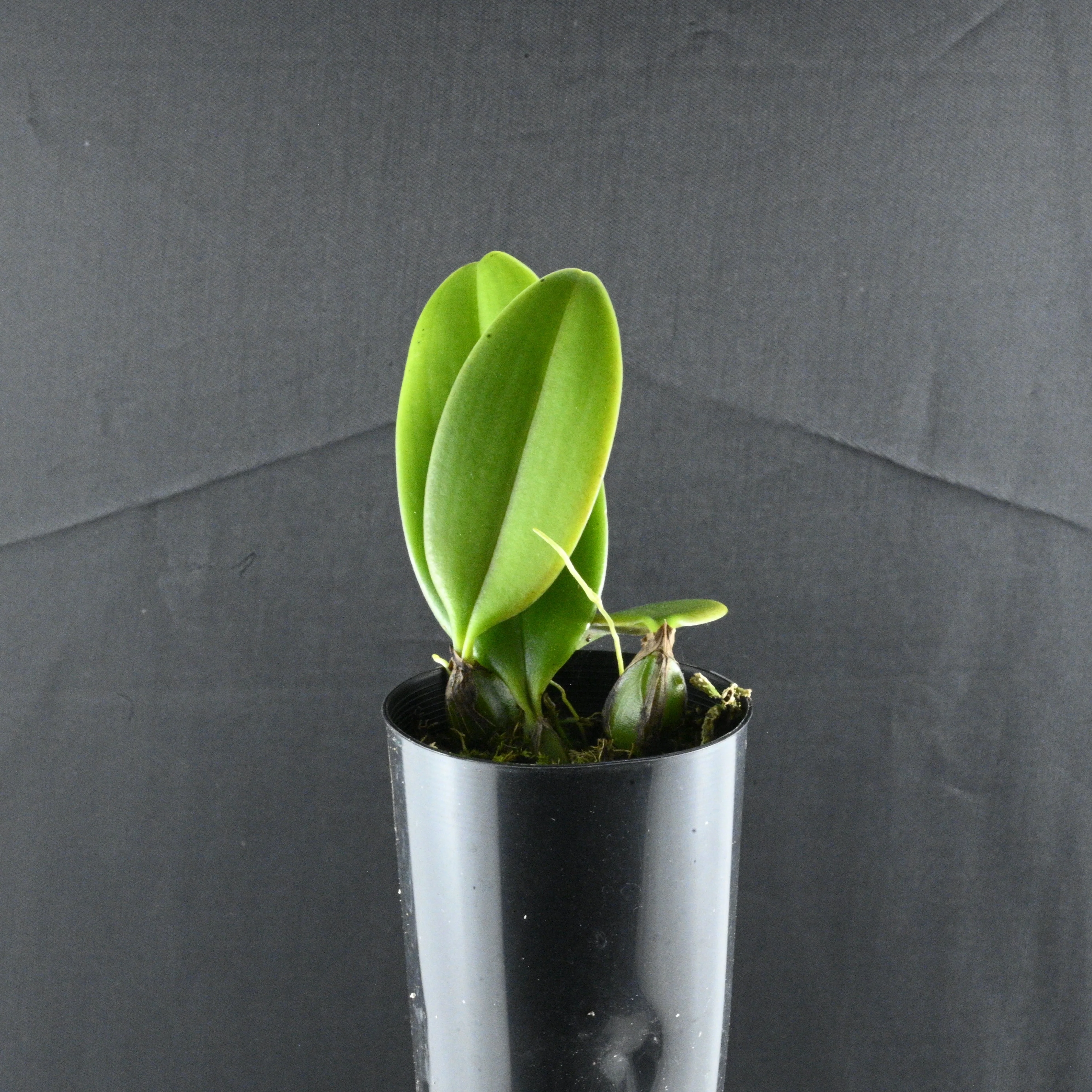
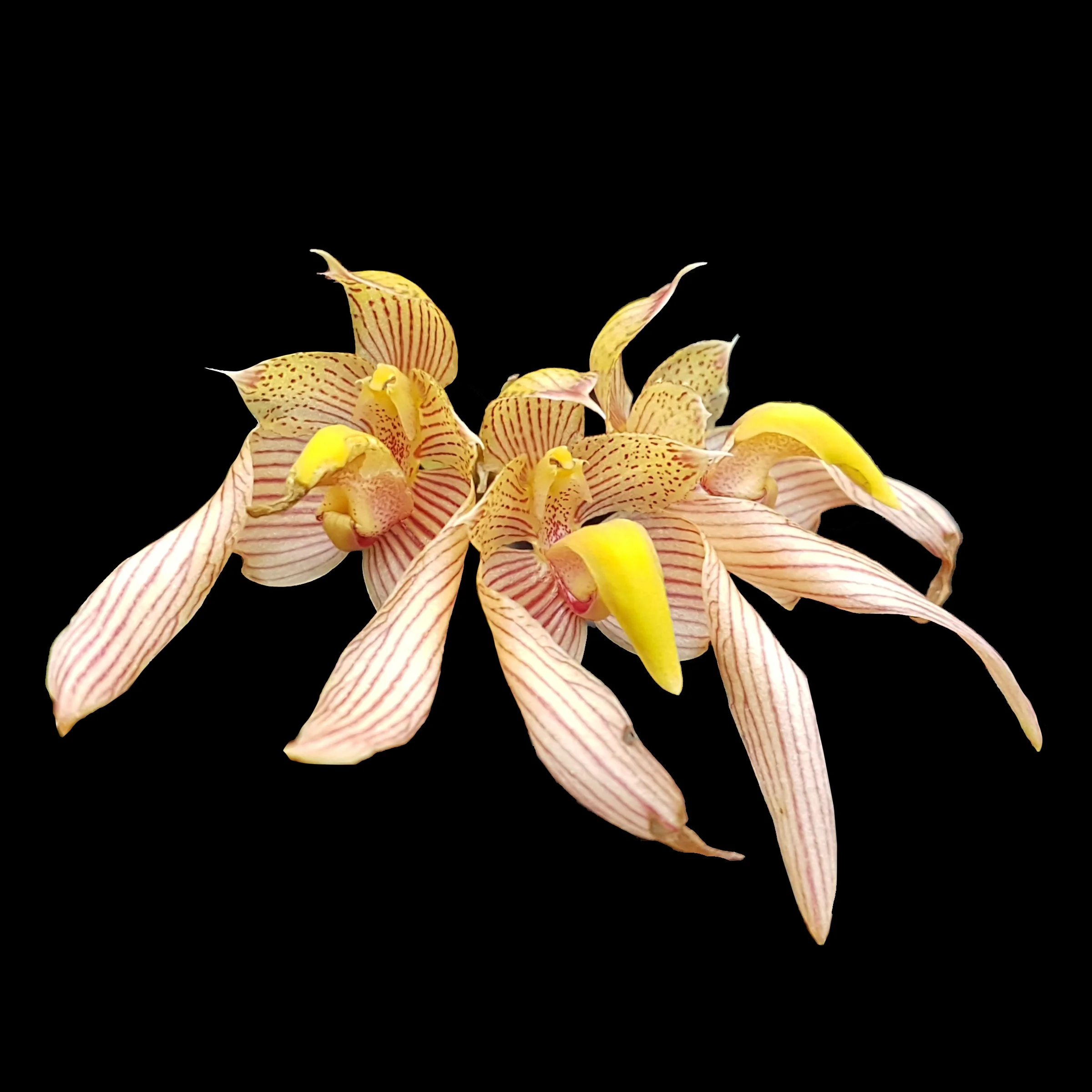
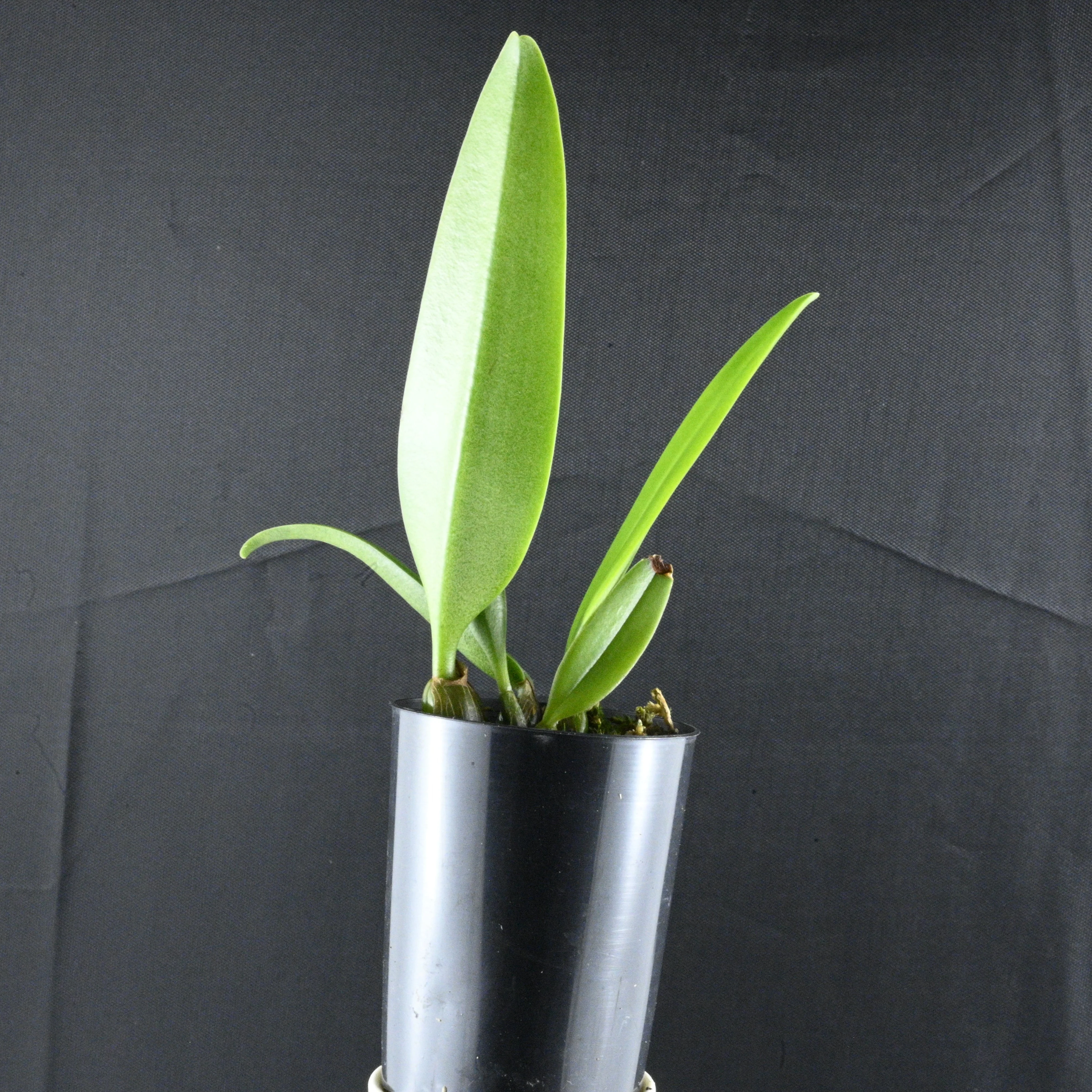
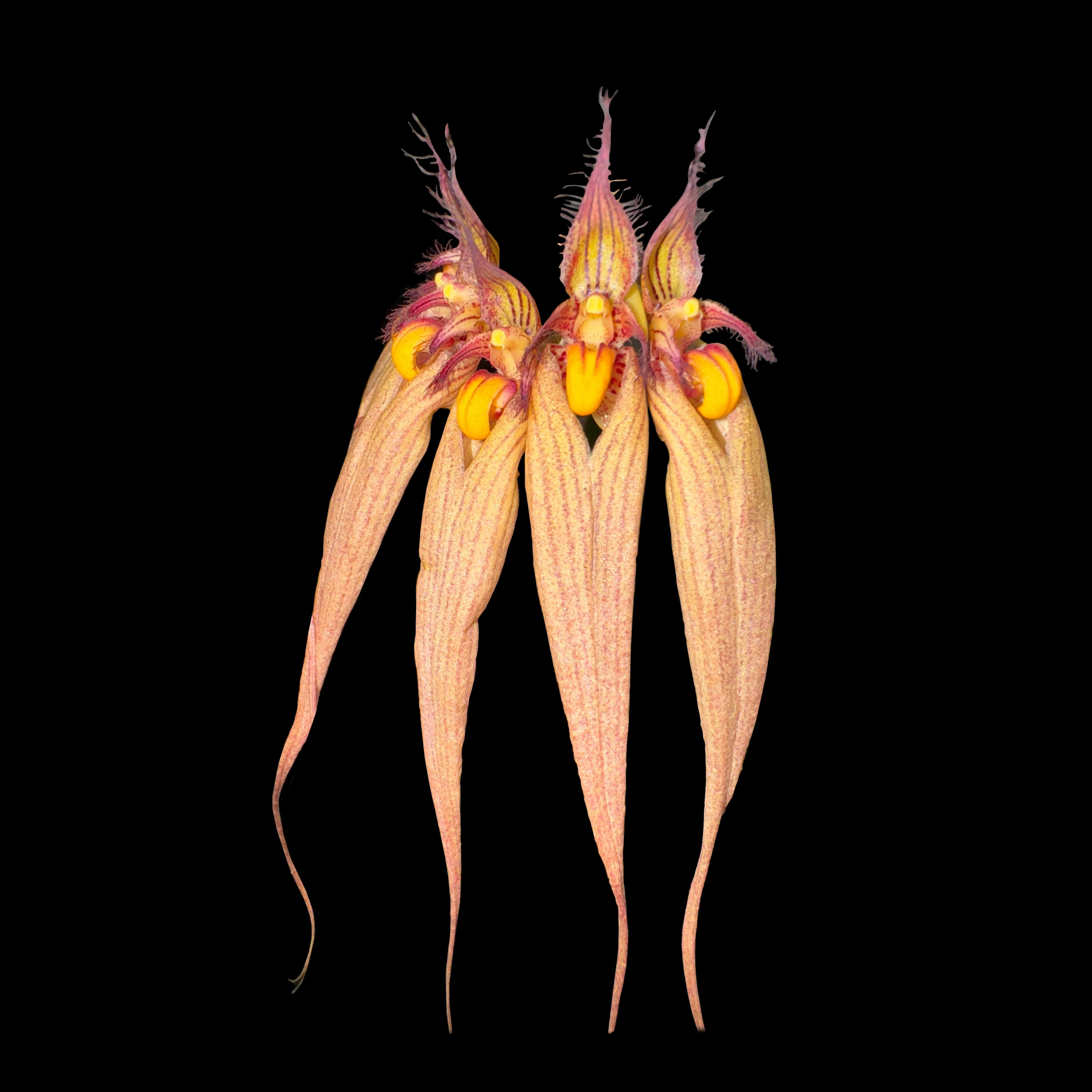
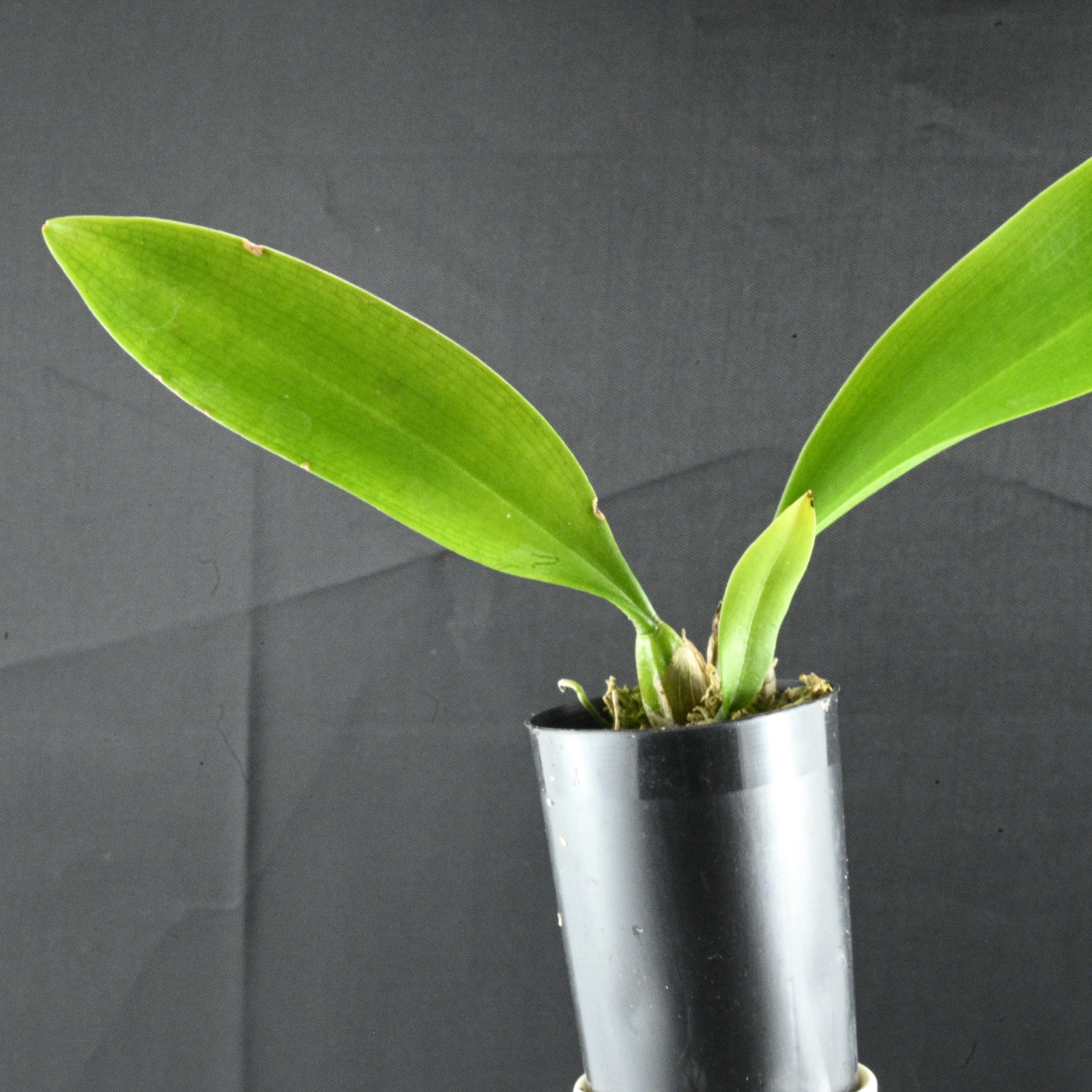
Bulbophyllum Louis Sander is a primary hybrid registered in 1909, created from Bulbophyllum lobbii × Bulbophyllum ornatissimum. It inherits a compact growth habit with small pseudobulbs each bearing a single leaf. Inflorescences emerge from the rhizome and form umbels of several flowers, generally yellow-green in background colour with red or purple spotting from the B. ornatissimum parent. The blooms are larger and more open than those of many clustered Bulbophyllum species, showing influence from B. lobbii. This long-established cross continues to be cultivated by orchid enthusiasts for its historical significance and distinctive floral character.
Distinctive Features
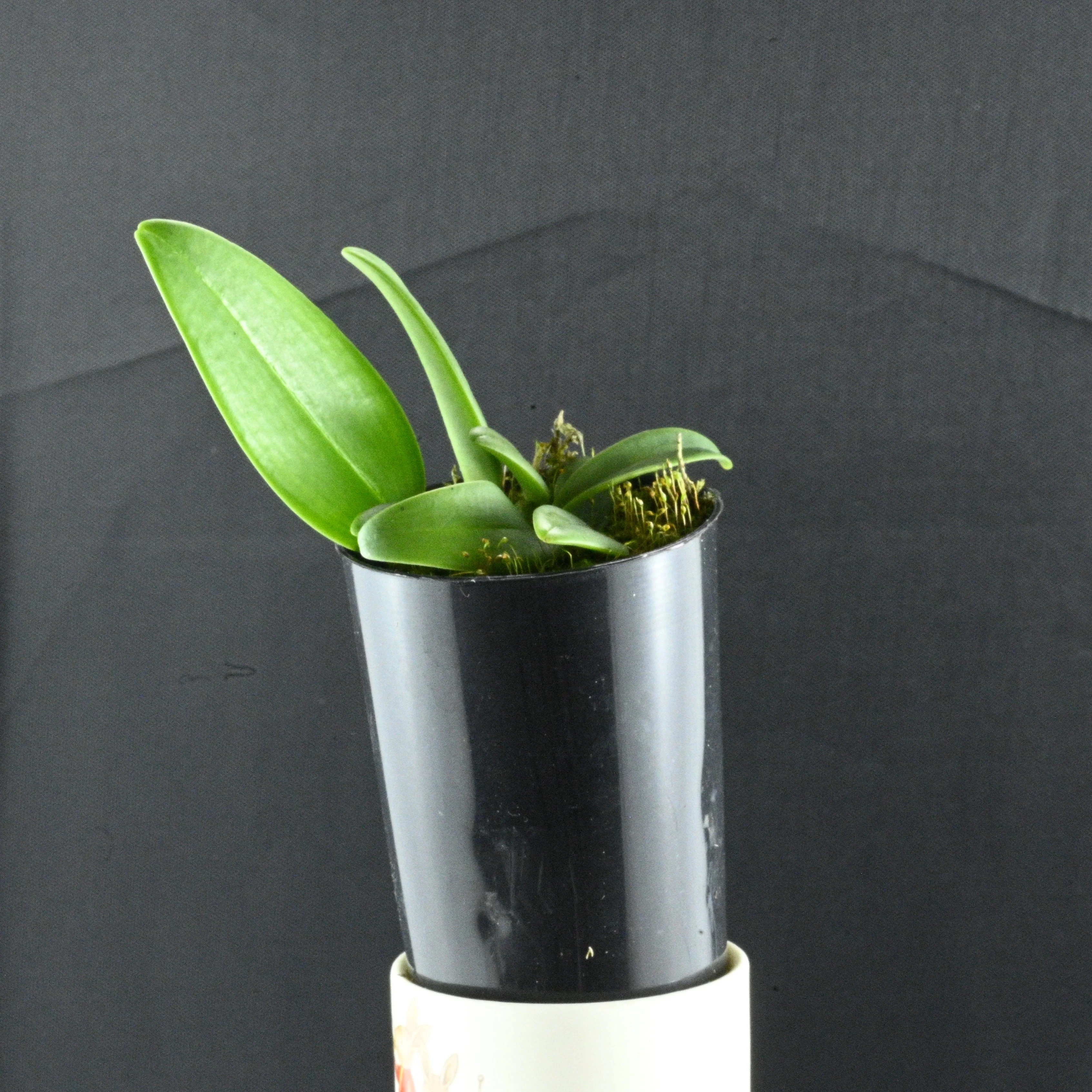
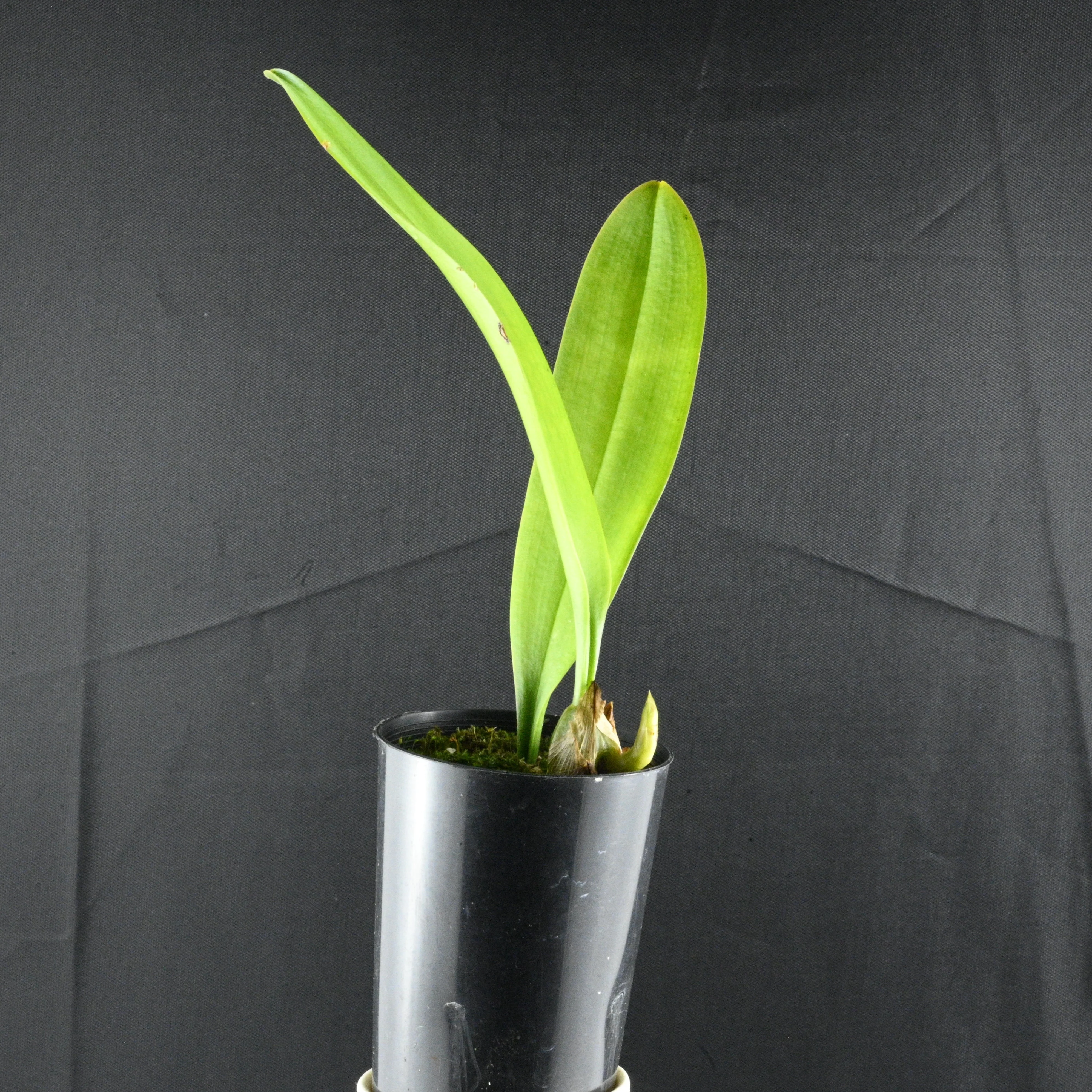
- Pseudobulbs: Slightly flattened, oval-shaped pseudobulbs that are typically 4-6cm long (approximately 1.5-2.5 inches). Each pseudobulb produces a single leaf.
- Leaves: Leathery, dark green leaves that are typically 20-30cm long (approximately 8-12 inches). The leaves have a prominent midrib and a slightly wavy margin.
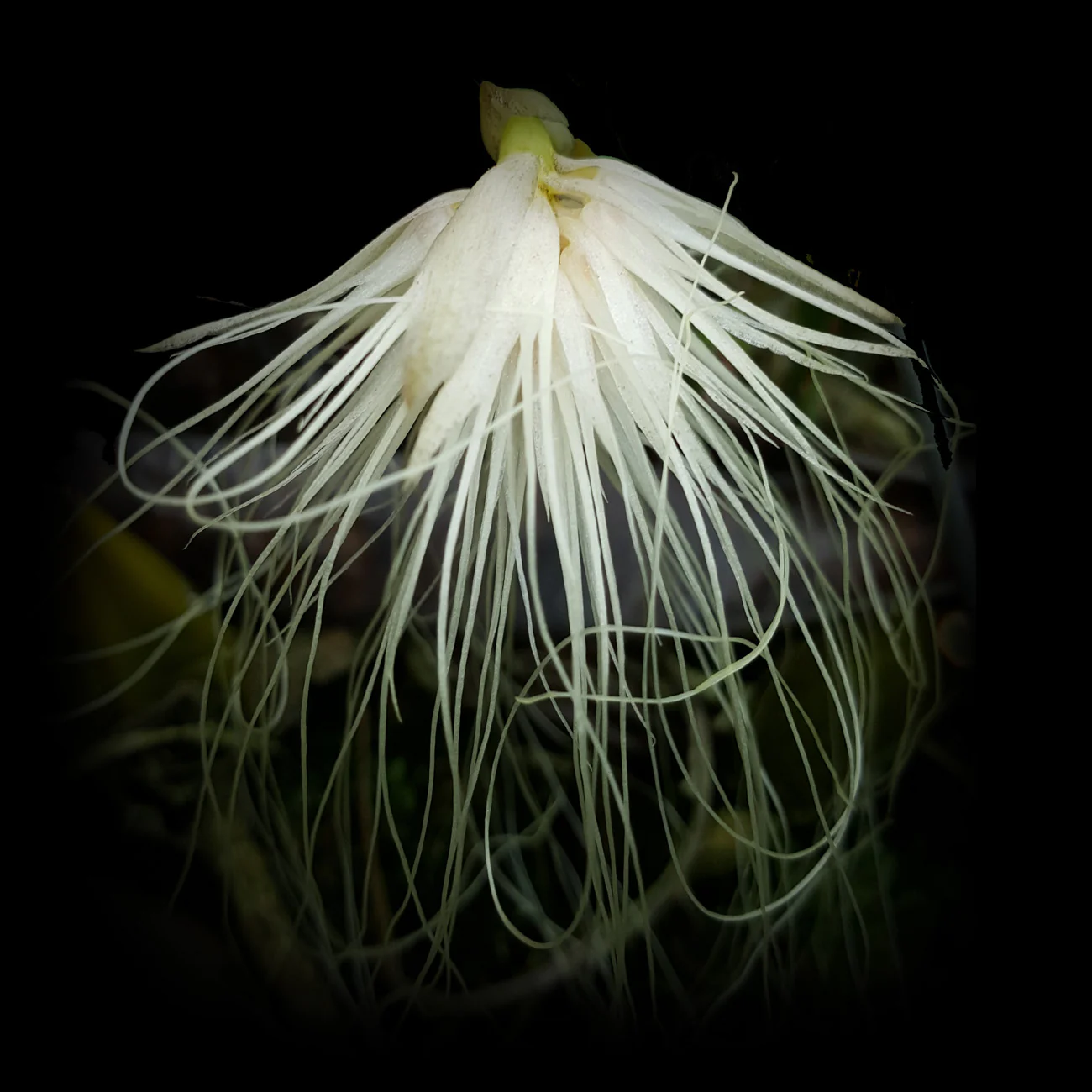
- Flowers: Produces spectacular, pendant flower spikes that can reach up to 60cm in length (approximately 24 inches). The flowers are large, showy, and intricately patterned with a combination of yellow, red, and purple hues. They often have a spicy fragrance.
- Growth Habit: This Bulbophyllum has a sympodial growth habit, meaning it grows horizontally, producing new growths from the base of the previous ones. It is an epiphyte, which means it naturally grows on trees and other surfaces, absorbing moisture and nutrients from the air and rain.
Care Tips
- Light: Bright, indirect light is best. Avoid harsh direct sunlight, which can scorch the leaves. An east- or west-facing windowsill is often ideal.
- Water: Water regularly, allowing the potting mix to dry slightly between waterings. Avoid overwatering, which can lead to root rot. This orchid prefers good humidity, so misting the leaves regularly can be beneficial.
- Air Circulation: Good air circulation is crucial for orchids. Ensure that the plant is not placed in a stagnant or enclosed environment. A light breeze or a position near a fan can be beneficial.
- Temperature: Maintain intermediate to warm temperatures between 18-29°C (65-85°F) for optimal growth. Avoid exposing this orchid to cold draughts or frost.
- Fertiliser: Use a balanced orchid fertiliser at half strength every two weeks during the growing season (spring and summer). Reduce fertilising to once a month during the autumn and winter months.
- Potting: This Bulbophyllum can be grown in pots or mounted on cork bark or tree fern. Use a well-draining orchid potting mix that allows for good air circulation around the roots.
Product Information
Product Information
Shipping & Returns
Shipping & Returns
Description
Bulbophyllum Louis Sander is a primary hybrid registered in 1909, created from Bulbophyllum lobbii × Bulbophyllum ornatissimum. It inherits a compact growth habit with small pseudobulbs each bearing a single leaf. Inflorescences emerge from the rhizome and form umbels of several flowers, generally yellow-green in background colour with red or purple spotting from the B. ornatissimum parent. The blooms are larger and more open than those of many clustered Bulbophyllum species, showing influence from B. lobbii. This long-established cross continues to be cultivated by orchid enthusiasts for its historical significance and distinctive floral character.
Distinctive Features
- Pseudobulbs: Slightly flattened, oval-shaped pseudobulbs that are typically 4-6cm long (approximately 1.5-2.5 inches). Each pseudobulb produces a single leaf.
- Leaves: Leathery, dark green leaves that are typically 20-30cm long (approximately 8-12 inches). The leaves have a prominent midrib and a slightly wavy margin.
- Flowers: Produces spectacular, pendant flower spikes that can reach up to 60cm in length (approximately 24 inches). The flowers are large, showy, and intricately patterned with a combination of yellow, red, and purple hues. They often have a spicy fragrance.
- Growth Habit: This Bulbophyllum has a sympodial growth habit, meaning it grows horizontally, producing new growths from the base of the previous ones. It is an epiphyte, which means it naturally grows on trees and other surfaces, absorbing moisture and nutrients from the air and rain.
Care Tips
- Light: Bright, indirect light is best. Avoid harsh direct sunlight, which can scorch the leaves. An east- or west-facing windowsill is often ideal.
- Water: Water regularly, allowing the potting mix to dry slightly between waterings. Avoid overwatering, which can lead to root rot. This orchid prefers good humidity, so misting the leaves regularly can be beneficial.
- Air Circulation: Good air circulation is crucial for orchids. Ensure that the plant is not placed in a stagnant or enclosed environment. A light breeze or a position near a fan can be beneficial.
- Temperature: Maintain intermediate to warm temperatures between 18-29°C (65-85°F) for optimal growth. Avoid exposing this orchid to cold draughts or frost.
- Fertiliser: Use a balanced orchid fertiliser at half strength every two weeks during the growing season (spring and summer). Reduce fertilising to once a month during the autumn and winter months.
- Potting: This Bulbophyllum can be grown in pots or mounted on cork bark or tree fern. Use a well-draining orchid potting mix that allows for good air circulation around the roots.